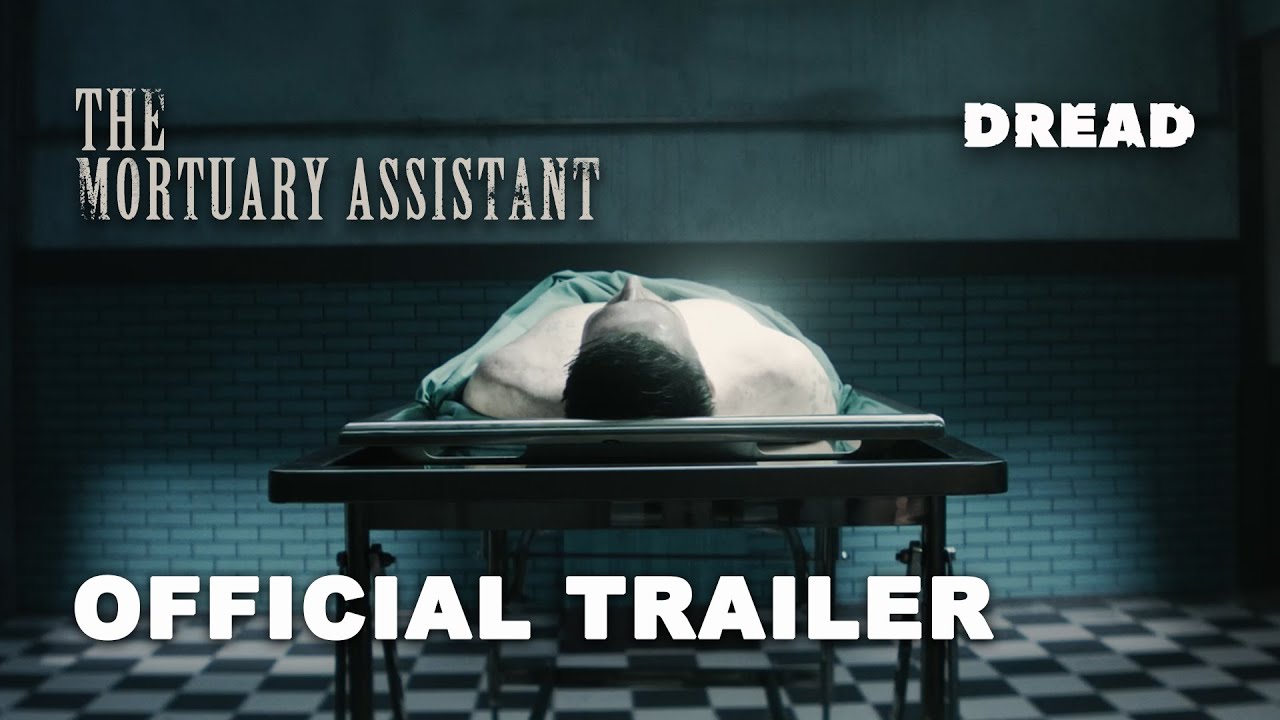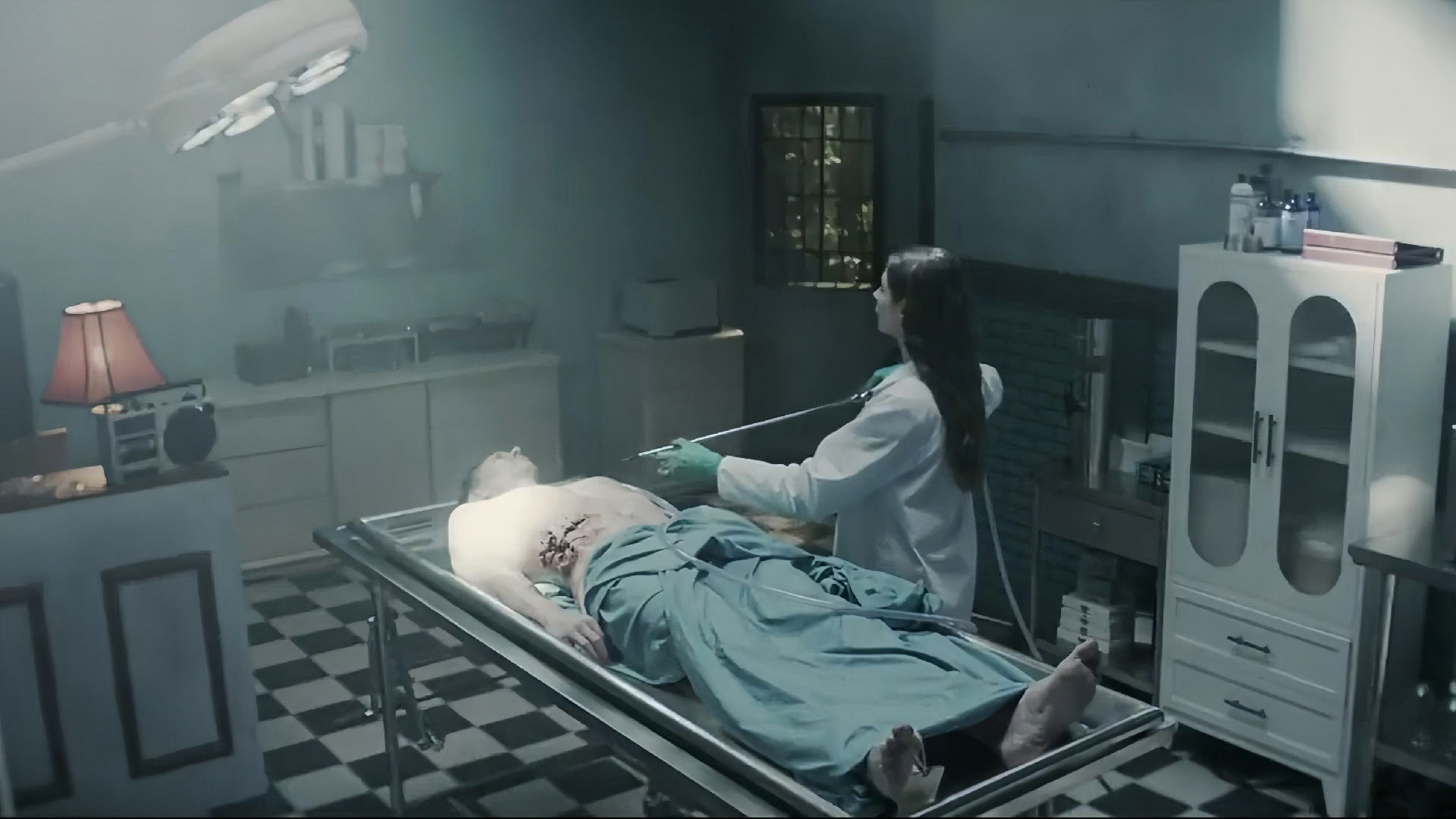
If you’re even remotely interested in horror that actually has something to say, The Mortuary Assistant is shaping up to be one of those films that’ll stick with you long after the credits roll. Directed by Jeremiah Kipp, this adaptation is set to release on February 13, 2026, and honestly? The premise alone is enough to get people talking. We’re looking at a film centered on a mortuary science graduate who takes what seems like a straightforward night job at River Fields Mortuary—except, well, nothing stays routine for long.
The sinister elements begin creeping in, and what we’re anticipating is a thoughtful exploration of grief, isolation, and psychological unraveling wrapped in genuine horror.
What’s particularly exciting about this project is the creative team assembled to bring it to life.
- Jeremiah Kipp directing a property with this kind of atmospheric potential
- Willa Holland anchoring the film as the protagonist, bringing her nuanced approach to character work
- Paul Sparks and Mark Steger rounding out the cast with their distinctive presences
- The production backing from Dread, Traverse Media, and Epic Pictures Group—studios that have consistently championed genre cinema that respects its audience
The fact that The Mortuary Assistant is coming to Shudder (streaming from March 27) signals something important about where horror is thriving right now. This isn’t a theatrical tentpole trying to appeal to everyone; it’s a focused, purposeful horror film finding its home on a platform that actually gets the genre.
Here’s what makes this particularly significant: The mortuary setting itself is inherently cinematic—it’s a liminal space where the living interact with death, where professional detachment meets emotional weight. That’s fertile ground for psychological horror.
Willa Holland has always excelled at playing characters caught between vulnerability and resourcefulness, which seems perfectly calibrated for someone working alone through the night in a place designed to house the dead. Her ability to convey internal conflict through subtle shifts in expression—rather than big dramatic moments—is exactly what this kind of story needs. You’re not looking for someone to scream effectively; you’re looking for someone to slowly, convincingly lose their grip on what’s real.
Paul Sparks brings an unsettling intensity to everything he touches. Even in smaller roles, he commands attention and creates a sense that something’s fundamentally off. Mark Steger, meanwhile, has become known for physically transformative performances that make you deeply uncomfortable—which suggests there’s likely something more than standard jump-scare horror happening here.
The broader context here is worth considering. Horror cinema in the mid-2020s is increasingly interested in atmospheric dread over conventional scares.
- Audiences are craving stories that use genre conventions to explore deeper anxieties—about isolation, mortality, meaning
- Streaming platforms have become surprisingly sophisticated curators of horror, willing to greenlight films that take narrative risks
- Adaptations of games and lesser-known properties are becoming sources of genuinely original ideas
- Directors like Kipp are using the format to craft something that feels both intimate and expansive
The Mortuary Assistant arrives with no preconceived notions burdening it (despite coming from a game, most casual filmgoers won’t have strong expectations), which means Kipp has room to sculpt something genuinely unsettling without fighting against preexisting fandom baggage.
What’s also worth noting: the film is scheduled for a February 13, 2026 theatrical window before heading to Shudder. There’s something almost bold about releasing a psychological horror film in February—it’s the dumping ground season for a lot of studios, yet it’s also when audiences are genuinely hungry for the kind of intimate terror that thrives on smaller screens in darkened theaters before transitioning to the home viewing experience.
The 0.0/10 rating currently attached to the film on IMDb essentially means nothing at this point—it’s a Coming Soon entry with zero votes. What matters is what the production itself is signaling about ambition and intent.
Here’s what genuinely excites me about this project:
- The setting offers natural metaphorical richness that horror too often ignores
- The cast suggests character-driven storytelling rather than spectacle-driven narrative
- The release strategy indicates confidence in the material’s strength
- The genre moment we’re in prioritizes psychological unease over technical wizardry
- The director’s vision has room to expand beyond typical studio constraints
When The Mortuary Assistant arrives in February 2026, it’ll likely spark conversations about grief representation in horror, about how we process mortality, and about the psychological cost of working in spaces designed to handle death. That’s the kind of cinema that matters—not because it’s technically brilliant or financially successful, but because it uses the tools of horror to ask questions about what it means to be alive and afraid.
This is a film worth paying attention to.