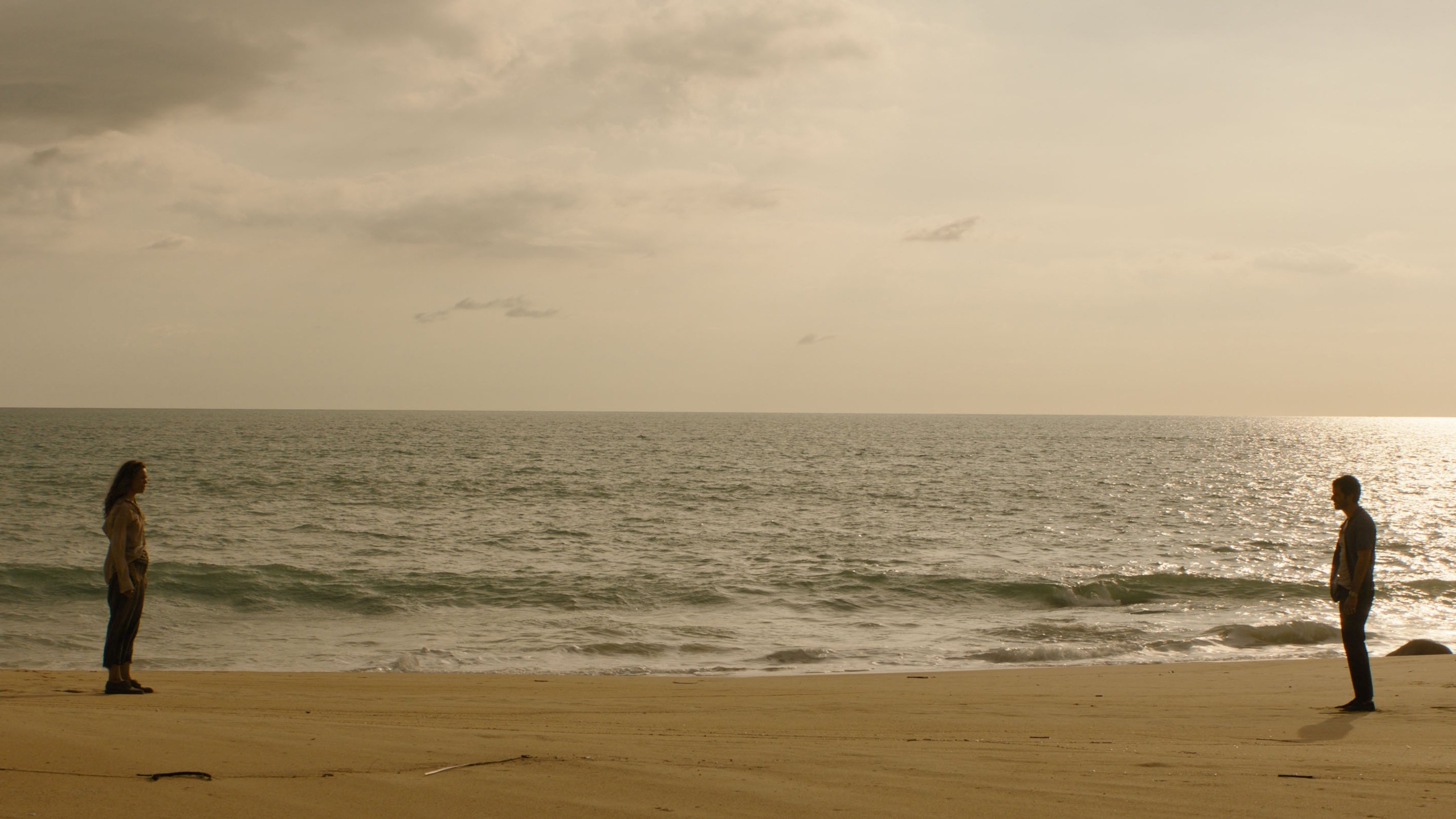
You know, there’s something genuinely refreshing about Sam Raimi deciding to return to his roots with Send Help, the survival thriller that’s set to release on January 22, 2026. After years of big-budget spectacle, watching him dive into what’s essentially a two-character pressure cooker feels like seeing a master craftsman pick up tools he hasn’t used in a while. The premise itself is deceptively simple—two colleagues stranded on a deserted island after a plane crash—but in Raimi’s hands, it becomes something far more psychologically complex than your typical survival narrative.
The real intrigue here lies in what this film is asking thematically. That killer tagline, “Meet Linda Liddle… She’s from strategy and planning. She’s the boss now,” hints at something deeper than just physical survival. There’s a power dynamic at play, a corporate hierarchy literally crashing into irrelevance when the trappings of civilization disappear. Rachel McAdams, playing what we can assume is Linda, brings a particular intensity to roles where competence meets desperation. And Dylan O’Brien, alongside Edyll Ismail, will be navigating that claustrophobic tension that emerges when two people are forced to confront not just the elements, but each other.
What makes this collaboration worth anticipating:
- Sam Raimi’s stylistic vision applied to intimate, character-driven horror rather than universe-spanning epics
- Rachel McAdams’ track record with complex, psychologically nuanced roles that require sustained tension
- Dylan O’Brien’s capability for portraying vulnerability without sacrificing tension
- A focused narrative that strips away everything except human conflict and survival instinct
The production combines the creative forces of Raimi Productions, 20th Century Studios, and TSG Entertainment—a power trio that suggests genuine ambition backing this project. This isn’t some throwaway survival thriller; these are studios and creators with skin in the game.
There’s also something notably brave about Raimi’s approach to Send Help at this particular moment in cinema. The film is being released in 3D, which frankly, feels like a deliberate choice rather than a gimmick. In the hands of a director known for spatial awareness and visual storytelling, that adds another dimension—literally—to the claustrophobic and expansive moments these characters will experience. Whether they’re navigating dense jungle or vast open ocean, that immersive quality could serve the material in unexpected ways.
The early ratings sitting at 6.0/10 from initial viewings are interesting to consider. Rather than suggesting a failure, this might indicate exactly what you’d expect from a film that refuses easy answers or comfortable resolutions. Raimi has never been interested in pleasing everyone, and a survival thriller with genuine stakes and moral complexity isn’t designed to be universally beloved—it’s designed to provoke conversation. That’s where the real impact lives.
Here’s what’s particularly compelling about the creative vision at work:
- Character-focused horror that relies on performance and psychology over jump scares
- Island isolation as both literal setting and metaphor for corporate dynamics breaking down
- Two-actor ensemble creating sustained tension through forced proximity and conflicting agendas
- Raimi’s stylistic flourishes applied to intimate human drama
The cast assembled here suggests thoughtful choices. Rachel McAdams has demonstrated in films like Doctor Strange and Sherlock Holmes that she can anchor scenes with intelligence and barely-contained urgency. Dylan O’Brien, particularly in his work with the Maze Runner franchise, has proven his ability to convey desperation and determination in equal measure. And Edyll Ismail, while perhaps less immediately recognizable, is an actor who brings presence to every scene. The chemistry between these performers, forged across nearly two hours of runtime, will be absolutely crucial to whether this film lands.
What matters most about Send Help is that it represents a filmmaker of genuine stature choosing to work small, choosing constraint, choosing to explore human conflict in its most primal form. That’s a statement about artistic priorities.
The broader significance here connects to something that’s been missing from contemporary cinema. We’ve become so accustomed to expansive narratives, ensemble casts, and interconnected universes that there’s something almost transgressive about a 113-minute film with three actors, one location, and a simple premise.
Raimi, of all people, making a film about people learning to work together despite past grievances feels almost like a statement. This is a director who built his early reputation on inventiveness within limitation, and at this stage in his career, returning to that philosophy is genuinely compelling.
When Send Help lands on January 22, 2026, it will arrive as neither prestige drama nor pure entertainment spectacle—it’ll exist in that rarer space where genuine artistry meets genre expectations. The question isn’t whether everyone will love it.
The question is whether it will spark the conversations that actually matter in cinema, the ones about power, survival, humanity under pressure, and what we owe to each other when everything else falls away. That’s where real impact lives, and that’s worth anticipating.