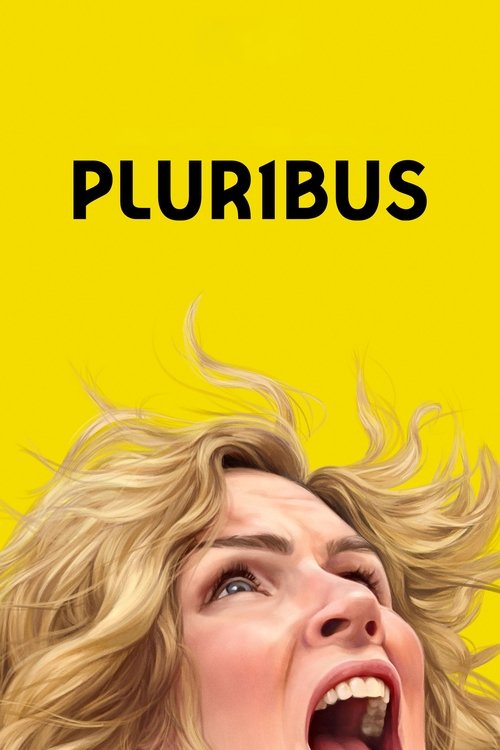
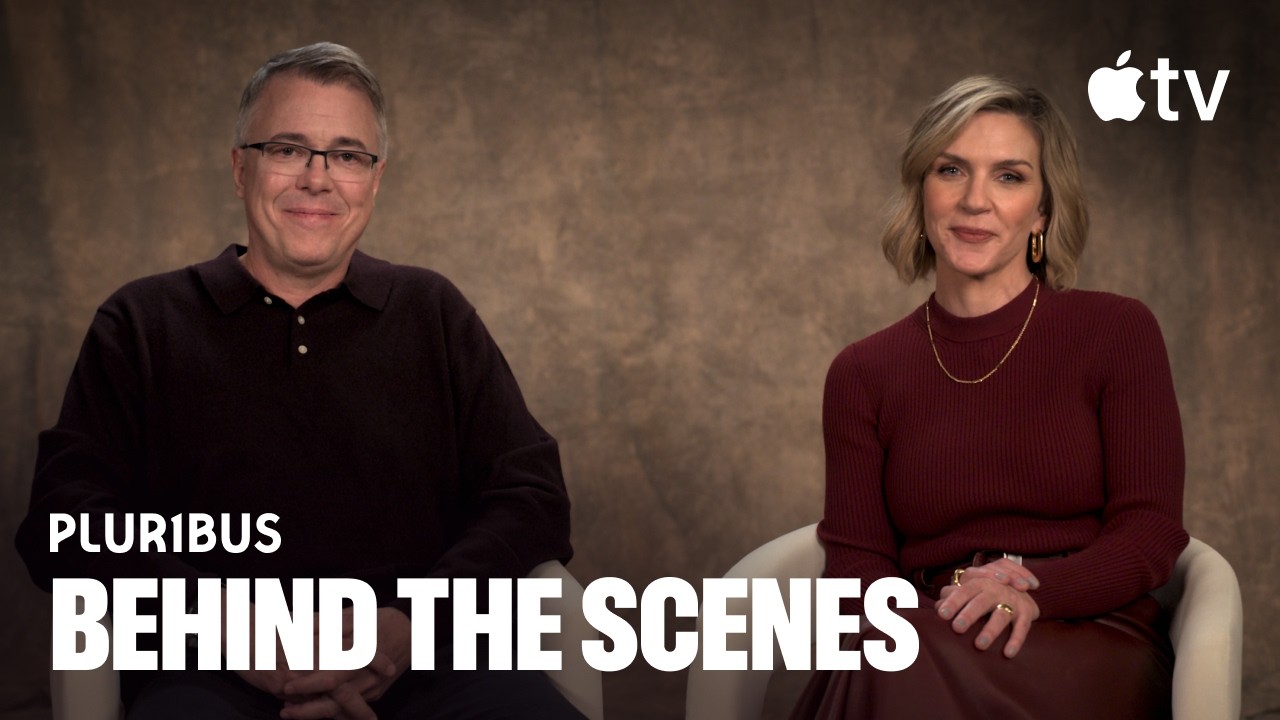
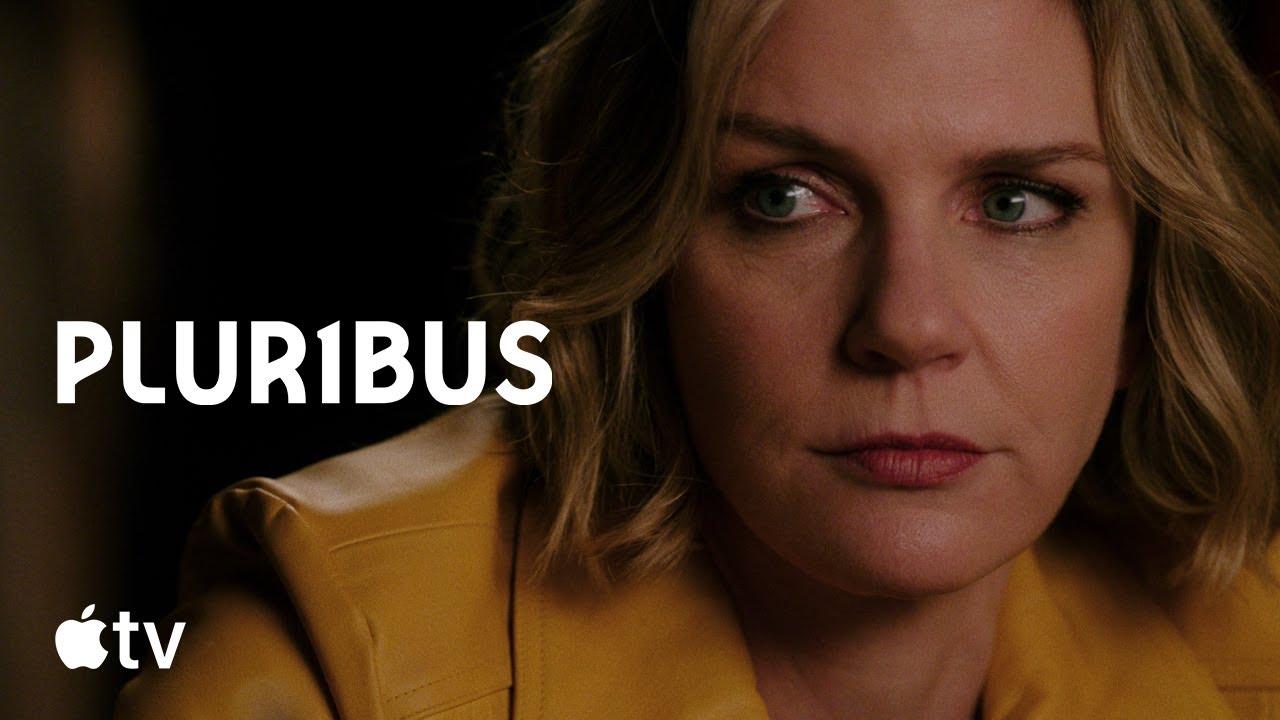
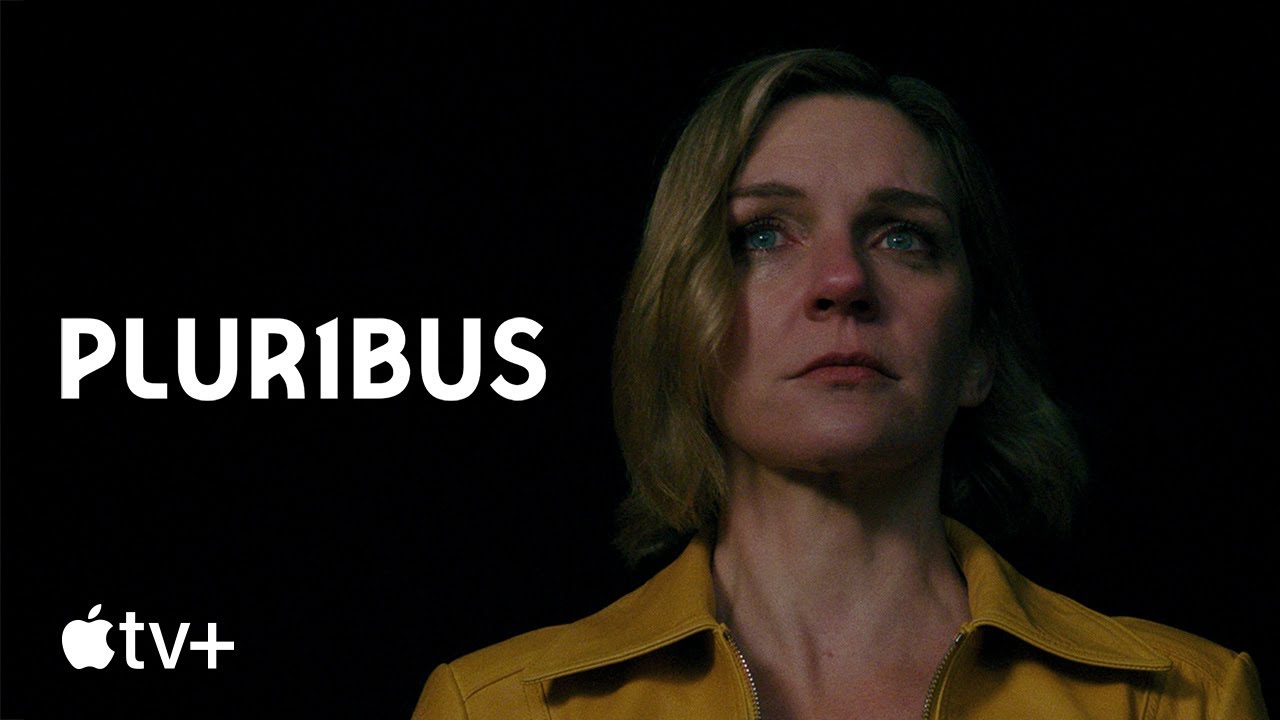
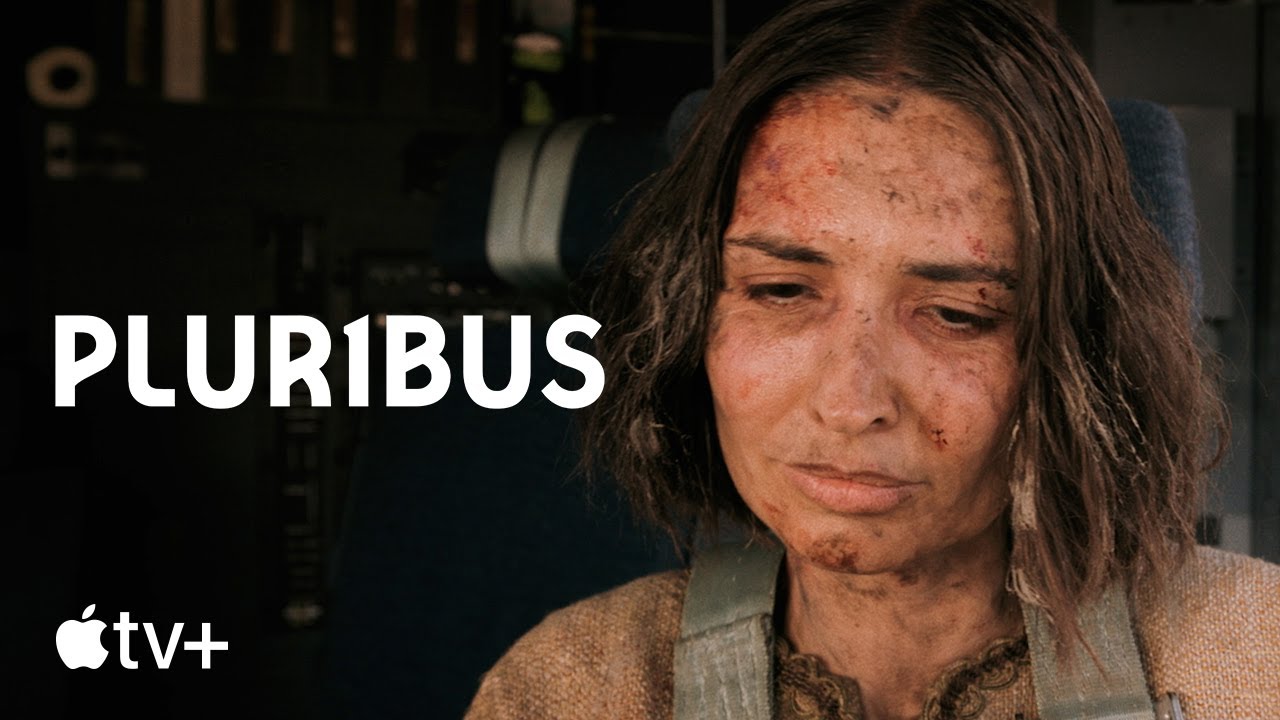
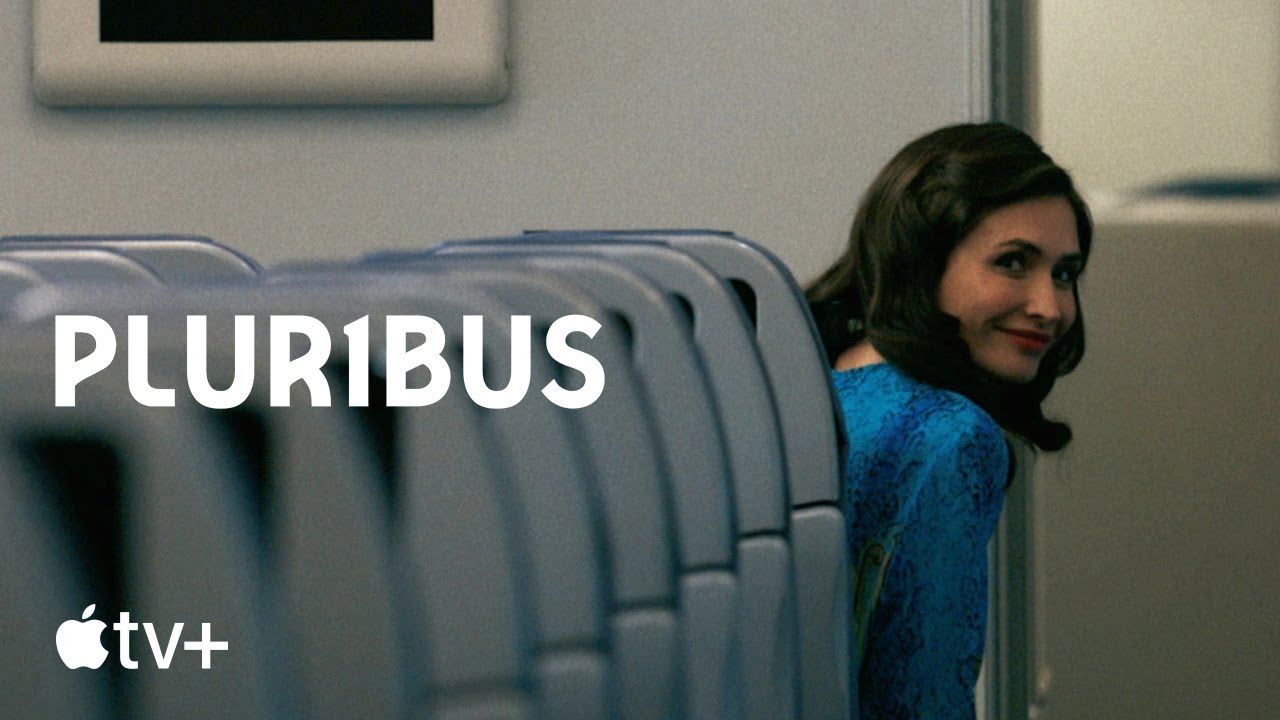
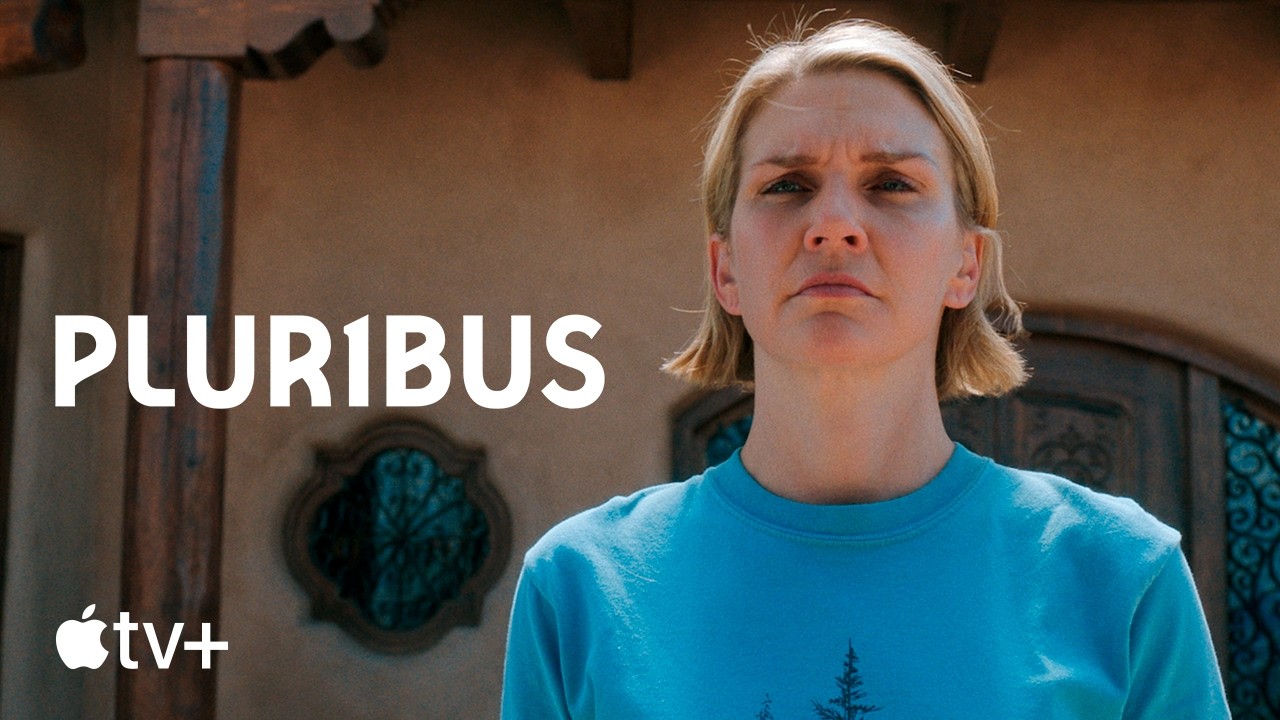
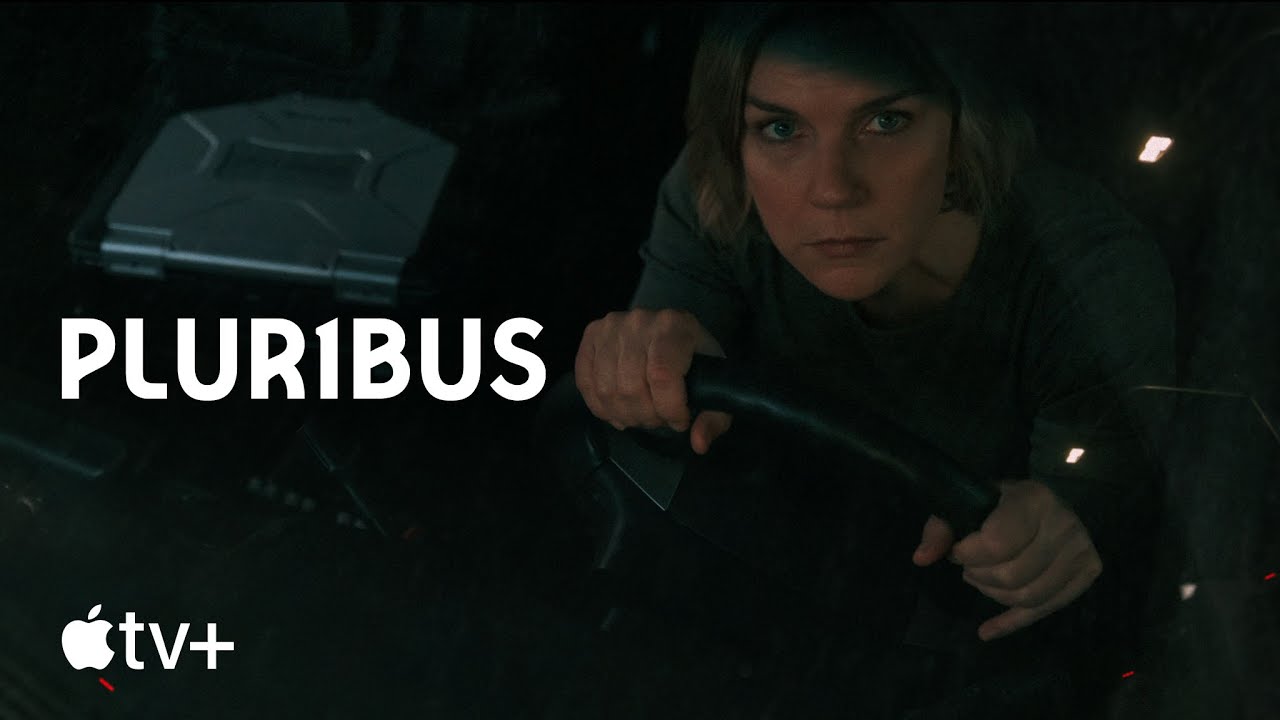
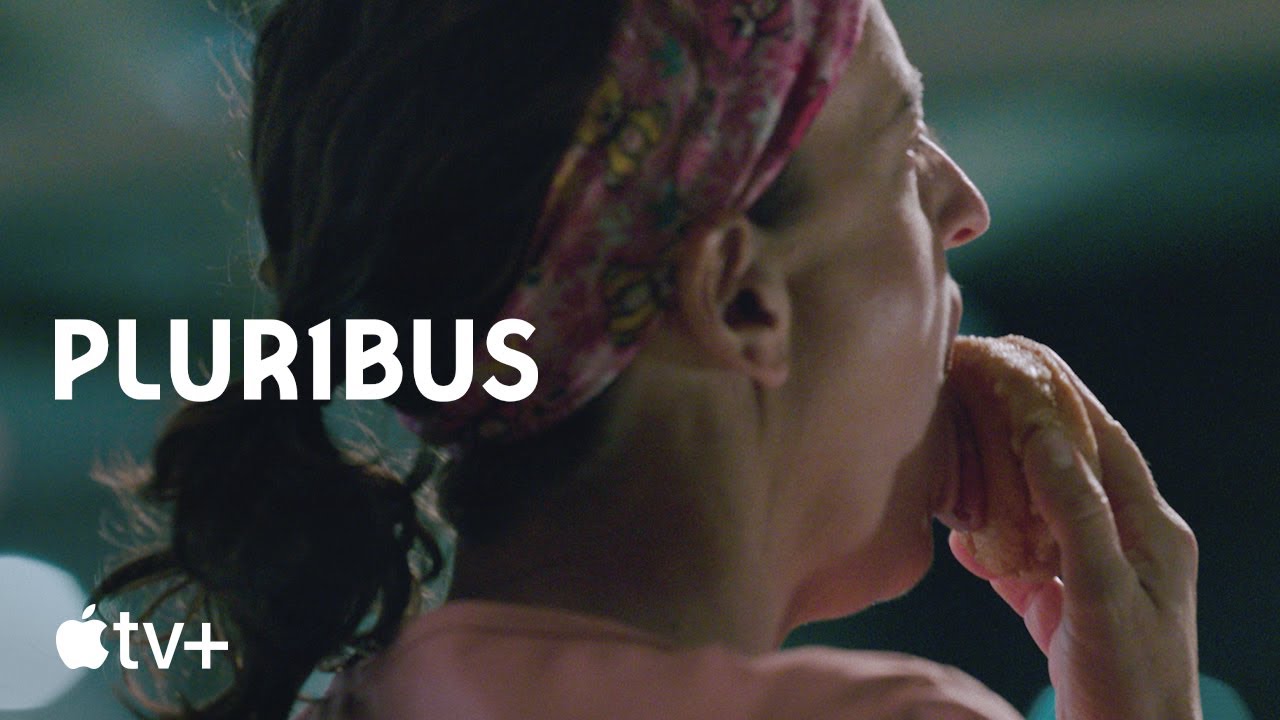
When Vince Gilligan’s Pluribus premiered on Apple TV in November 2025, it arrived with the kind of quiet confidence that only comes from a creator who’s already proven themselves—and then some. After the cultural juggernaut that was Breaking Bad and the assured excellence of Better Call Saul, Gilligan stepping into the sci-fi arena felt significant. But what unfolded across those nine episodes was something that transcended typical prestige television: it became a phenomenon that reminded us why we fell in love with long-form storytelling in the first place.
This wasn’t just another prestige drama from a celebrated creator—it was Gilligan operating at the intersection of intimate character work and expansive world-building, creating something that felt both deeply personal and genuinely epochal.
The show’s initial 9.1/10 rating on IMDb speaks to something remarkable. While those scores do fluctuate (it’s currently holding at a solid 8.0/10), the consistency of critical praise tells the real story. What’s particularly striking is that Pluribus achieved a 100% critic score across its eight screened episodes—a rare feat in today’s fractured media landscape where consensus has become nearly impossible to achieve. This wasn’t critics being polite about a streaming original; this was genuine, across-the-board validation of what Gilligan had crafted.
The premise itself—though I’m being deliberately cagey about specifics to preserve the discovery—uses science fiction as a vehicle to explore something far more human than the genre typically allows. Gilligan has always understood that the best speculative storytelling isn’t about the spectacle; it’s about what the extraordinary reveals about the ordinary. Pluribus doubled down on this philosophy with a structure that allowed for sustained character development without sacrificing narrative momentum.
- Stripped-down episodic approach: Each episode clocked at an unknown runtime, which actually became a storytelling strength—Gilligan refused to be boxed into traditional episode lengths
- Nine-episode first season: Lean enough to maintain tension, substantial enough to establish a fully realized world
- Ensemble cast dynamics: The show built its foundation on relationships that felt earned, not expedited
- Philosophical depth beneath surface tension: The real horror, wonder, and stakes existed in character choices, not just plot mechanics
What’s particularly fascinating is how Pluribus captured the zeitgeist in ways that caught even seasoned television observers off-guard. When it debuted, the cultural moment felt primed for exactly this kind of story—one that asked uncomfortable questions about identity, autonomy, and what we owe to each other. The show didn’t preach; it trusted the audience to sit with moral ambiguity and draw their own conclusions. In an era of increasingly didactic storytelling, that restraint felt radical.
The show’s journey from premiere to its current status as a Returning Series speaks volumes. It’s the most-watched show in Apple TV history, which represents a genuine sea change in how audiences are engaging with the platform. This wasn’t success by streaming standards (which often means “didn’t get canceled immediately”); this was genuine, undeniable cultural momentum. The fact that Pluribus found itself competing in the same conversation as Stranger Things in the streaming ratings—a show with a massive existing fanbase and nostalgic infrastructure—suggested that Gilligan had tapped into something universally compelling.
The episodes that aired weekly through the end of November created a kind of water-cooler effect that felt nostalgic and contemporary simultaneously—people were actually waiting to discuss what they’d seen, rather than binging and moving on.
The creative achievement here deserves to be dissected carefully. Gilligan’s approach with Pluribus was notably different from his previous work—less about the meticulous construction of criminal enterprise (Breaking Bad) and less about the sardonic unpacking of institutional systems (Better Call Saul). Instead, Pluribus felt like Gilligan asking: What if the most important drama exists in the spaces between what we can see and what we can know? The unknown runtime actually facilitated this beautifully. Rather than padding scenes or cutting them short to fit predetermined lengths, episodes breathed according to emotional and narrative necessity.
The first season’s nine-episode run proved that this was Gilligan operating without the constraints that had shaped his previous television work. Network television rhythms, cable drama pacing—Pluribus moved to its own logic, which meant some moments lingered where you expected them to snap forward, and vice versa. This rhythmic unpredictability became part of the show’s DNA, keeping audiences genuinely uncertain about what would happen next.
- The philosophical weight of the premise: Beyond the surface narrative, the show grappled with questions of consciousness and singularity
- Character specificity in a high-concept setting: Where many sci-fi shows prioritize world explanation, Pluribus prioritized emotional truth
- Technical confidence in execution: Every element—cinematography, sound design, performance—felt calibrated with precision
- Willingness to end on ambiguity: The season finale didn’t wrap up with the false comfort of resolution; it opened doors instead
Now, with a second season confirmed, the question becomes: Can Gilligan sustain what he’s built? The answer, frankly, feels less uncertain than it might for another show at this juncture. This is a creator who has consistently proven that he understands how to deepen thematic concerns across multiple seasons without repeating himself. Pluribus doesn’t feel like a one-note concept stretched thin; it feels like the beginning of something genuinely vast.
The cultural footprint is still being written, but what’s clear is that Pluribus has earned its place in the conversation about what prestige television can achieve in 2025 and beyond. It’s a show that trusted its audience, trusted its creator, and trusted that great storytelling still matters—even in an era of algorithmic recommendations and infinite content. That’s something worth celebrating.