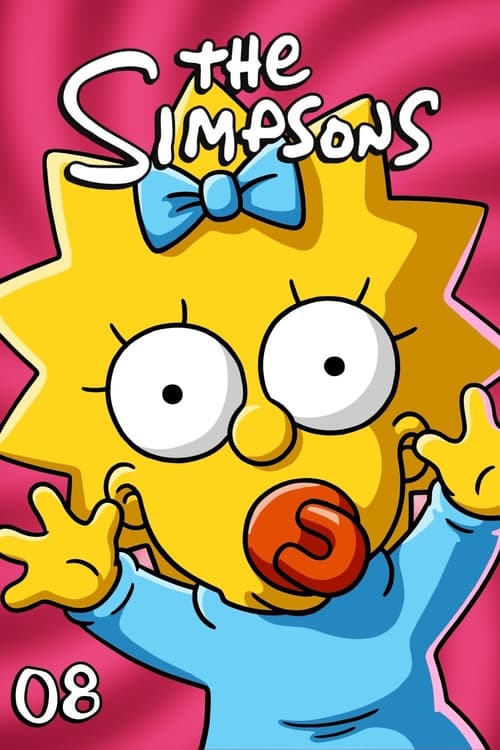
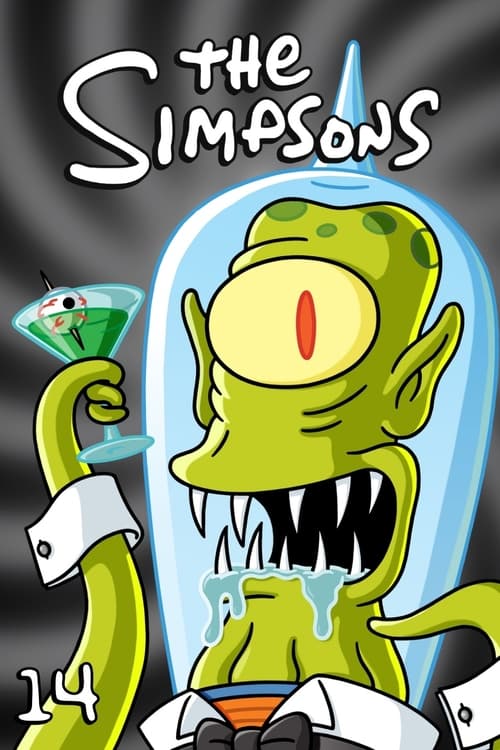
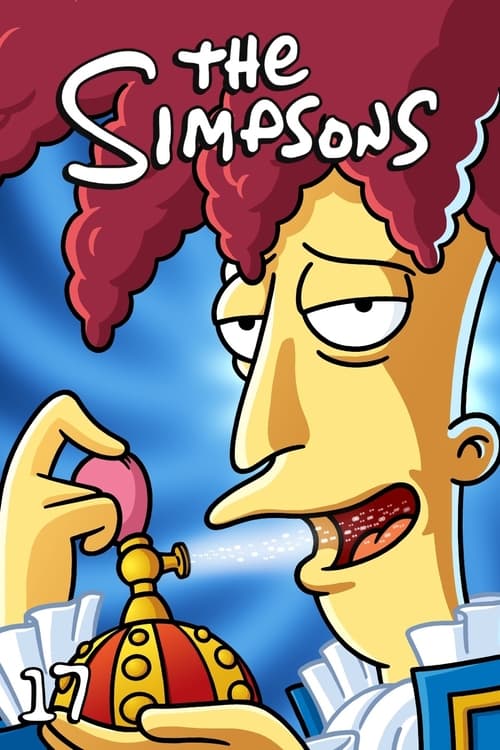
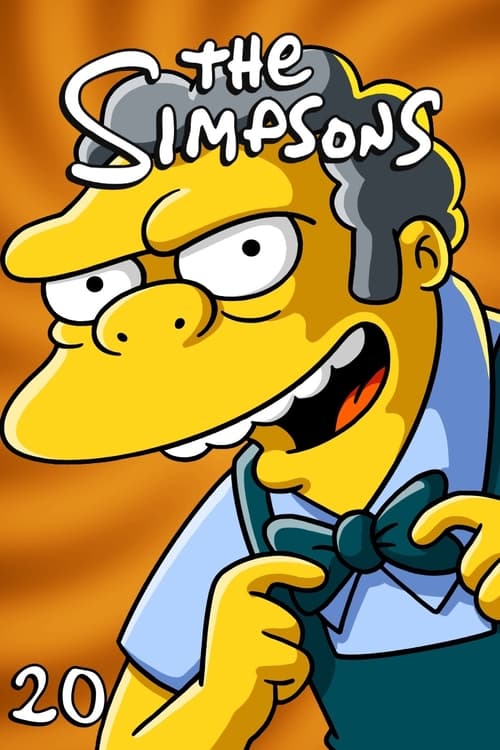
When The Simpsons first aired on December 17, 1989, nobody could have predicted it would become the longest-running American animated series in television history. What started as a 22-minute comedy on FOX has somehow managed to remain culturally relevant across 37 seasons and 801 episodes—a feat that feels almost impossible in an era of shorter attention spans and constantly shifting entertainment trends. Yet here we are, still watching Homer, Marge, Bart, Lisa, and Maggie navigate the absurdities of small-town American life, and the show continues earning an impressive 8.0/10 rating that reflects its enduring quality and audience affection.
The brilliance wasn’t just in the premise—it was in the execution. Matt Groening created something that worked simultaneously as a satirical commentary on American culture and as genuinely warm family entertainment.
The genius of Groening’s vision was recognizing that animation could be more than kid’s stuff. In 1989, animated shows were generally dismissed as Saturday morning entertainment, largely forgettable and unsophisticated. The Simpsons obliterated that assumption. By packing intelligent social commentary, political satire, and genuinely clever writing into those 22 minutes, the show proved that animation could be sophisticated, subversive, and hilarious all at once. The constraints of the runtime actually forced the creative team to be sharper—every joke needed to land, every reference needed to click, and every scene needed purpose.
What made the show truly transcendent was its willingness to evolve while maintaining its core identity. The early seasons established the foundation:
- Satirical family dynamics that felt both universal and distinctly American
- Character depth that went far beyond simple archetypes—Homer wasn’t just a bumbling dad; he was genuinely three-dimensional
- Rapid-fire joke density that rewarded both casual viewers and obsessive fans
- Cultural commentary that never felt preachy, smuggled in under comedy’s cover
But perhaps the most underrated aspect of The Simpsons’ success is how it democratized television humor. It brought highbrow references and lowbrow gags together in perfect harmony. You could enjoy a Homer grunt and a Simpsons joke—and ten minutes later find yourself thinking about the show’s commentary on nuclear power safety or corporate greed. This accessibility-meets-intelligence formula became the show’s signature.
The cultural footprint here cannot be overstated. The Simpsons didn’t just exist in pop culture—it shaped and defined it for an entire generation. The show generated iconic moments that transcended the medium:
- Catchphrase revolution — “D’oh!”, “Eat my shorts”, “Why you little…” became part of the national lexicon
- Guest star phenomenon — Getting celebrities to appear on the show became a status symbol in Hollywood
- Treehouse of Horror episodes — The Halloween specials became must-watch television events
- Political relevance — The show could comment on current events while remaining timeless
- Memetic legacy — Before “memes” was even a common term, Simpsons moments became the template for internet culture
“It’s funny because it’s true” — and that’s been the show’s operating principle from day one.
The influence on animation and television broadly has been staggering. The Simpsons essentially created the template for adult-oriented animated comedies that followed. Family Guy, Futurama, Bender’s Big Score, and countless other animated series owe a creative debt to what Groening and his team pioneered. Even live-action comedies absorbed lessons from the show’s satirical approach and pacing.
What’s remarkable is that the show maintained relevance across such dramatically different eras of media consumption. It premiered when we watched television on broadcast networks at scheduled times. It evolved through cable, then DVD box sets, then streaming services (now available on Disney Plus, Hulu, fuboTV, YouTube TV, and more). The fact that The Simpsons works equally well watched episodically in 1990 or binged across entire seasons in 2024 speaks to the fundamental strength of its writing and character work.
The show’s longevity also reflects something deeper about its relationship with its audience. Unlike many long-running series that become parodies of themselves, The Simpsons has managed to remain surprisingly self-aware about its own legacy. The show frequently acknowledges its history, gently mocks its own tropes, and seems genuinely interested in continuing to tell stories rather than simply coasting on past glories. That’s not to say every season lands equally—the early seasons (particularly 3-8) represent a creative peak that’s rarely matched—but the show’s commitment to reinvention keeps it from becoming completely stale.
The core appeal remains: we care about the Simpson family. After 37 seasons and 801 episodes, these aren’t just cartoon characters anymore—they’re companions we’ve spent thousands of hours with. Homer’s struggles with his job, his marriage, his relationship with his kids; Marge’s unwavering loyalty and barely-concealed exasperation; Bart’s rebellion; Lisa’s intellectual hunger; Maggie’s mysterious determination—these characters have dimensions that rival live-action dramas. The animation style, often dismissed as simple or dated, actually works perfectly because it keeps the focus exactly where it should be: on character and story.
As The Simpsons continues as a Returning Series, it remains proof that great writing, memorable characters, and genuine creative vision can transcend format, technology, and time. In an entertainment landscape constantly chasing the next big thing, The Simpsons keeps showing us why the fundamentals—smart writing, heart, and the willingness to take risks—are what actually endure. That 8.0/10 rating represents something more valuable than numbers: it represents a show that has earned the loyalty and affection of multiple generations. That’s not just television. That’s a cultural institution.