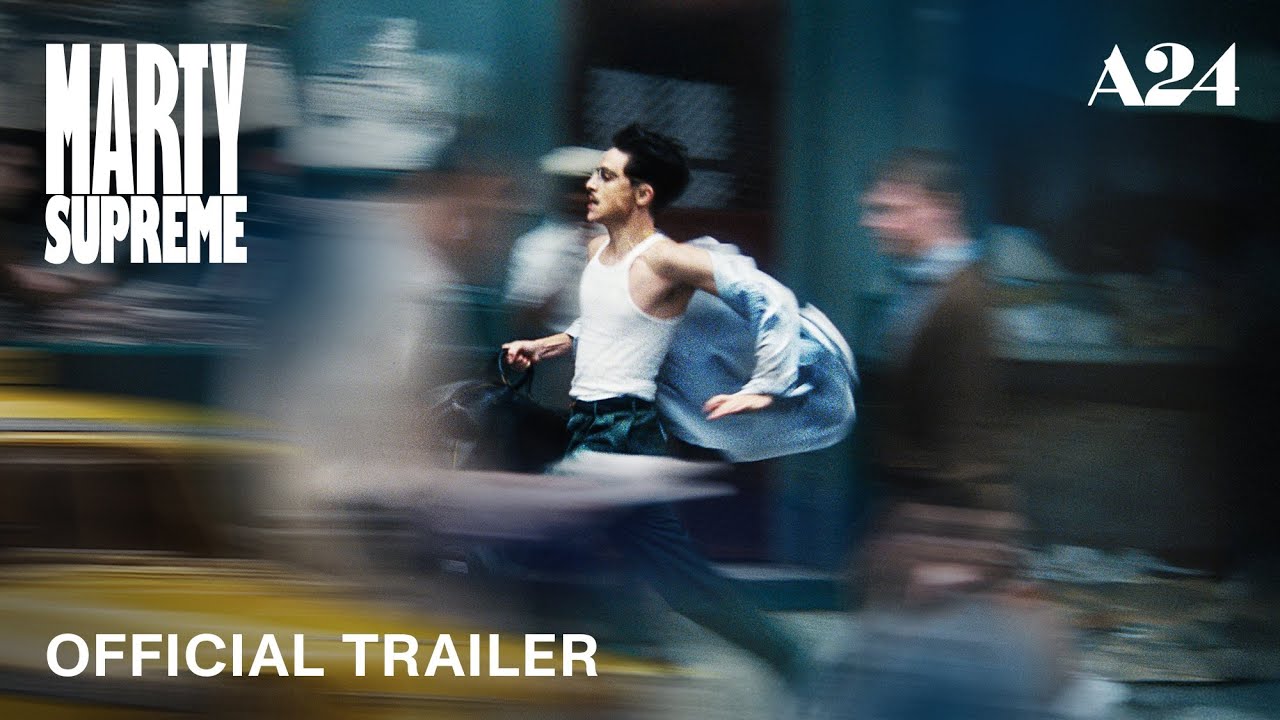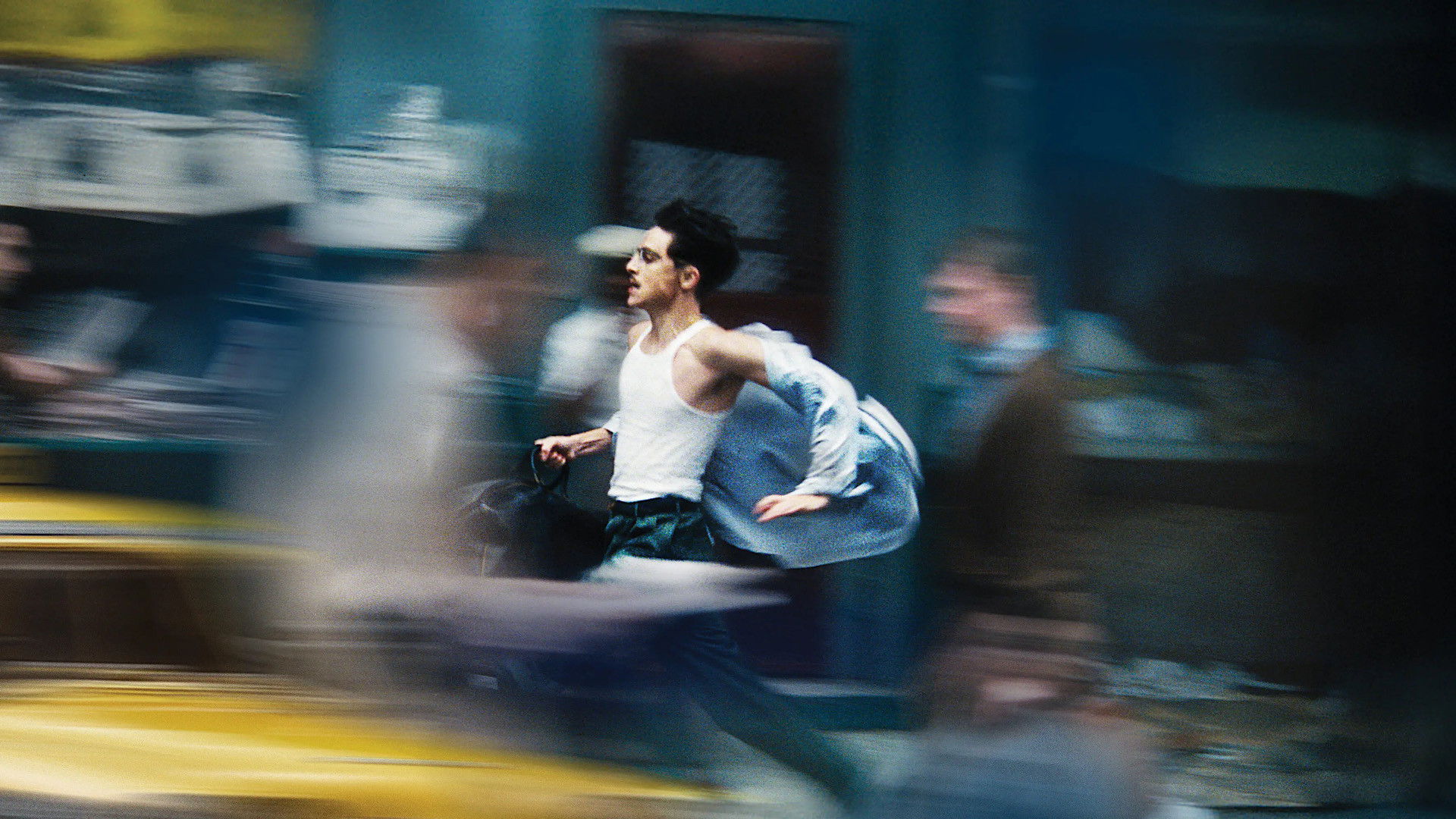
Josh Safdie has always possessed that rare directorial gift—the ability to transform obsession into cinema that feels genuinely alive. With Marty Supreme, which premiered in late December 2025, he’s crafted something that operates on multiple levels simultaneously: it’s a character study, a comedy, a drama, and ultimately a meditation on what it means to pursue excellence in a world that often doesn’t care.
The film’s $65 million budget might initially seem ambitious for what is ostensibly a character-driven indie drama, but watching the final product makes that investment feel entirely justified. What Safdie created wasn’t just a movie—it was a cultural moment, one that proved audiences still hunger for intelligent, densely layered storytelling.
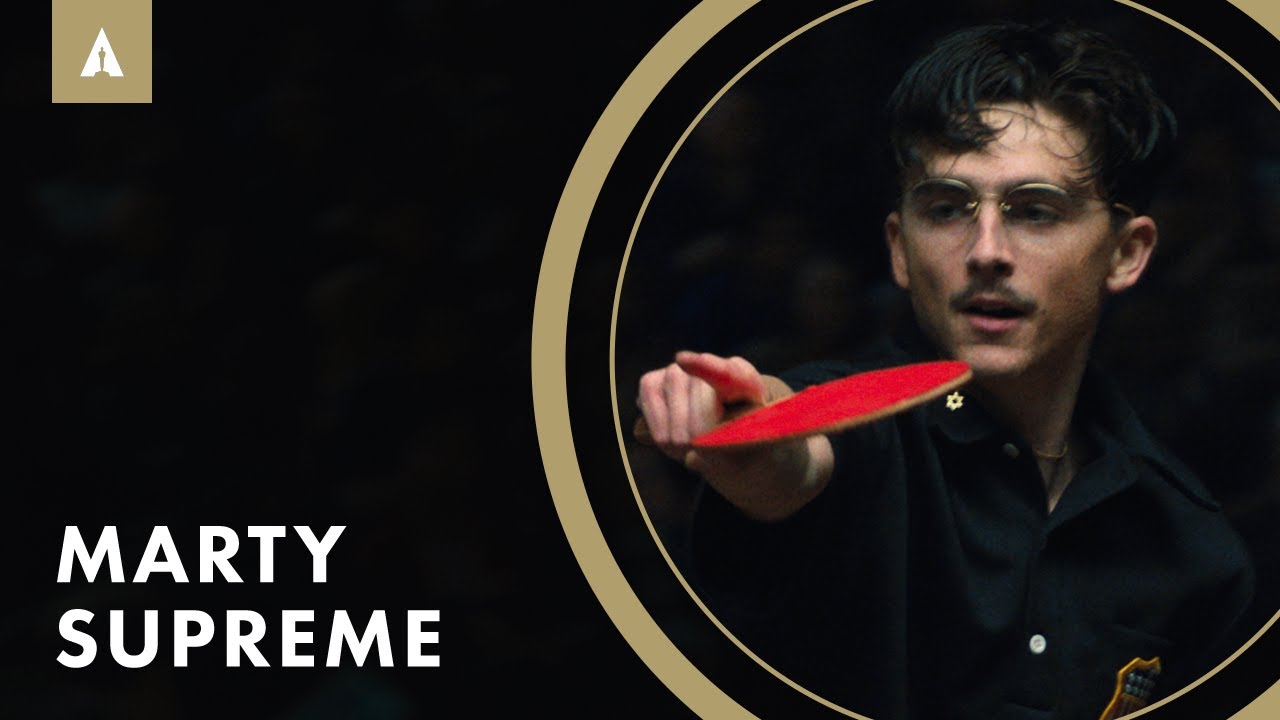
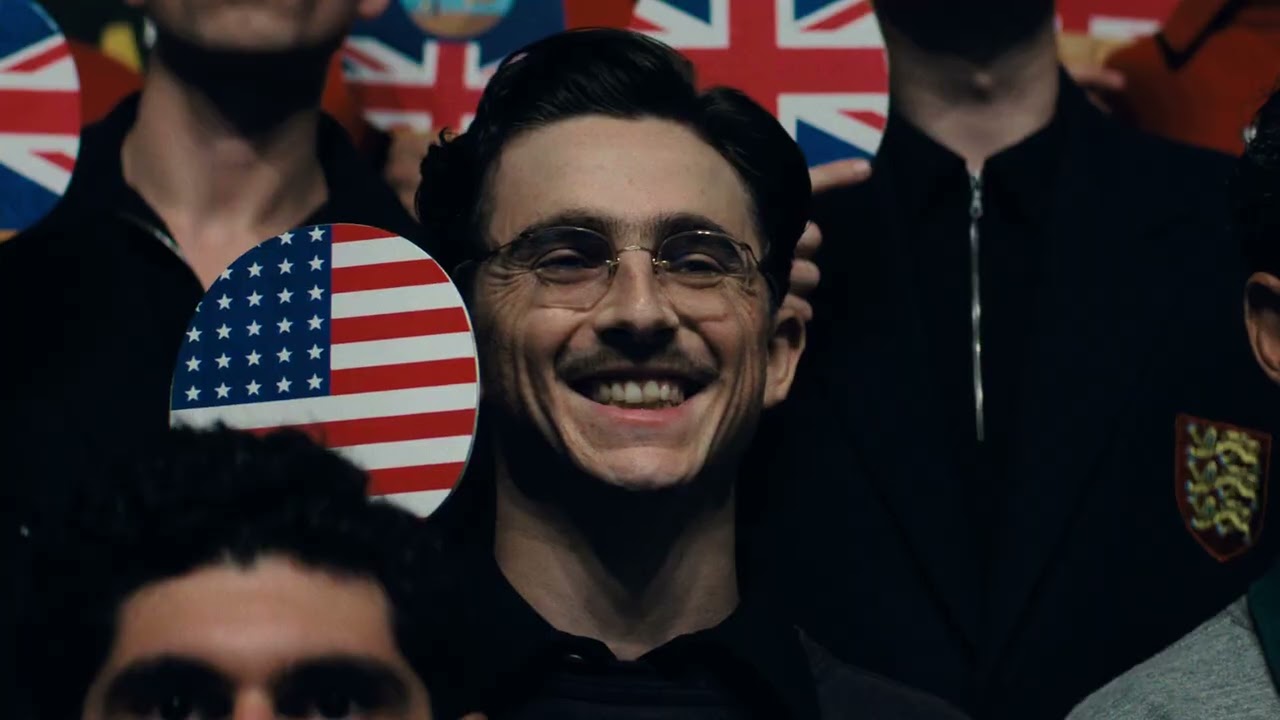
The narrative centers on Timothée Chalamet’s titular Marty, a figure consumed by ambition in ways that are both inspiring and deeply unsettling. Rather than softening the edges of obsession into something palatable, Safdie leans directly into the uncomfortable truth: that genius and madness often share the same address. What’s remarkable is how the film manages to be both darkly comic and genuinely moving, never sacrificing one tone for the other.
“Dream big.” The tagline is deceptively simple, but it cuts right to the heart of what makes this film resonate. In an era of diminished expectations and algorithmic mediocrity, Marty Supreme stands as a passionate argument for ambition itself—flaws and all.
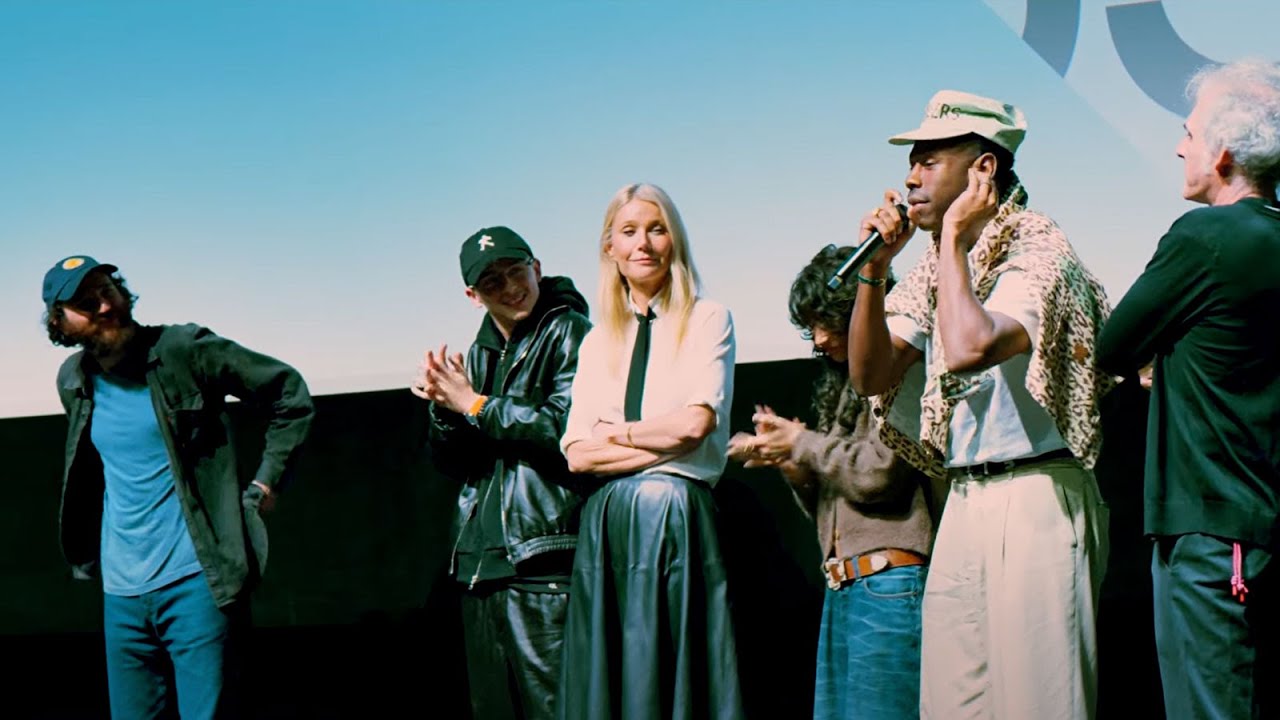
The supporting cast deserves particular attention here. Gwyneth Paltrow brings an unexpected vulnerability to her role, and seeing her work alongside Chalamet creates a dynamic that feels genuinely fresh. Odessa A’zion rounds out the ensemble with a performance that rivals the leads in terms of nuance and emotional depth. This isn’t ensemble casting done for star power—this is three actors who understood Safdie’s vision and elevated it through their commitment.
Consider how the film performed at the box office—and yes, this matters more than people realize. It opened modestly but built momentum in ways that suggested something beyond typical audience satisfaction.
The film eventually crossed $87 million worldwide against its $65 million production budget, a solid return that doesn’t scream blockbuster but absolutely screams “people wanted to see this, and they told their friends about it.”
In an increasingly fragmented theatrical landscape, that kind of word-of-mouth growth is genuinely rare.
- The film’s 2h 30m runtime could’ve felt bloated in lesser hands
- Instead, Safdie uses every second to deepen character and thematic exploration
- The pacing suggests confidence—this director knew exactly what he was doing
- No scenes feel extraneous; everything builds toward the emotional crescendo
The critical reception has been consistently strong, with the film earning an 8.0/10 rating from early voters. That’s the kind of score that suggests critics recognize something meaningful is happening, even if they might quibble with specific choices.
More importantly, the score reflects the film’s durability—these aren’t inflated scores driven by opening weekend hype that deflate within weeks. This is the trajectory of a film that’s going to age well, one that people will revisit and find new layers within.
What Josh Safdie brings to filmmaking is a particular kind of intensity. He doesn’t make comfortable movies. His previous work (Uncut Gems, Good Time) established a visual and narrative language rooted in agitation, in the friction between ambition and reality.
Marty Supreme represents an evolution of that sensibility—it’s still propulsive and unsettling, but there’s something almost tender lurking beneath the surface. Safdie’s learned how to wield restraint alongside chaos, which is honestly harder than it sounds.
- The formal precision of the filmmaking — every frame is composed with intention
- The screenplay’s refusal to judge its protagonist — we’re invited to understand, not condemn
- The orchestral use of tension and release — the film breathes, but never quite lets you relax
- The way it interrogates American ambition itself — this is fundamentally a film about the national character
Timothée Chalamet has become one of cinema’s most deliberate actors—he chooses roles with obvious care, and Marty Supreme represents a fascinating evolution in his career. This isn’t him playing a sympathetic protagonist. Marty is difficult, self-destructive, and often genuinely insufferable.
That Chalamet makes us care anyway, that he finds the desperate humanity beneath the obsession, is the performance of his career thus far. Watch how he uses silence, how he lets awkwardness linger in scenes—this is an actor fully committed to uncomfortable truthfulness.
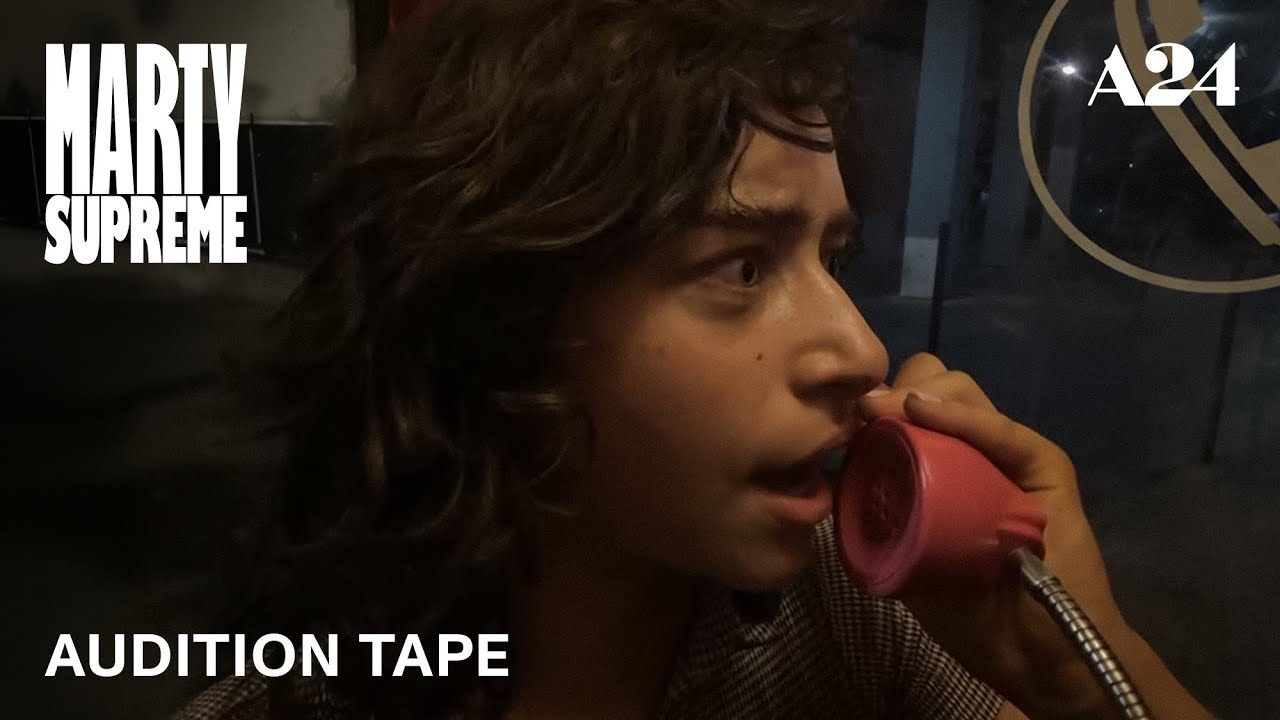
The film’s legacy is still being written, but certain things already feel clear. Marty Supreme has become the kind of film that will influence how filmmakers approach character studies going forward. It’s been released by A24 through Central Pictures, a partnership that understands intelligent cinema doesn’t need to apologize for its ambitions.
In a year crowded with spectacle and IP-dependent storytelling, this film arrived as a reminder that audiences will absolutely show up for something genuine, something that trusts them to sit with complexity and moral ambiguity.
The film doesn’t offer easy answers about ambition, success, or the price of excellence. Instead, it offers something more valuable: honest questions about what we’re willing to sacrifice and whether the dream is worth the cost.
That’s why Marty Supreme matters. It’s a film that respects its audience enough to be difficult, to be funny and sad and uncomfortable all at once. In ten years, people will still be discovering this film, still finding new meaning in its frames. That’s the mark of something that transcends the moment of its release and becomes genuinely timeless.