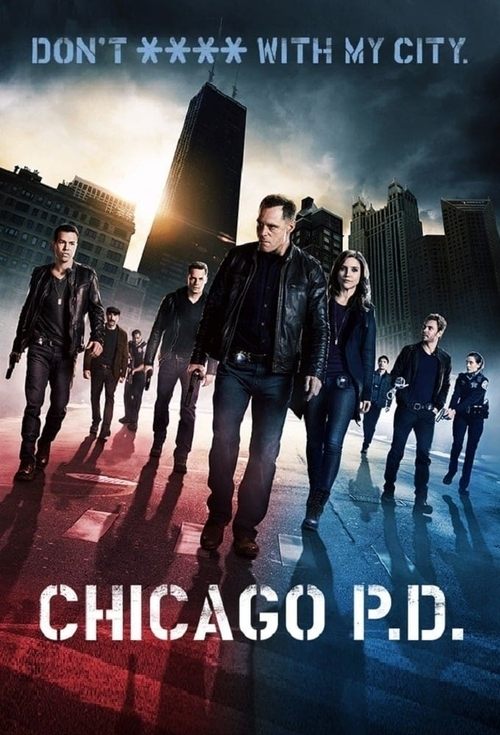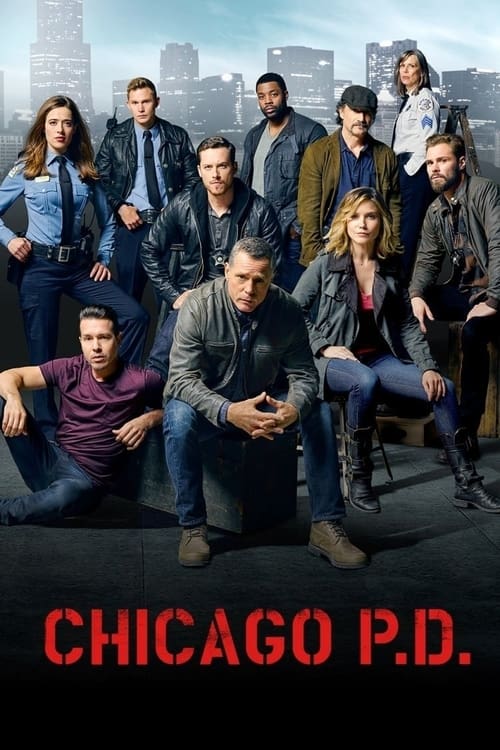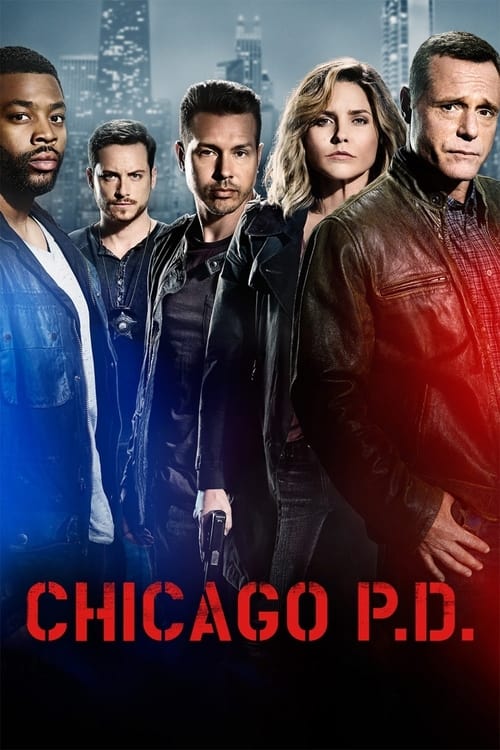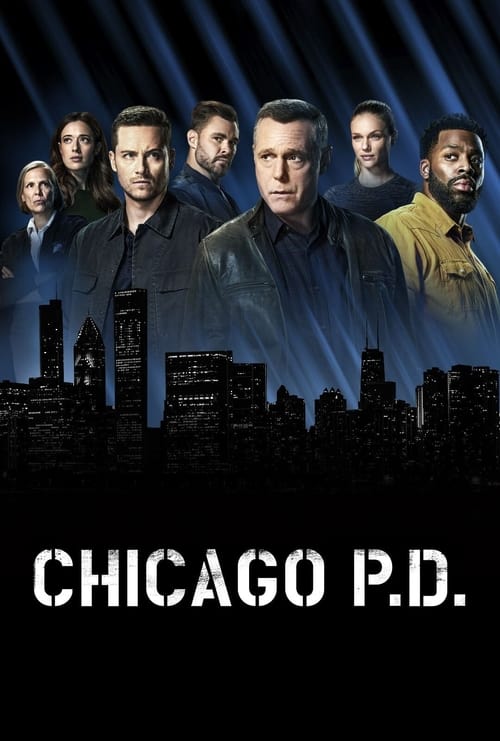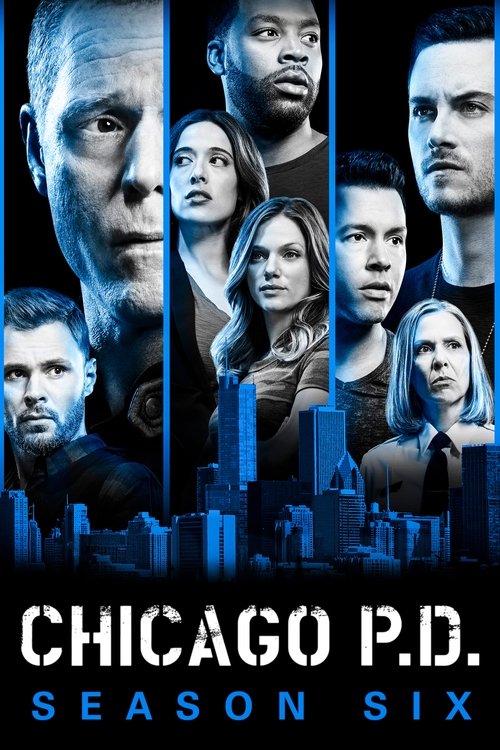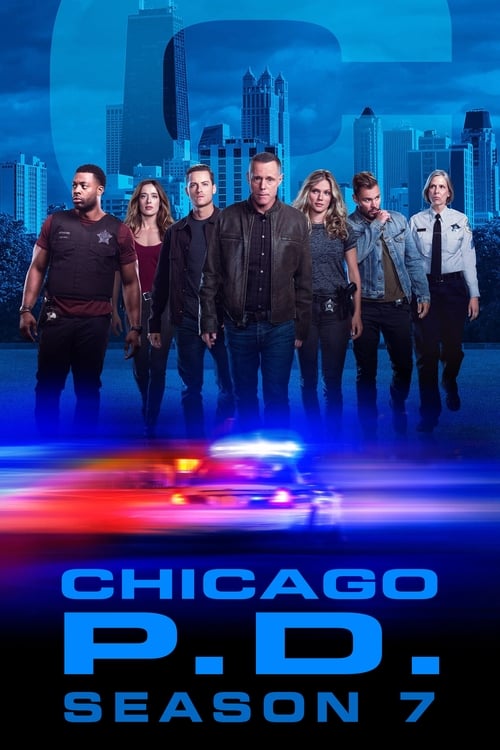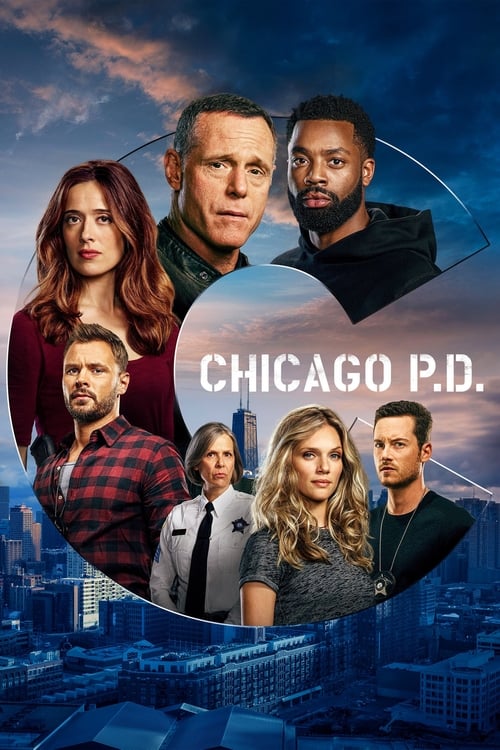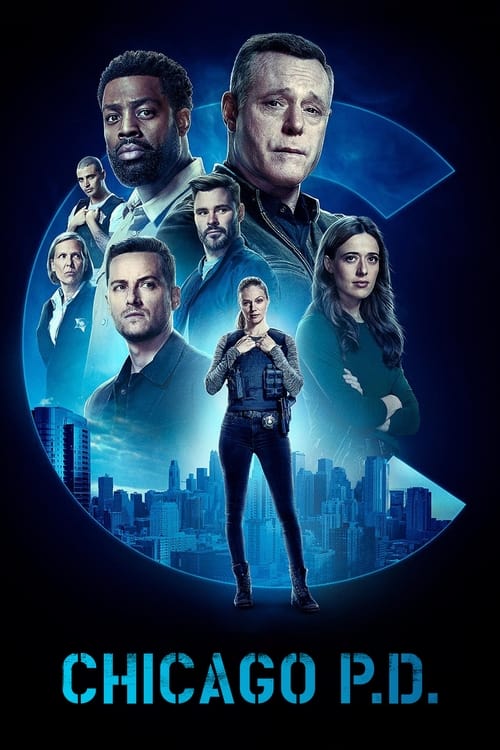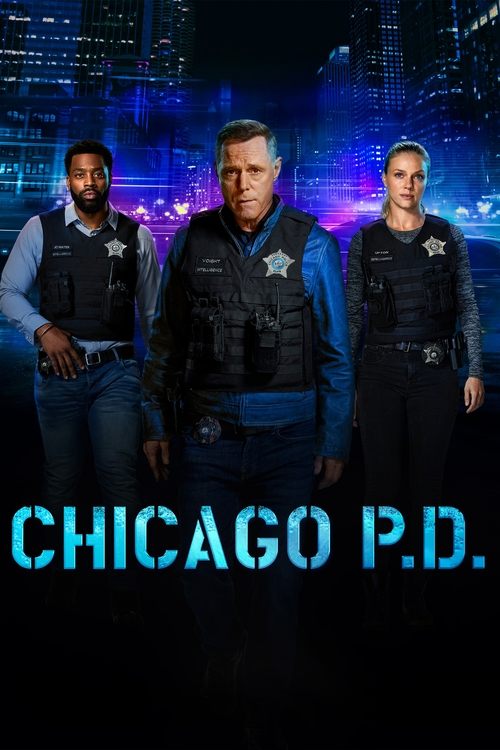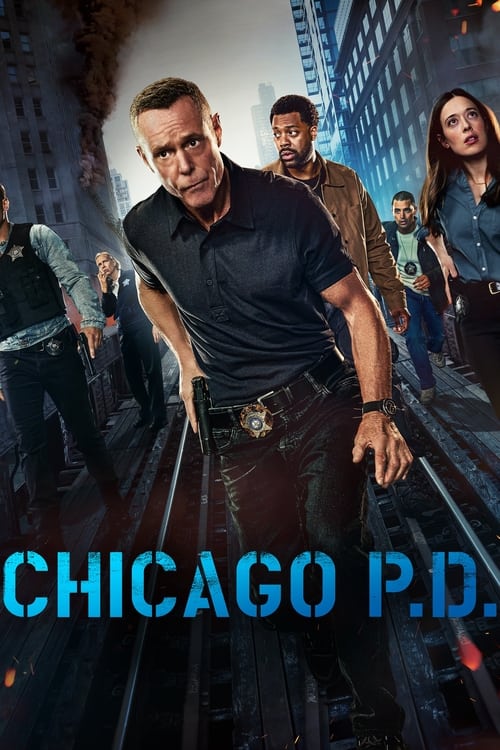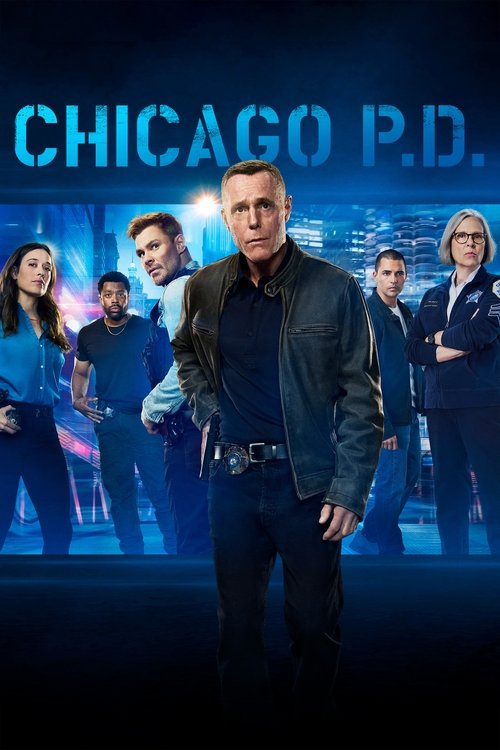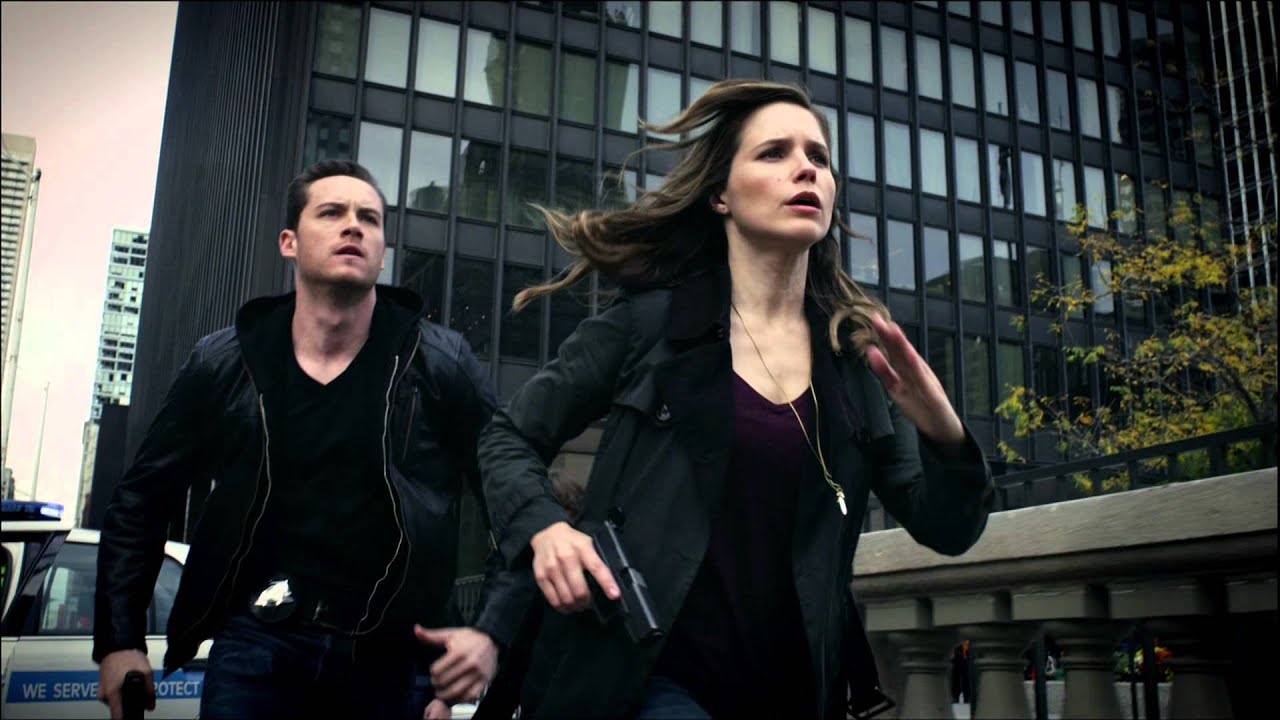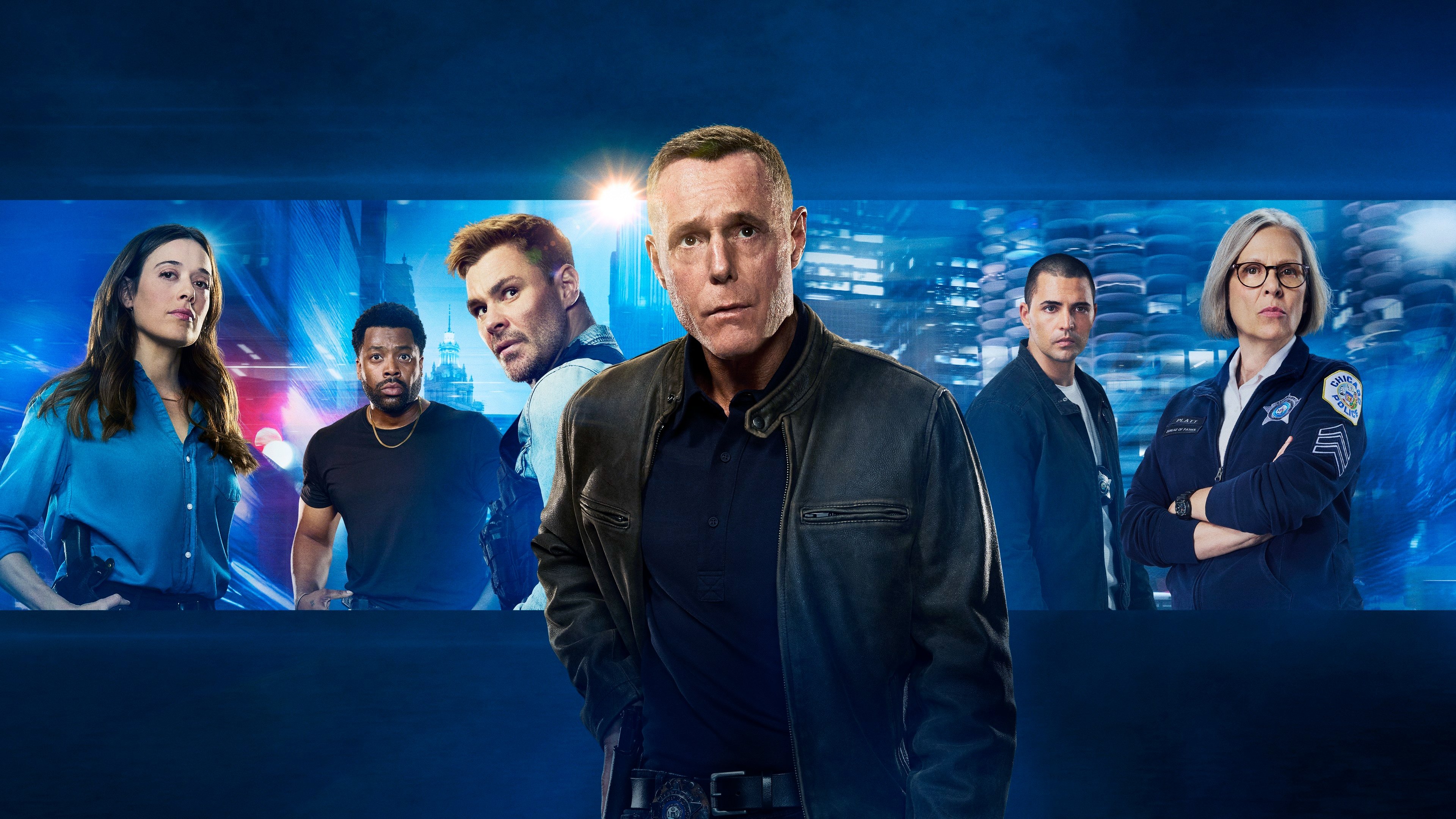
When Chicago P.D. premiered on January 8, 2014, it arrived as part of Dick Wolf’s expanding television empire, but what made it special was how it carved out its own identity within that world. Rather than simply existing as another procedural, the show became a masterclass in balancing gritty realism with deeply personal storytelling. Over thirteen seasons and 255 episodes, it’s maintained an impressive 8.4/10 rating—a testament to how the creators understood that audiences wanted more than just case-of-the-week narratives. They wanted to care about the people solving those cases.
The genius of Wolf and Matt Olmstead’s vision lies in how they anchored the show at the fictional 21st District, specifically within the Intelligence Unit. This wasn’t just a setting; it became a character itself. The decision to focus on both uniformed officers and the elite detective squad created natural tension and storytelling opportunities that kept the show fresh across multiple seasons.
The show’s real strength emerges in how it treats procedural storytelling as a vehicle for character development, not the other way around. While other crime dramas treat their cops as vehicles for plot, Chicago P.D. asks us to genuinely invest in who these people are when the cameras aren’t rolling.
Looking at the show’s critical trajectory tells an interesting story:
- Season 1-3 (8.0-8.2 rating): The foundation years where the ensemble cast chemistry began to solidify and the show found its voice
- Season 4-5 (8.4 rating): The creative peak where the show hit its stride, balancing procedural satisfaction with serialized storytelling
- Season 6-13: Consistent quality maintenance, hovering around 8.3, proving the show could sustain excellence across a full decade
What became undeniable was that audiences connected with something authentic about the show’s approach. The writers understood that cops aren’t robots—they’re people dealing with moral ambiguity, personal trauma, and the weight of impossible decisions. Shows like this succeed when they acknowledge that the job changes you, and Chicago P.D. never shied away from exploring that transformation.
The cultural footprint this show left is significant in ways that might not immediately grab headlines. It wasn’t necessarily about shocking twists or scandal-of-the-week storytelling. Instead, Chicago P.D. became the show you recommended to friends because the character work was genuinely exceptional. Whether it was exploring the complexities of leadership, the psychological toll of violence, or the way duty can strain relationships, the series treated these themes with the gravity they deserved.
Key elements that defined the show’s approach:
- Ensemble dynamics that evolved naturally across seasons rather than feeling manufactured
- Guest star appearances that elevated individual episodes without overshadowing the core cast
- Serialized storytelling woven into procedural structure—letting cases have consequences that rippled forward
- Moral complexity that resisted easy answers about right and wrong in law enforcement
- Crossover events with Chicago Fire and Chicago Med that expanded the universe without feeling obligatory
The decision to keep episode runtimes flexible (what the database lists as “Unknown”) actually served the show well. Rather than cramming stories into a predetermined slot, writers could breathe with their material. Some episodes needed more time to explore character moments; others required room for procedural detail. This flexibility meant the show wasn’t sacrificing emotional beats for commercial breaks or shortchanging investigations for character scenes.
A show that runs thirteen seasons while maintaining an 8.4 rating isn’t succeeding through luck—it’s succeeding because it respects both its audience and its craft.
The accessibility of Chicago P.D. across multiple streaming platforms (Amazon Prime Video, Peacock Premium, YouTube TV, and various ad-supported tiers) speaks to another important aspect of its legacy. This show became something people could discover, binge, and share on their own terms. That democratization of access meant new generations of viewers kept finding it, which is why the show’s status as a “Returning Series” carries genuine weight—audiences kept showing up.
What’s remarkable about the show’s longevity is that it never seems to phone it in. The consistency in quality across 255 episodes is genuinely rare in television. That’s not accident; that’s the result of creators who understood their material deeply enough to know when to evolve and when to hold fast to what was working.
Chicago P.D. ultimately deserves attention because it represents what can happen when procedural television is treated seriously—when the crime investigation serves the characters rather than the other way around. It’s a show that understood that police dramas don’t become cultural touchstones because they solve crimes; they become beloved because they help us understand the people carrying that burden.