When People We Meet on Vacation premiered on Netflix in early January 2026, it arrived at a pivotal moment for literary adaptations in cinema. Brett Haley’s film doesn’t just translate Emily Henry’s beloved novel to screen—it fundamentally understands what makes contemporary romance resonate with audiences right now.
This isn’t a sweeping period piece or a high-concept thriller; it’s intimate, funny, and achingly human. In a landscape cluttered with prestige dramas and franchise sequels, Haley’s understated approach to storytelling feels almost radical.
The film’s opening weekend numbers tell part of the story: 17.2 million views across Netflix’s platform in just three days. For context, that’s an extraordinary achievement for a romantic comedy—a genre that streaming services have historically treated as filler content.
But here’s what matters more than those numbers: audiences connected with what Haley created on a remarkably modest $1 million budget. That creative constraint forced real ingenuity, stripping away the glossy excess that often suffocates romance films and leaving only what’s essential: two people, their chemistry, and the question of whether some connections can survive the real world.
The film’s 7.2/10 rating among early viewers reflects something interesting—this isn’t a movie designed to be universally beloved. It’s divisive in the best way, asking things of audiences that not everyone wants from their entertainment.
What makes this adaptation matter is how completely it understands Emily Henry’s source material without being enslaved to it. Haley and his team recognized that Henry’s novel works because it captures something specific about how modern relationships develop: the intensity of time outside normal life, the vulnerability of vacation intimacy, and the terror of returning to reality. The film’s 96-minute runtime is deceptively tight—there’s no wasted scene here. Every conversation earns its place on screen.
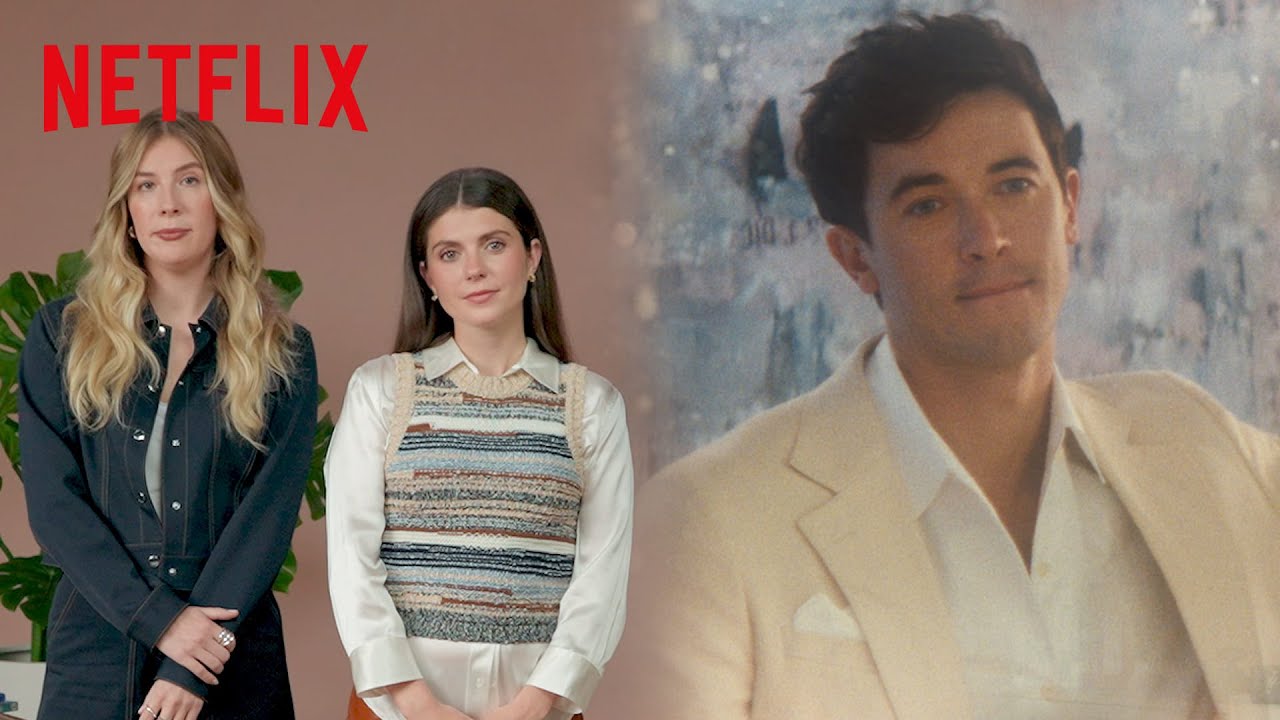
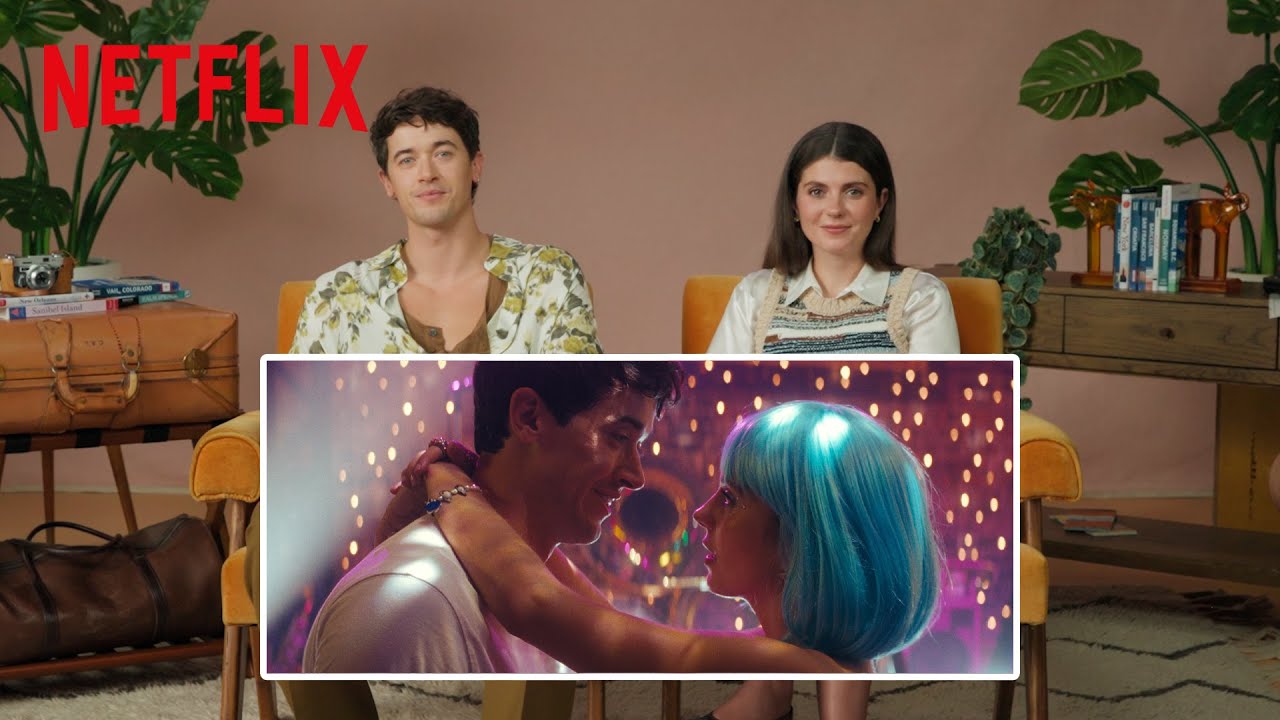
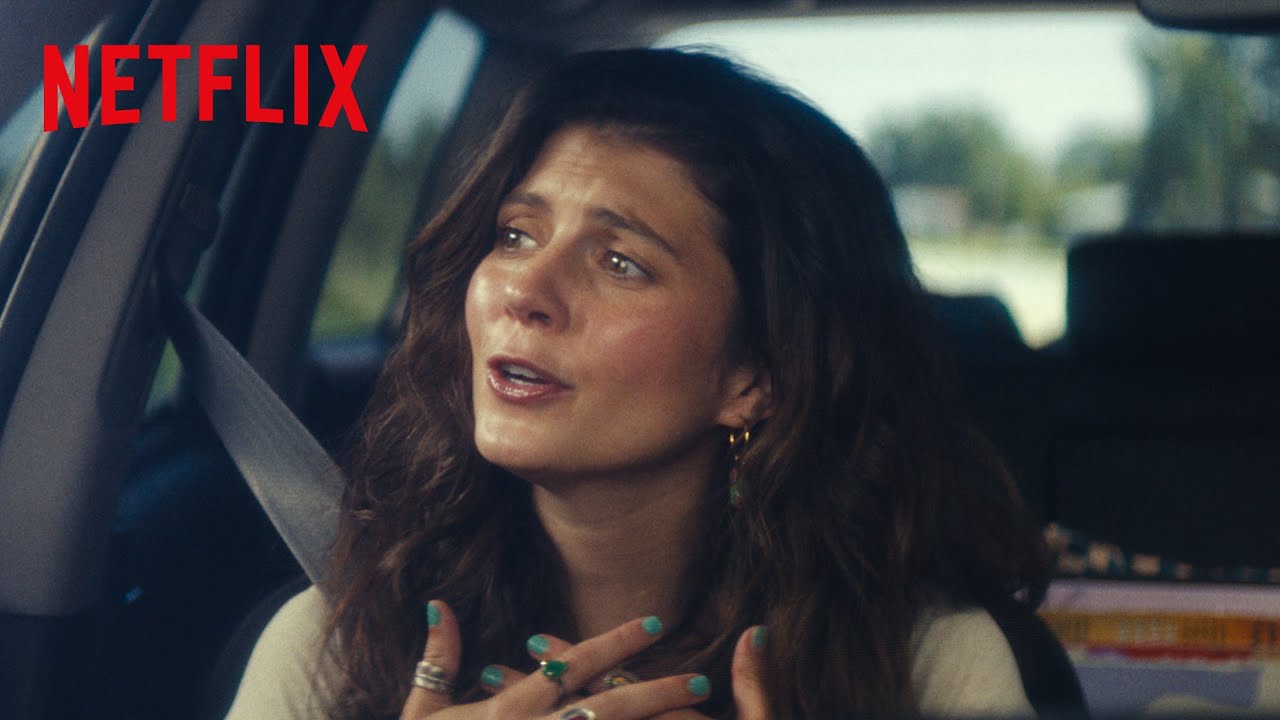
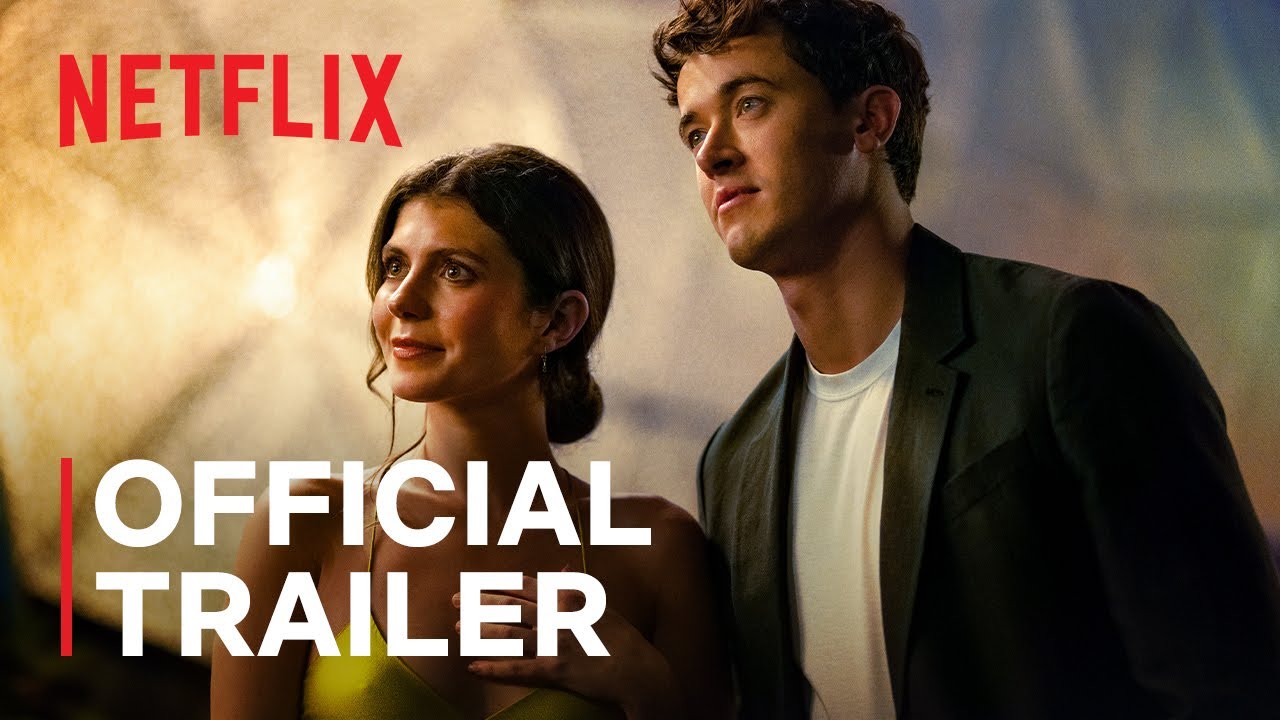
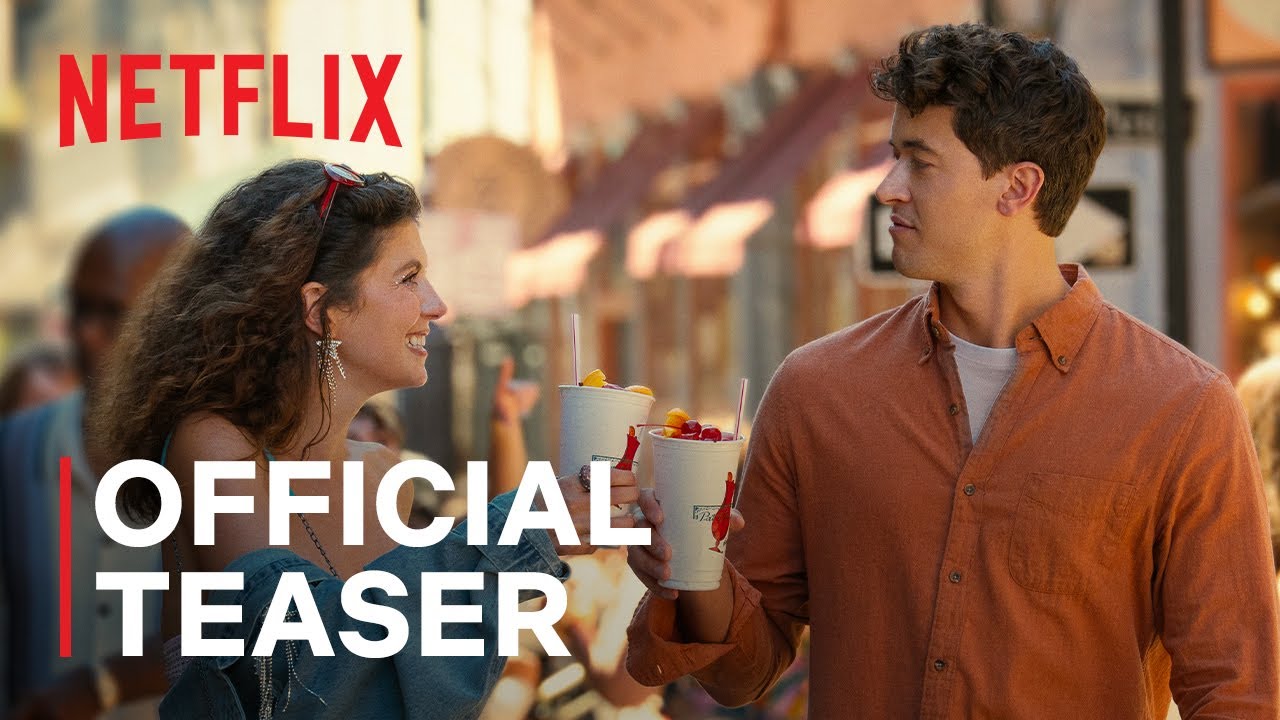
Emily Bader and Tom Blyth deliver something that typical rom-com casting rarely achieves: genuine uncertainty about whether their characters will actually work. Bader brings a grounded quality to what could have been a manic-pixie archetype, while Blyth avoids the standard “emotionally constipated male lead” trap.
Their dynamic feels lived-in rather than performed. Sarah Catherine Hook’s supporting role adds another dimension, and the ensemble work suggests Haley orchestrated his cast with the precision of a director who understands that chemistry can’t be faked or edited in—it has to exist in the room during filming.
The film’s place in contemporary cinema represents a meaningful shift in how we approach adaptation. Consider these key elements:
- Emotional authenticity over plot mechanics — The film doesn’t prioritize hitting every plot point; it prioritizes feeling true
- Budget constraints as creative opportunity — Working within limitations forced visual inventiveness rather than relying on expensive set pieces
- Character-driven narrative — Two people talking matters more than where they’re talking
- Tonal complexity — The film moves between comedy and genuine melancholy without whiplashing viewers
What’s remarkable about Haley’s direction is his restraint. He came from television, and you can feel that discipline—no unnecessary flourishes, no self-indulgent cinematography, just clear storytelling that trusts actors and material. In an era of directorial maximalism, that’s increasingly countercultural.
Haley lets scenes breathe. He holds on reactions longer than you’d expect. He seems to understand that the most romantic moments aren’t scored with sweeping orchestral arrangements; sometimes they’re just two people realizing something in silence.
The Netflix release strategy proved crucial to the film’s success. By debuting on the streaming platform rather than pursuing theatrical distribution, it found its audience immediately—those 17.2 million viewers represent people who already understood what they were getting.
This wasn’t competing for multiplex real estate against superhero blockbusters; it was meeting people in their homes, which somehow feels appropriate for a film about intimacy and connection. The streaming model allowed the film to accumulate an audience across the full 91-day premiere window rather than relying on a traditional opening weekend.
Critically, the film has quietly become influential in demonstrating that romance narratives can thrive outside traditional studio systems. Directors and screenwriters are watching how Haley managed tone and pacing here.
The film proves you don’t need elaborate production design or A-list star power to create something that connects with millions of people. You need clarity of vision, respect for source material without servitude to it, and trust in what actors can communicate when given space to do so.
Where this film ultimately resonates is in its thesis: vacation love isn’t false or lesser because it exists outside routine. It’s simply different—and sometimes, the most real connections happen when we’re temporarily freed from our ordinary lives.
Looking forward, People We Meet on Vacation will likely be remembered as a turning point for romantic adaptations in the streaming era—proof that these stories still matter, that audiences still crave them, and that modest budgets in the hands of confident filmmakers can create something genuinely memorable. It’s not a perfect film, and that’s precisely why it endures.