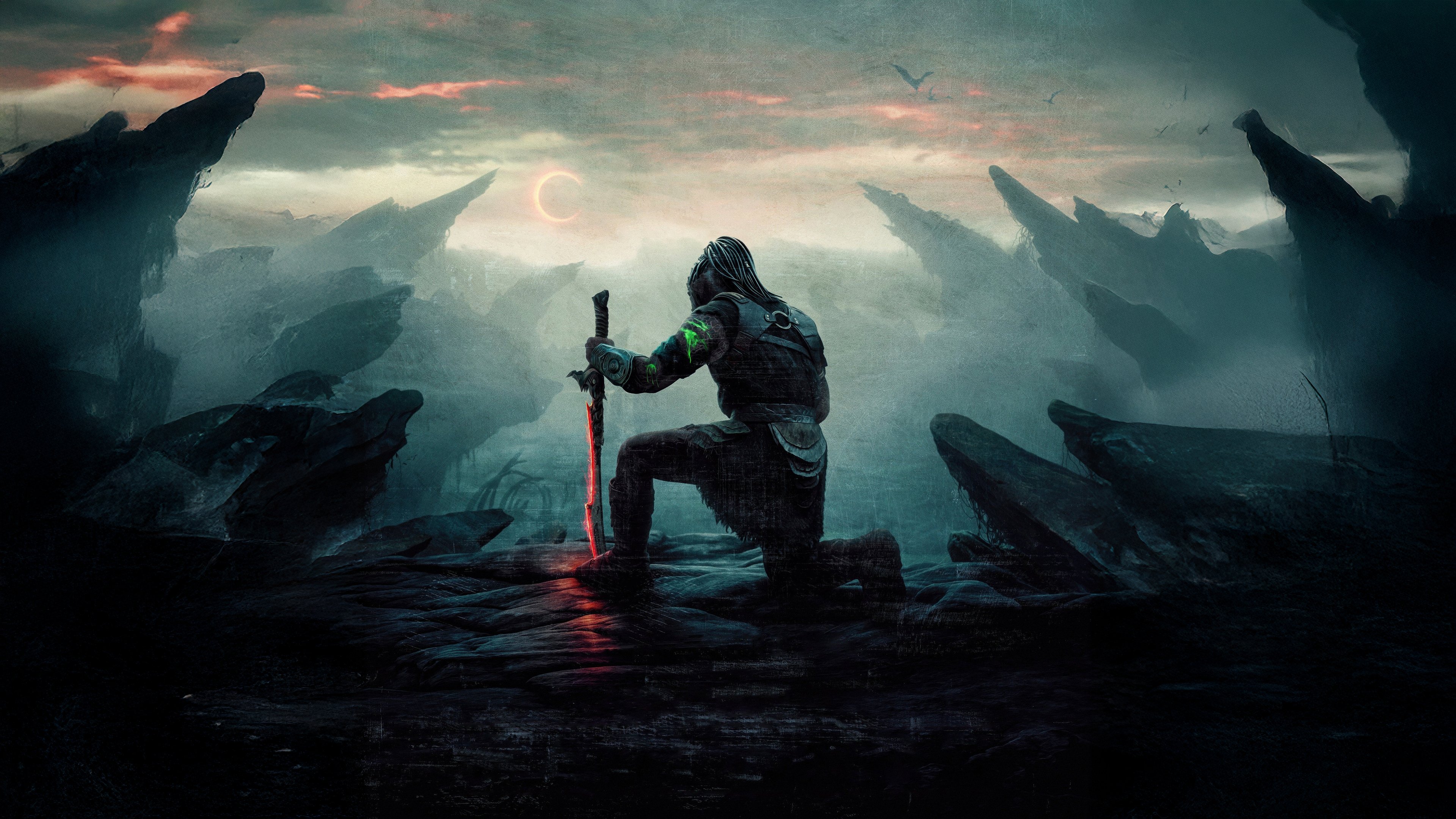
When Predator: Badlands premiered at the TCL Chinese Theatre in November 2025, it arrived carrying the weight of nearly four decades of franchise history—and it didn’t just meet expectations, it shattered them. What Dan Trachtenberg accomplished here was nothing short of a resurrection of a property that had grown increasingly fragmented and lost.
This wasn’t just another entry in the Predator saga; it was a fundamental reimagining of what the franchise could be, and audiences responded by making it the highest-grossing film in the entire 38-year-old series, eventually crossing $184 million worldwide against a $105 million budget.
That financial success matters, sure, but what’s more interesting is why it happened. Trachtenberg took a 107-minute journey and crafted something that felt simultaneously fresh and authentically Predator.
There’s a confidence in that brevity—no bloated runtime, no unnecessary tangents. The film moves with purpose, and that discipline is reflected in how audiences received it. Opening with $80 million globally set an immediate tone: people wanted to see what this filmmaker had to say about the franchise.
“First hunt. Last chance.” — The film’s tagline captures something essential about the story Trachtenberg wanted to tell. This wasn’t nostalgia bait or fan service wrapped in expensive production design. It was about stakes, vulnerability, and survival stripped down to its core.
Let’s talk about the creative vision for a moment, because this is where Badlands distinguishes itself from so many franchise revivals:
- Elle Fanning as the emotional center — Fanning brought an intensity and vulnerability to her role that grounded the sci-fi spectacle. She made you care about the hunt in a way that elevated the material beyond simple action beats
- A fresh approach to the Predator mythology — Rather than retreading familiar ground, Trachtenberg’s script recontextualized what we know about the creatures and their world
- Ensemble chemistry — The supporting cast, including Dimitrius Schuster-Koloamatangi and Ravi Narayan, created genuine ensemble dynamics that gave the action sequences emotional weight
What makes Trachtenberg’s direction particularly compelling is his restraint. With a $105 million budget, he could’ve gone bigger, louder, more gratuitous. Instead, he chose intimacy within scale. The film’s 7.8/10 rating across over 1,400 votes suggests a solid critical consensus—not universally beloved, but respected and appreciated by those who saw it. That’s actually harder to achieve than either extreme praise or dismissal.
The cultural impact of Badlands extends beyond box office numbers, though those are undeniably significant. By becoming the franchise’s biggest earner, it proved something crucial to studios: audience appetite for thoughtful recalibration of established properties remains robust.
This film arrived in a landscape oversaturated with legacy sequels and reboots, many of which felt obligatory. Badlands felt purposeful.
- The film demonstrated that you don’t need to return to the franchise’s greatest hits to honor its legacy
- It showed that a fresh directorial voice can revitalize intellectual property that audiences thought they’d exhausted
- The success signals that audiences distinguish between films made for them and films made with them in mind
What also matters—and what will likely resonate for years—is how Badlands repositioned the Predator universe in popular consciousness. For nearly two decades, the franchise had drifted through various attempts at expansion and crossover that diluted its core appeal. Trachtenberg essentially said: let’s go back to what works—the primal fear, the alien intelligence, the human struggle—and build something new from there.
The ensemble cast deserves particular attention because franchise revivals often suffer from feeling like collections of character archetypes. Here, Fanning, Schuster-Koloamatangi, Narayan, and their co-stars created something more organic. Their performances suggested collaboration rather than competition, which is rare in action ensembles where each character is often fighting for screen time and memorable moments.
The film succeeded because it respected both the franchise’s history and its audience’s intelligence. It didn’t condescend, didn’t over-explain, and didn’t apologize for being what it was: a tightly-crafted sci-fi action film with genuine thematic weight beneath the spectacle.
The legacy of Predator: Badlands will likely be instructive for how studios approach dormant franchises going forward. Yes, there’s the immediate success—the record-breaking box office, the premiere at a major venue, the critical respectability. But beyond those metrics lies something more enduring: a template for franchise revival that prioritizes artistry alongside commerce.
In a year where 2025 saw significant box office volatility, Badlands arrived and reminded everyone why people still show up for spectacle when it’s married to genuine filmmaking. That’s not nothing. That’s exactly the kind of film people remember, discuss, and return to. And in an era where franchises often feel disposable, that sense of permanence—that quality—is increasingly rare and genuinely valuable.