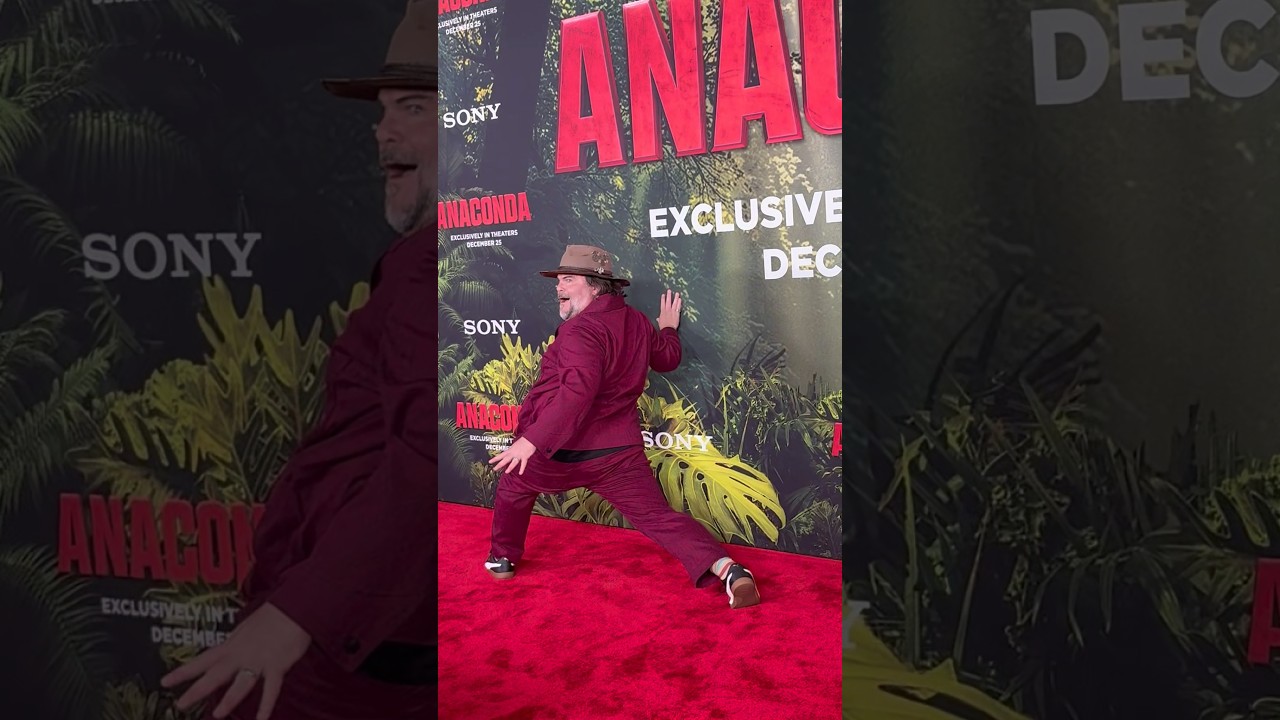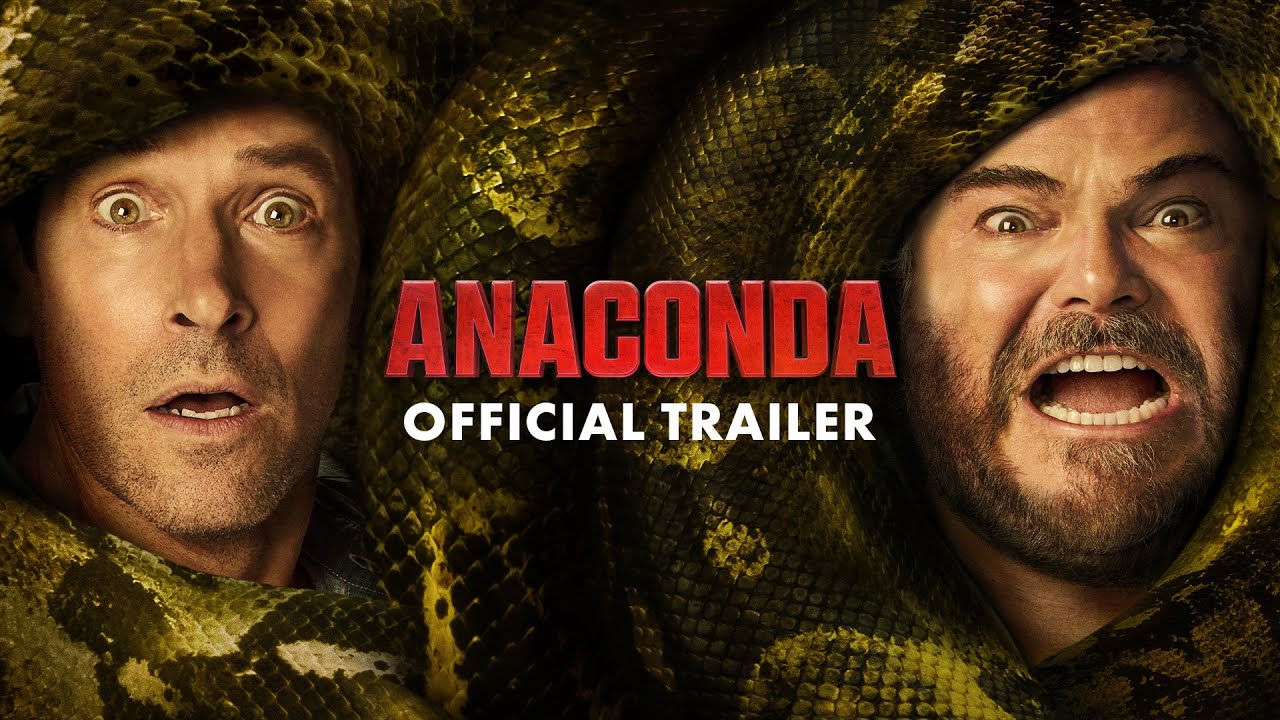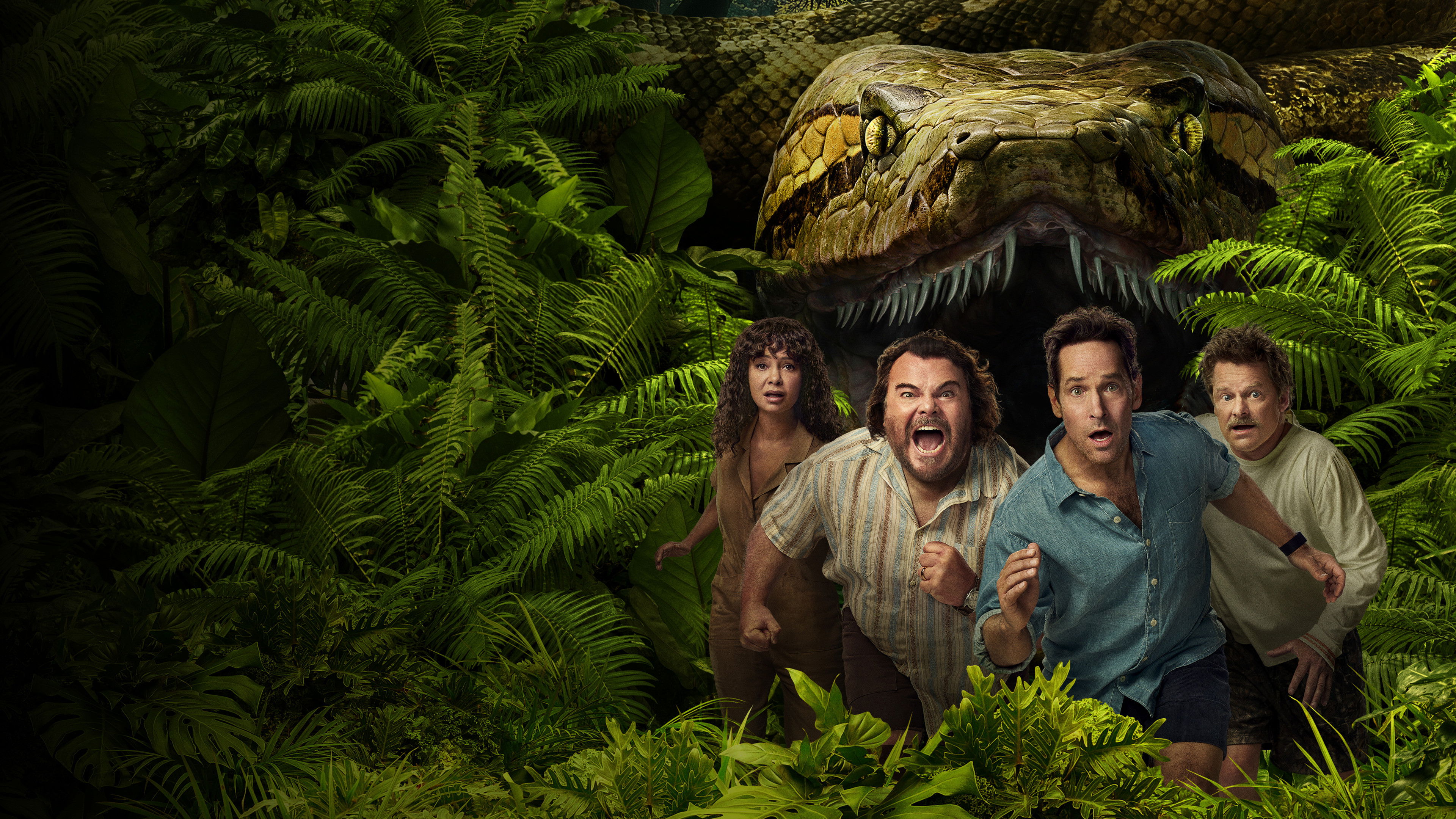
When Anaconda came roaring into theaters on Christmas Eve 2025, nobody quite knew what to expect. A reboot of a 1997 creature feature that had become more camp classic than legitimate thriller, helmed by director Tom Gormican with a comedic powerhouse cast headlined by Jack Black, Paul Rudd, and Steve Zahn? It sounded risky. It sounded messy.
It sounded, frankly, like it could’ve been a disaster. Instead, what emerged was a film that proved there’s still life in the adventure-horror hybrid formula when you commit to the absurdity of it all.
The box office numbers tell part of the story. With a $45 million budget, the film wound up grossing $110.6 million worldwide, easily doubling its production costs and signaling that audiences were hungry for exactly this kind of irreverent, self-aware creature feature.
That’s not blockbuster territory—it’s not Avatar money—but it’s the kind of return that validates a creative gamble. The film didn’t just make its money back; it became only the second installment in the franchise to cross the $100 million mark globally, proving that sometimes the best approach to a tired property is not reverence, but reinvention.
The real victory here wasn’t just financial—it was creative. Anaconda succeeded by doing what so many legacy reboots fail to do: it understood its own ridiculousness and leaned into it with genuine affection.
Here’s what made Anaconda tick:
- A comedy-horror hybrid that actually works — The film’s tagline, “A comedy so big it’ll leave you breathless,” wasn’t just marketing speak. This was genuinely comedic filmmaking wrapped in creature-feature packaging.
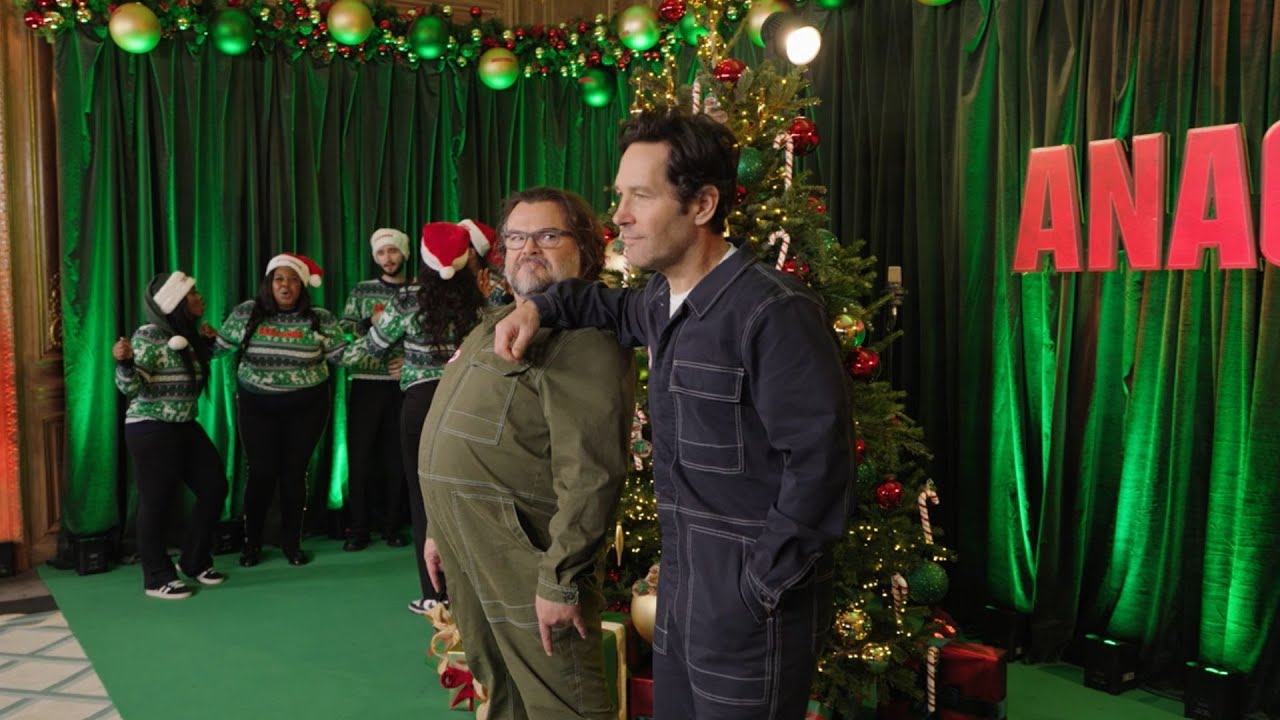
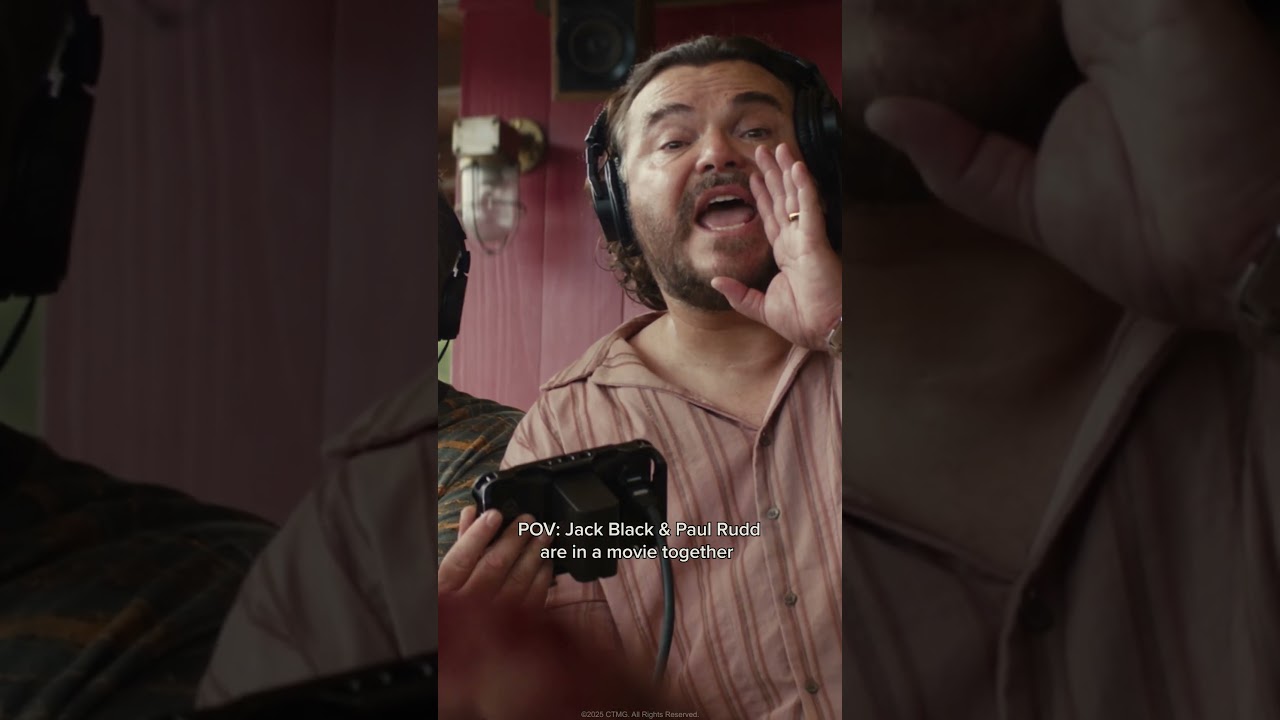
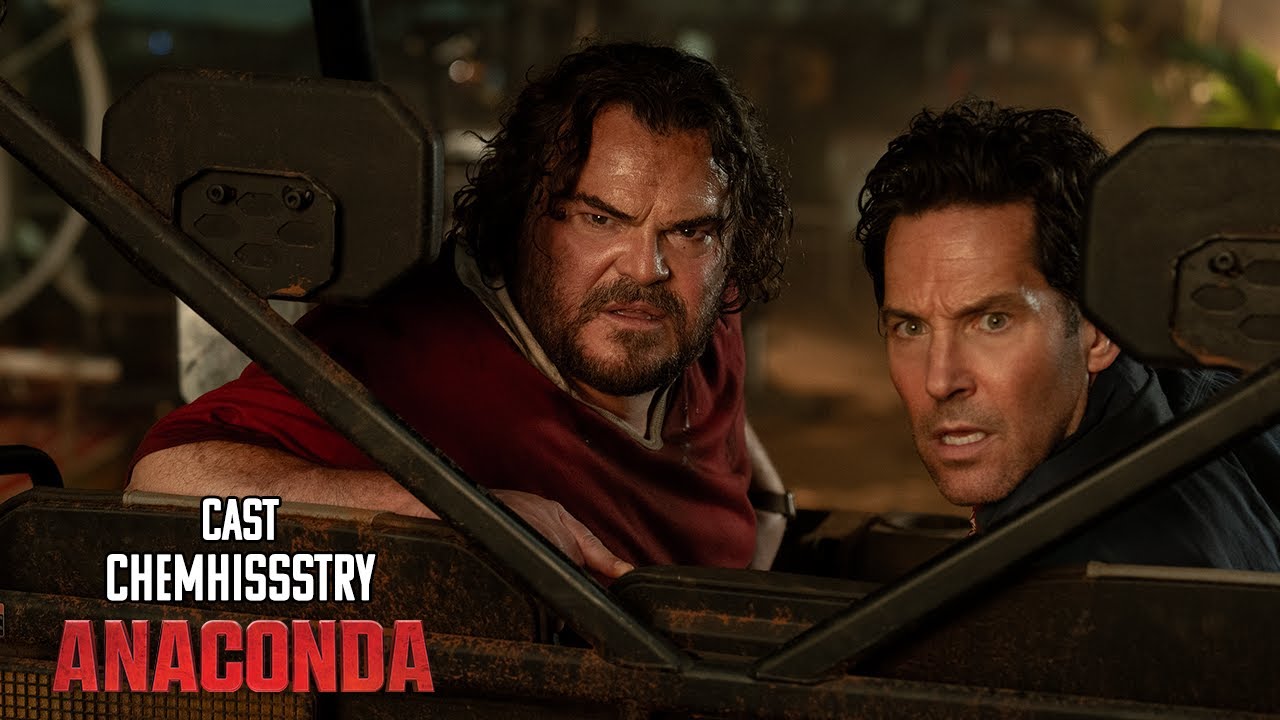
- Strong ensemble chemistry — Jack Black, Paul Rudd, and Steve Zahn brought complementary comic sensibilities that elevated what could’ve been one-note performances.
- Brisk pacing — At just 1 hour and 40 minutes, the film knew exactly how long it should be. No bloat, no unnecessary detours. Get in, have fun, get out.
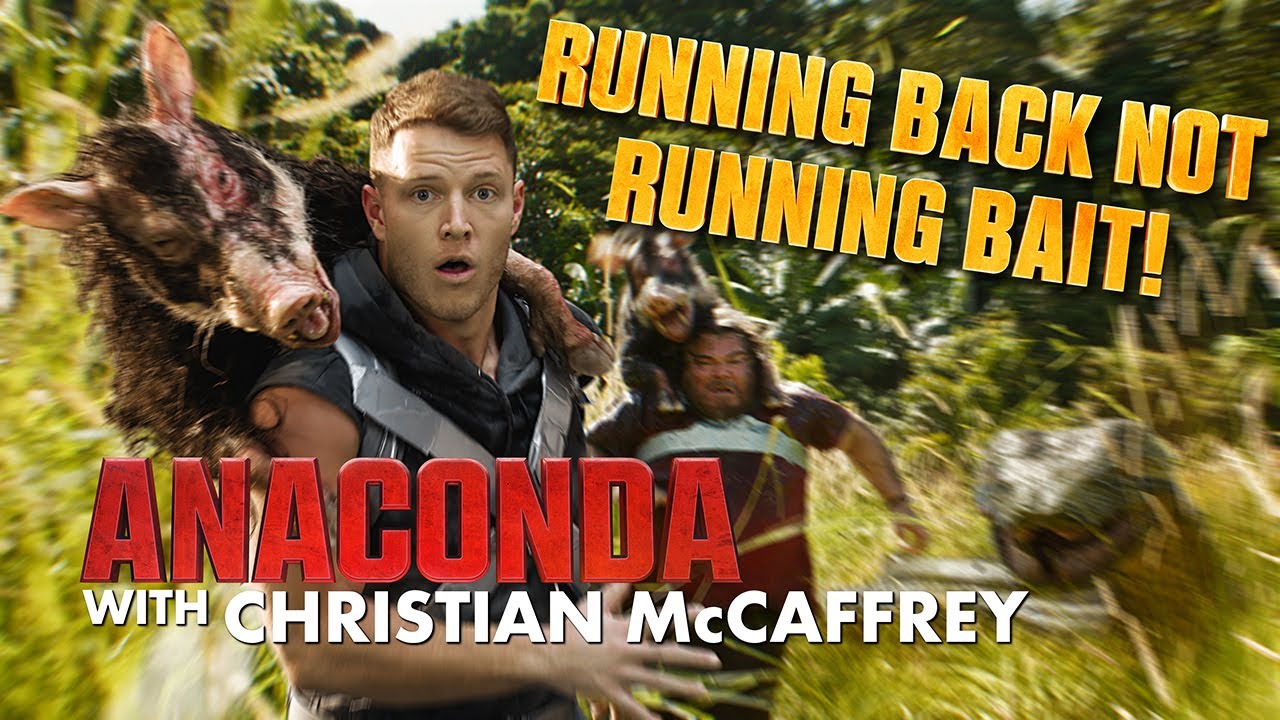
- Visual spectacle on a smart budget — The production design and creature effects justified the $45 million investment without feeling wasteful.
Gormican’s contribution to this project cannot be overstated. The director came into Anaconda with a track record of balancing humor and heart (see his work on The Unbearable Weight of Massive Talent with Nicolas Cage), and he brought that same sensibility here.
He understood that modern audiences don’t want po-faced reverence for legacy IP—they want intelligence and wit masquerading as escapism. The film was shot with a wink and a genuine commitment to both the comedy and the stakes, which is harder to pull off than it sounds.
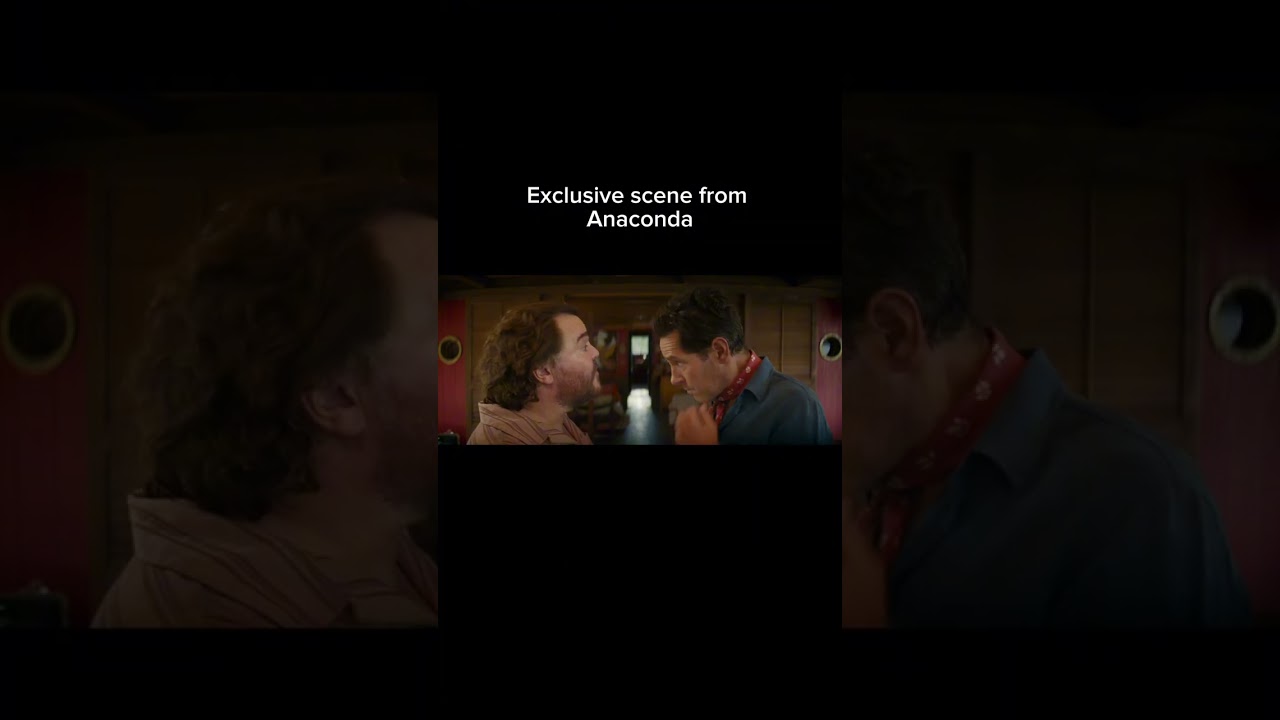
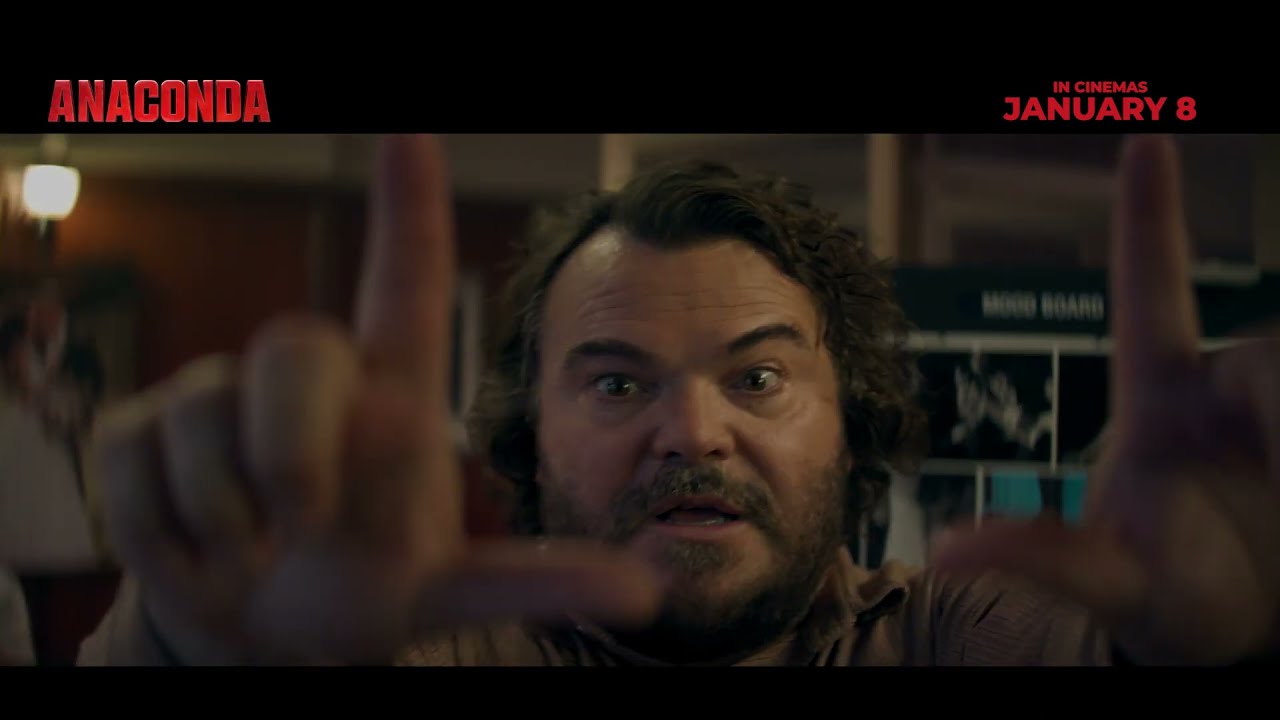
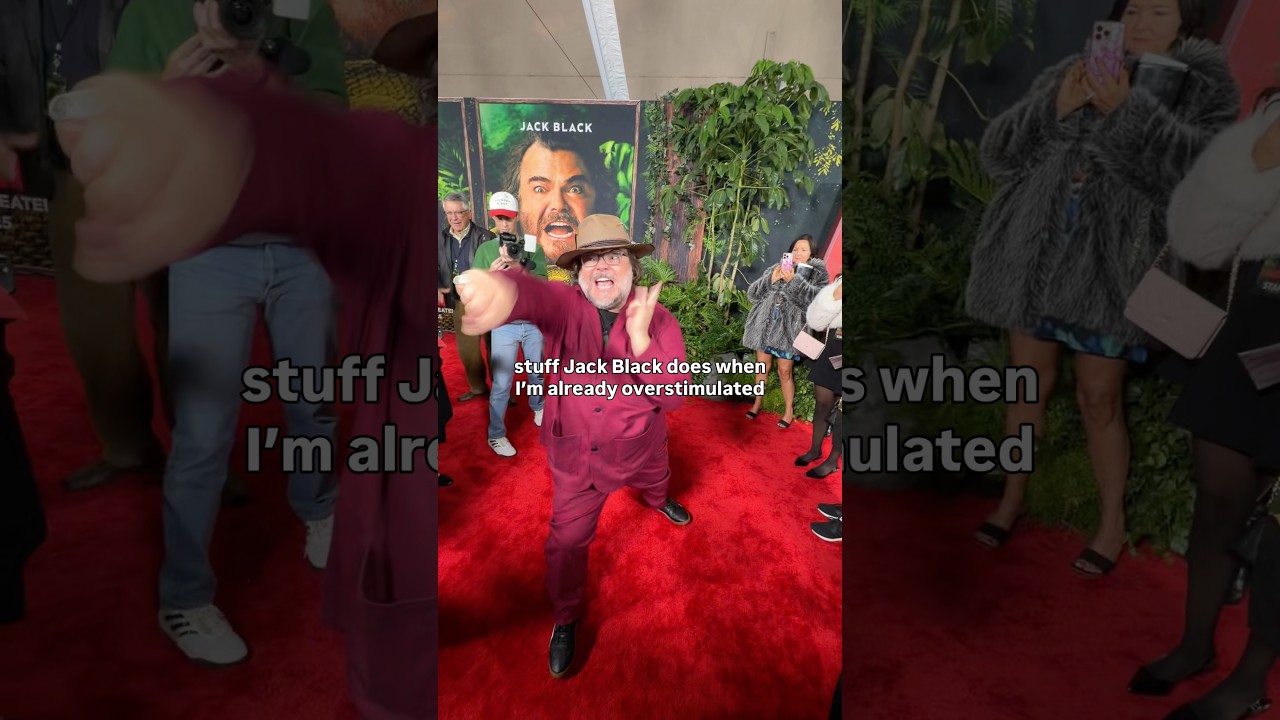
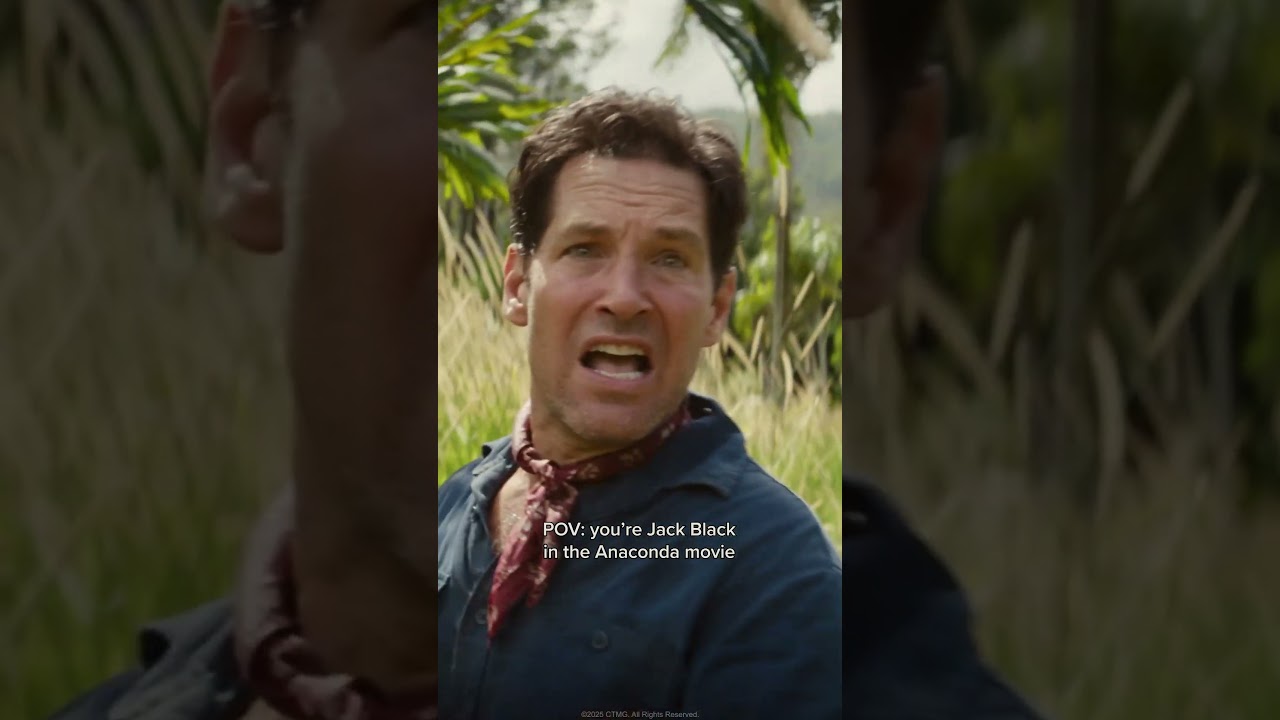
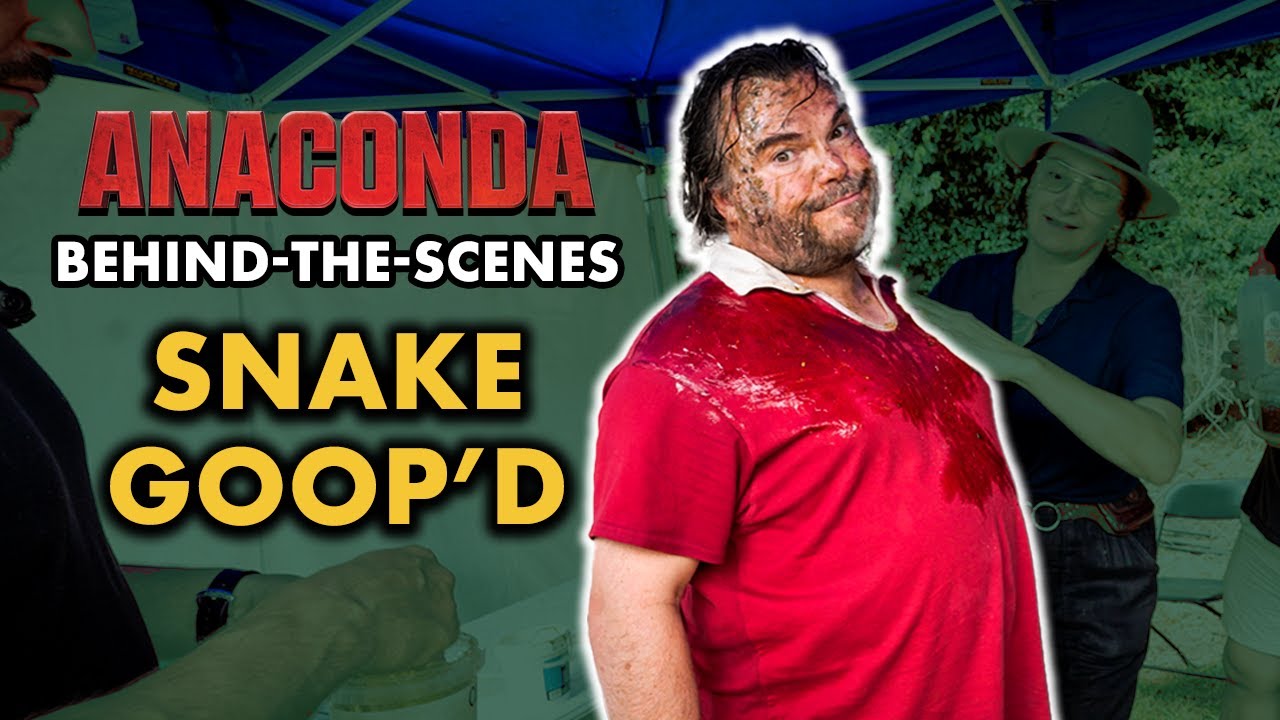
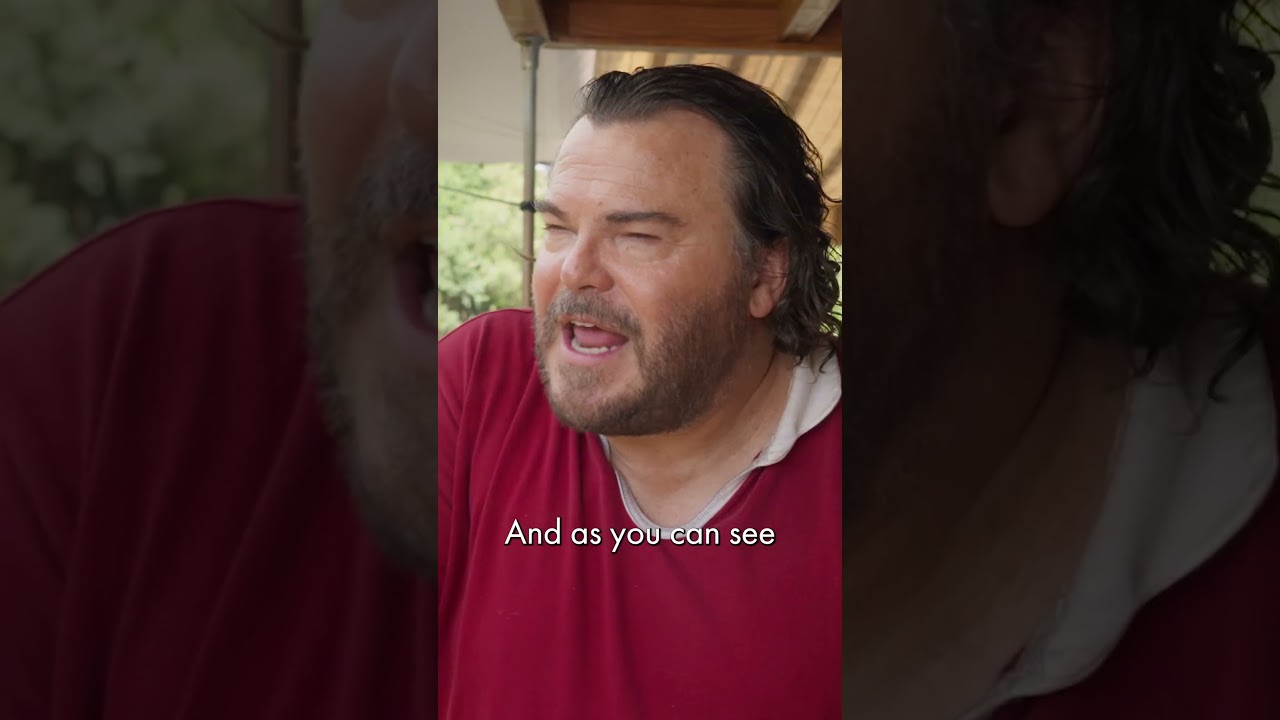
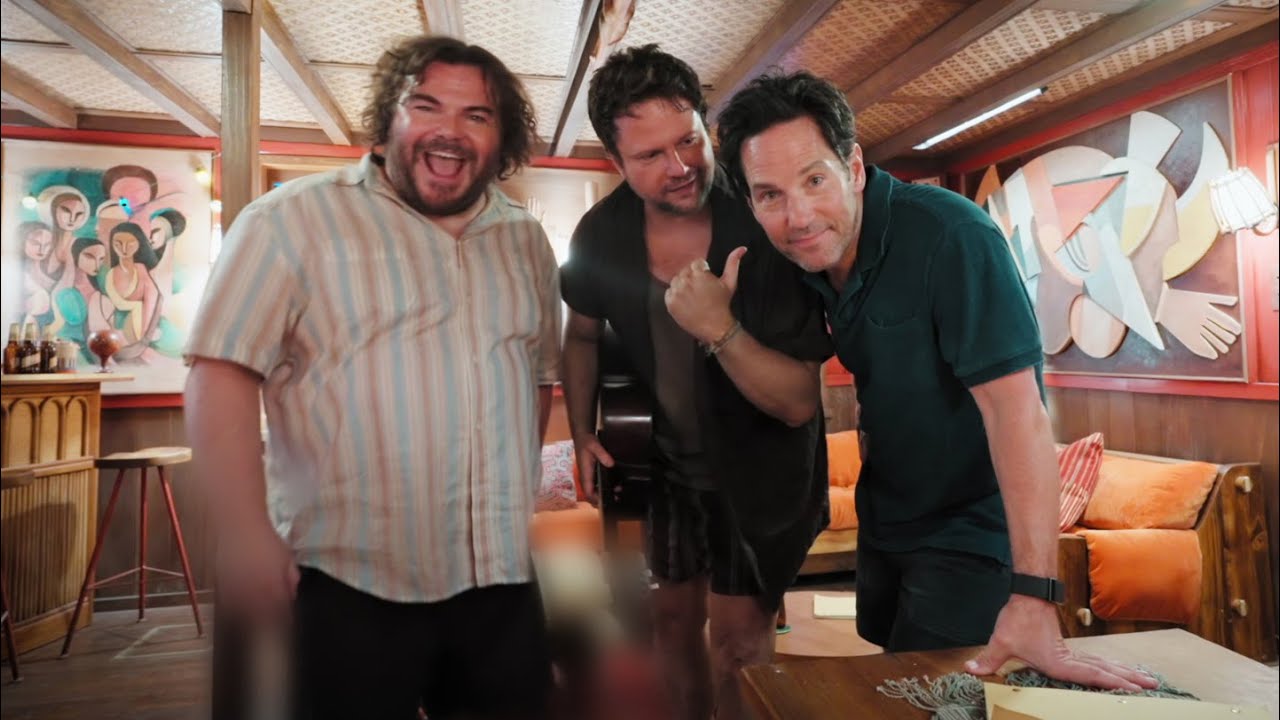
Jack Black’s casting was the masterstroke everyone questioned until they saw the film. Black has spent recent years trying to prove he’s more than just his signature brand of chaotic energy, but Anaconda recognized that energy as an asset. His performance walks the razor’s edge between comedy and genuine jeopardy, making you believe he’s both ridiculous and in actual danger.
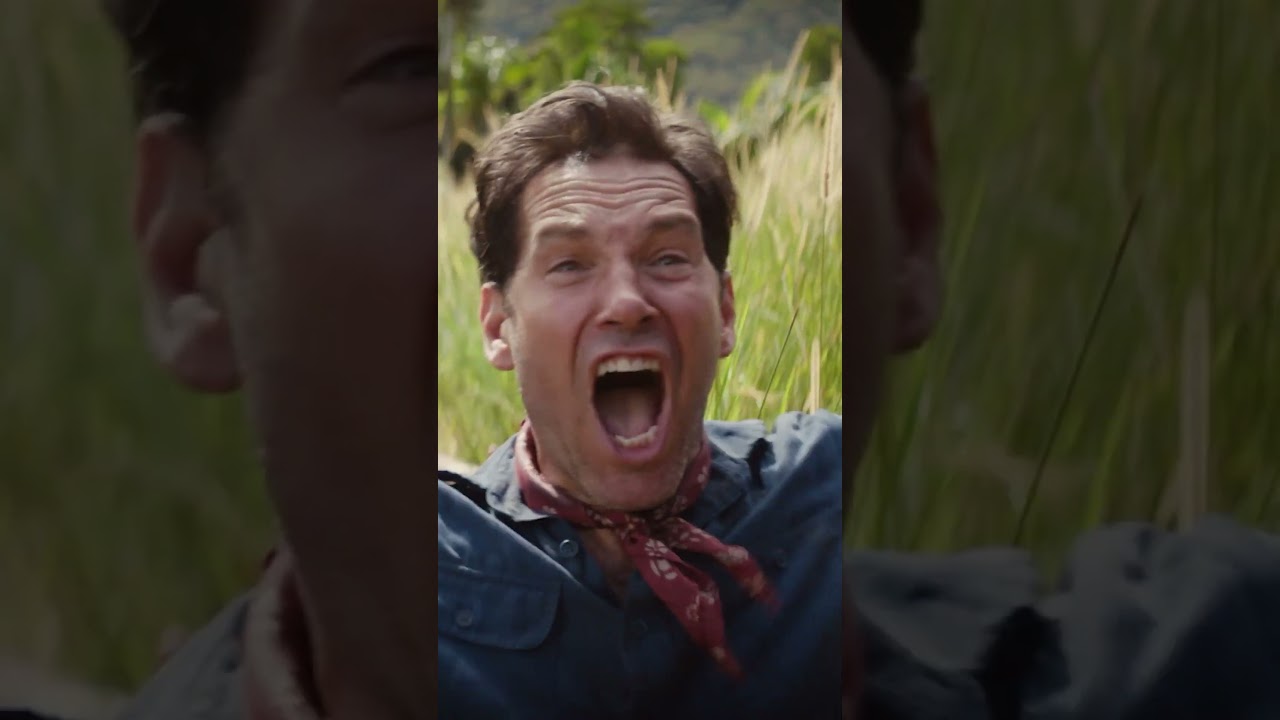
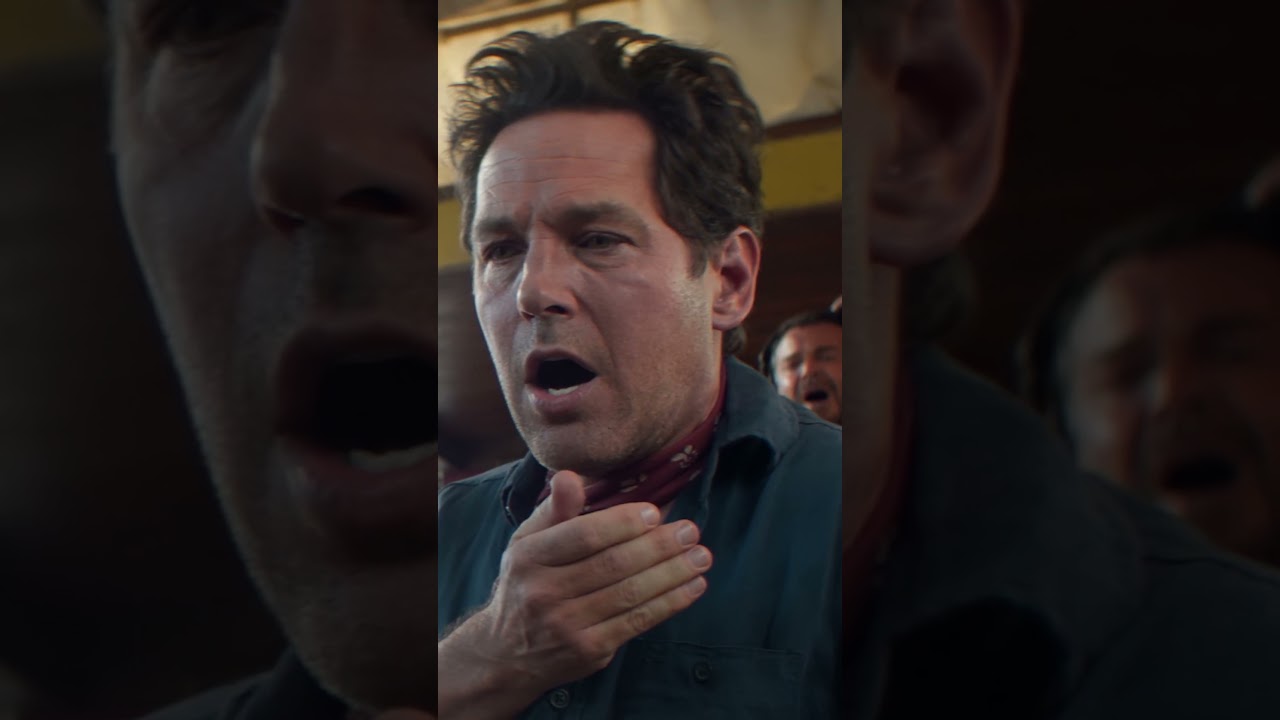
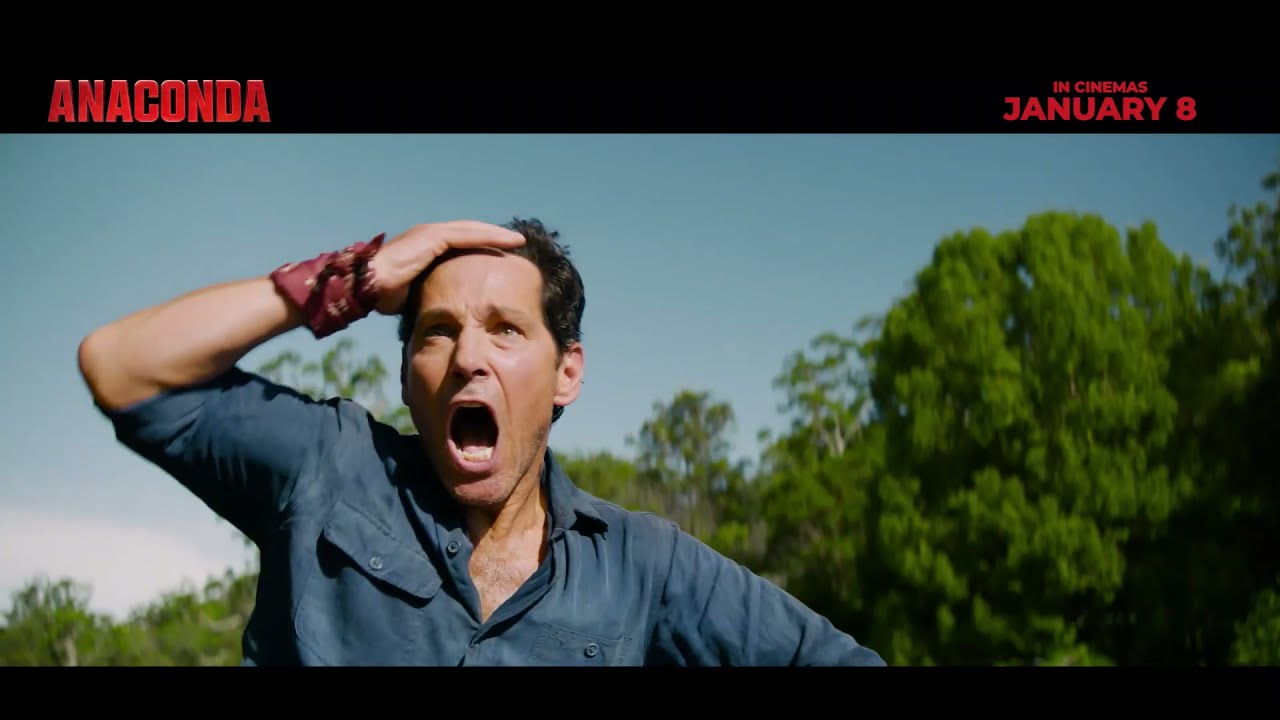
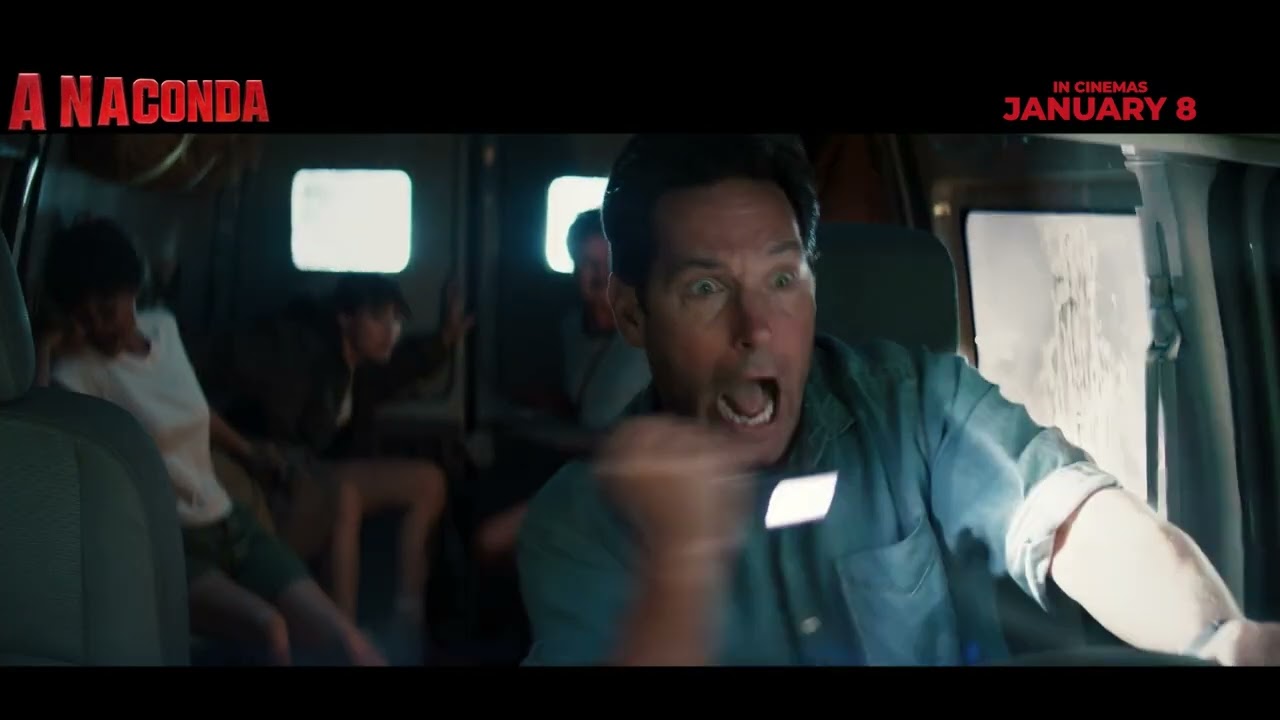
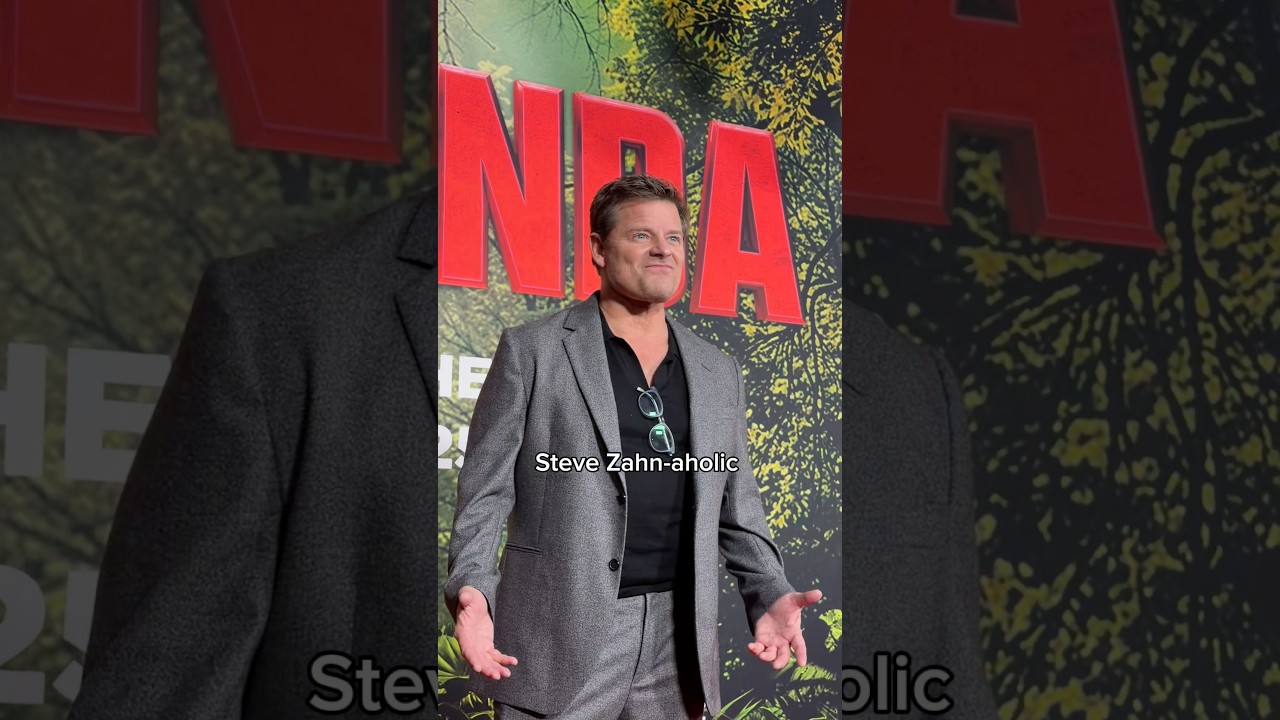
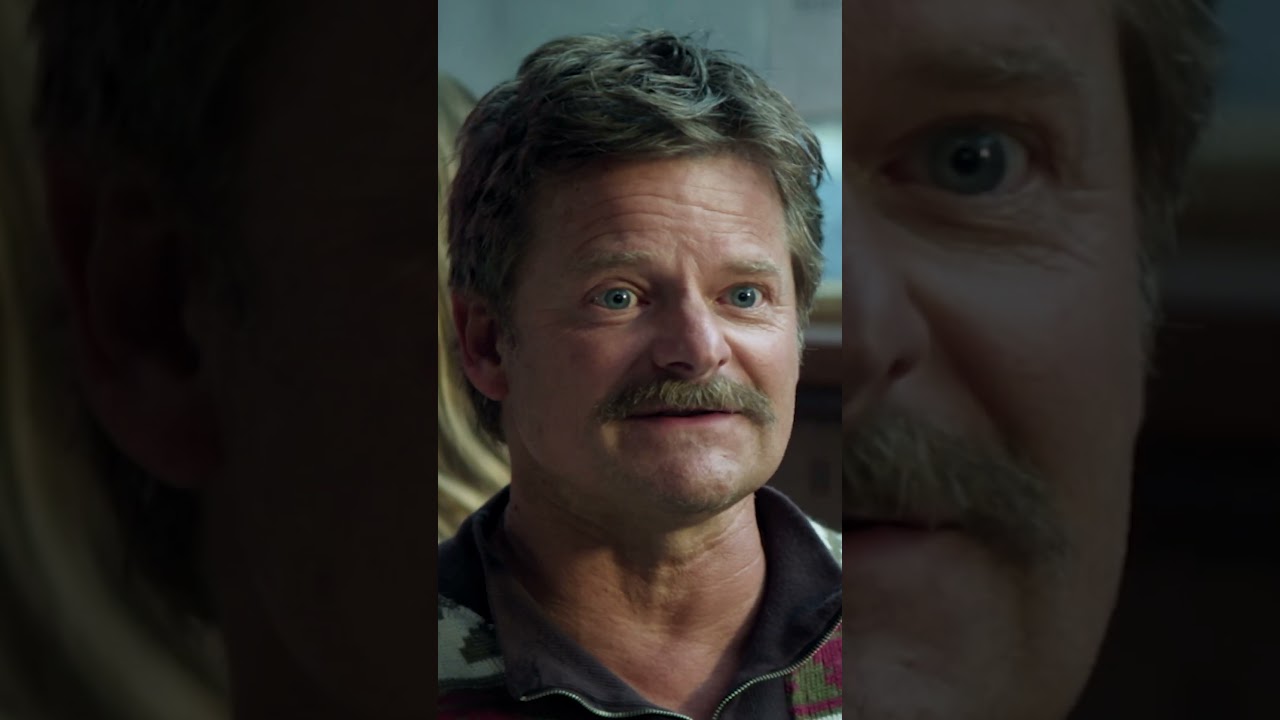
Paul Rudd brought his particular brand of exhausted charm—the “I can’t believe I’m in this situation” everyman who somehow makes you root for him regardless. And Steve Zahn, often underutilized in big productions, finally got a role that let him show why he’s such a reliable character actor. The three of them created a comedic triangle that gave the film its emotional core.
What’s most interesting about Anaconda‘s critical reception is how it reflects a broader shift in how audiences engage with genre cinema. The film landed at a 5.9/10 rating, which on paper sounds middling—and honestly, that’s probably fair. This isn’t a perfectly crafted film by any traditional measure. But that score obscures something important: the gap between critical consensus and audience enjoyment has rarely been wider for adventure-comedies.
Critics often struggled to decide if the film was “too jokey” or “not smart enough,” while audiences just… had fun. They appreciated that the film respected their intelligence enough to make fun of the very tropes it was utilizing.
- The film’s cultural staying power will likely surprise people — Adventure-comedies rarely age well, but Anaconda has something structural working in its favor: it’s commenting on the adventure-comedy genre itself, which means it becomes more relevant as the genre continues to evolve.
- It proved that legacy IP doesn’t need to be slavishly reverent — Future reboots will look at this film’s financial success and understand that audiences don’t want the same movie again. They want your take on it.
- Jack Black’s career got a meaningful reset — This wasn’t a dumb part for a funny guy; it was a showcase for intelligence disguised as chaos.
Where Anaconda matters most is in its complete comfort with itself. In an era where so many franchise films are desperately trying to be taken seriously, this movie came out at Christmas swinging a rubber snake and refusing to apologize for the spectacle.
It made a hundred million dollars doing so. That’s not a fluke—that’s a market correction. Audiences were tired of cinematic shame, and Anaconda gave them permission to just enjoy the ride.