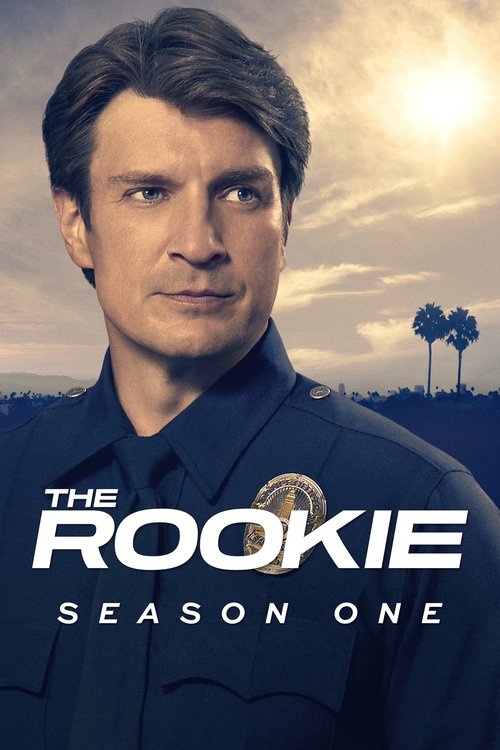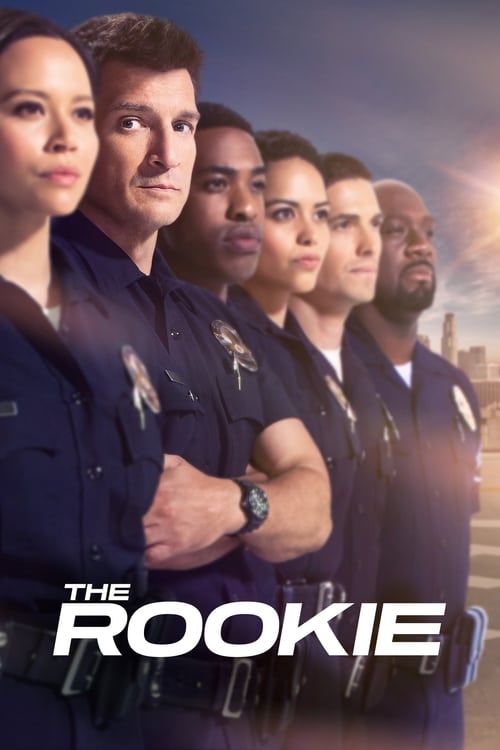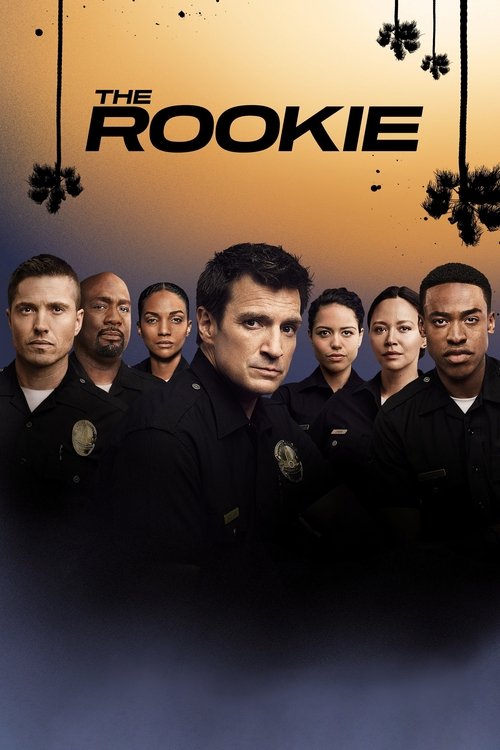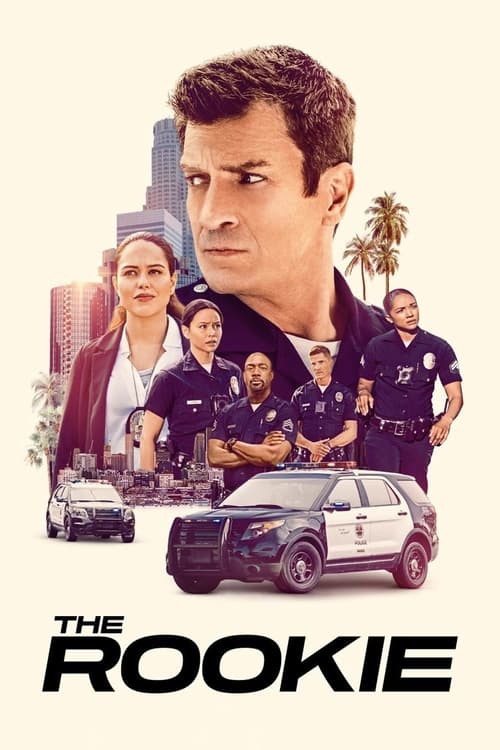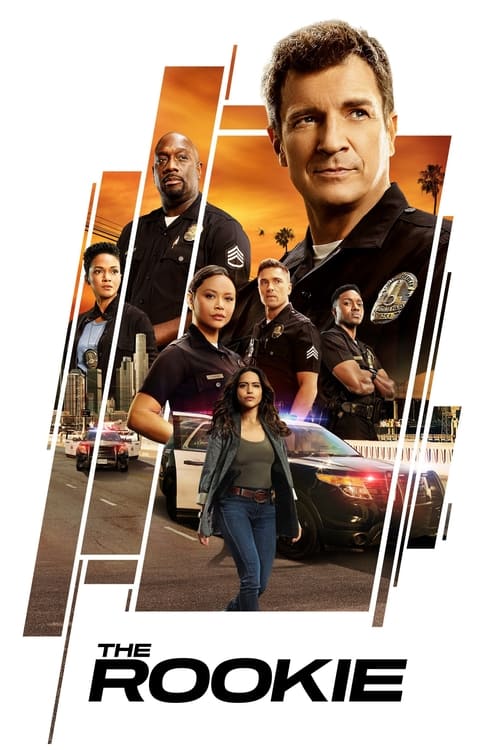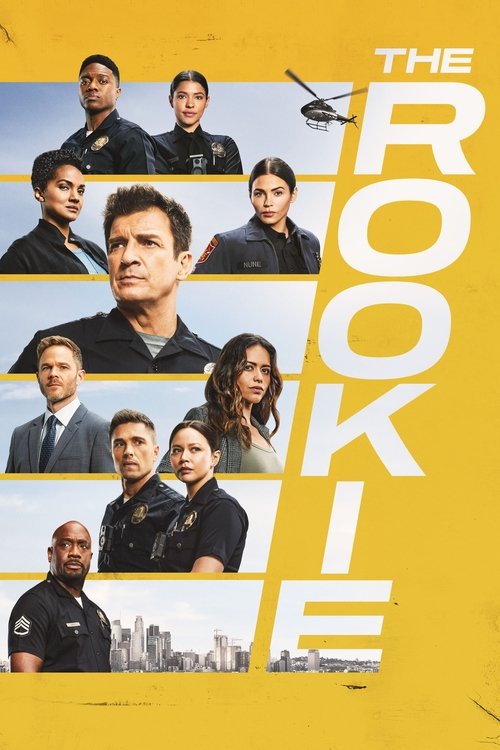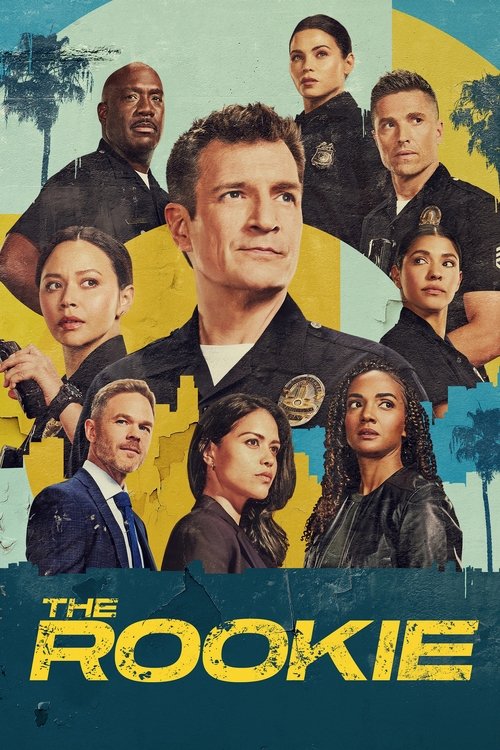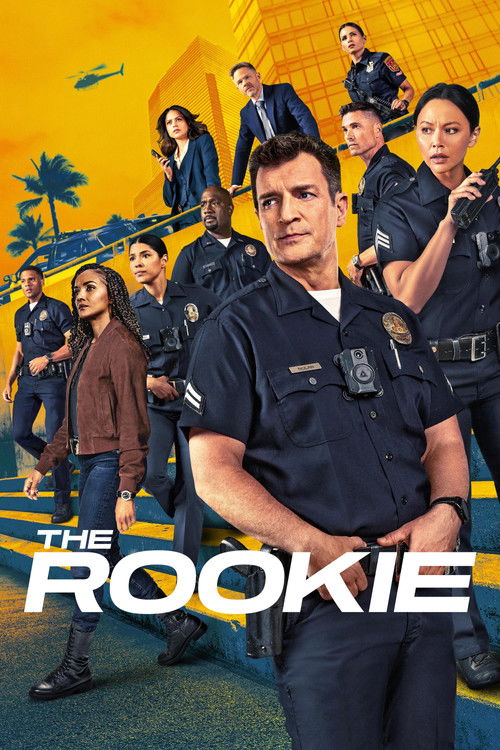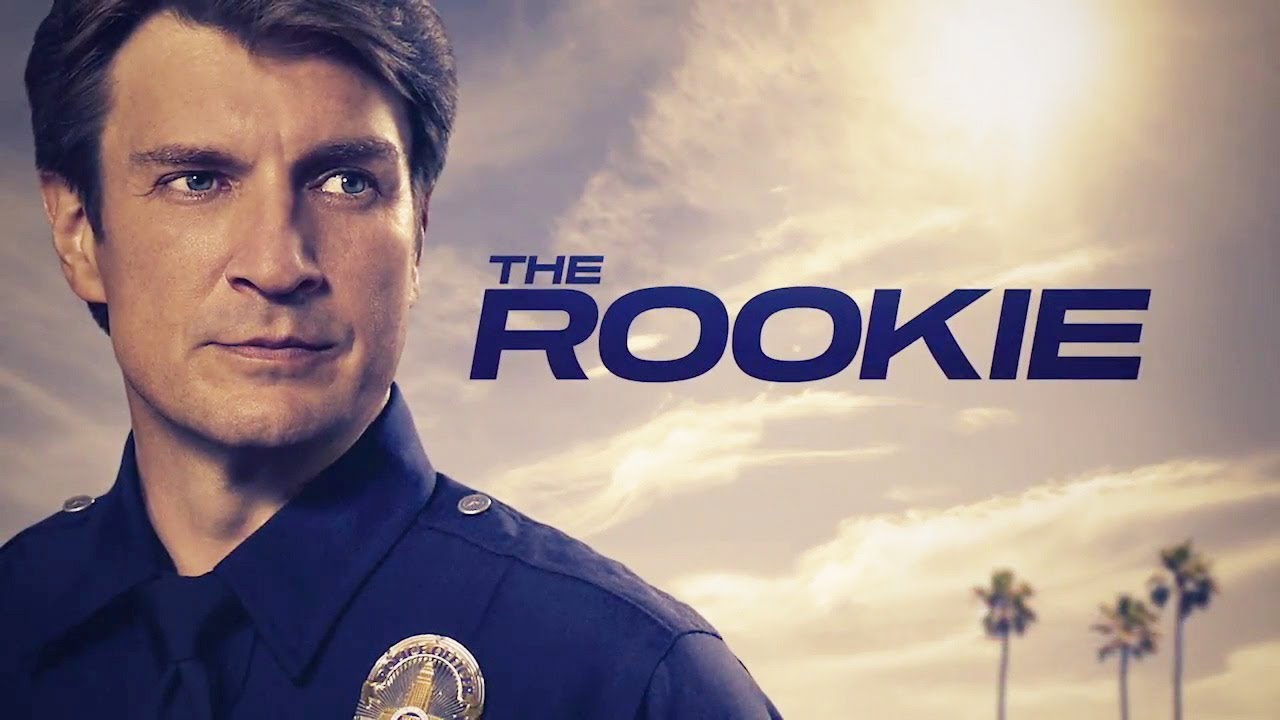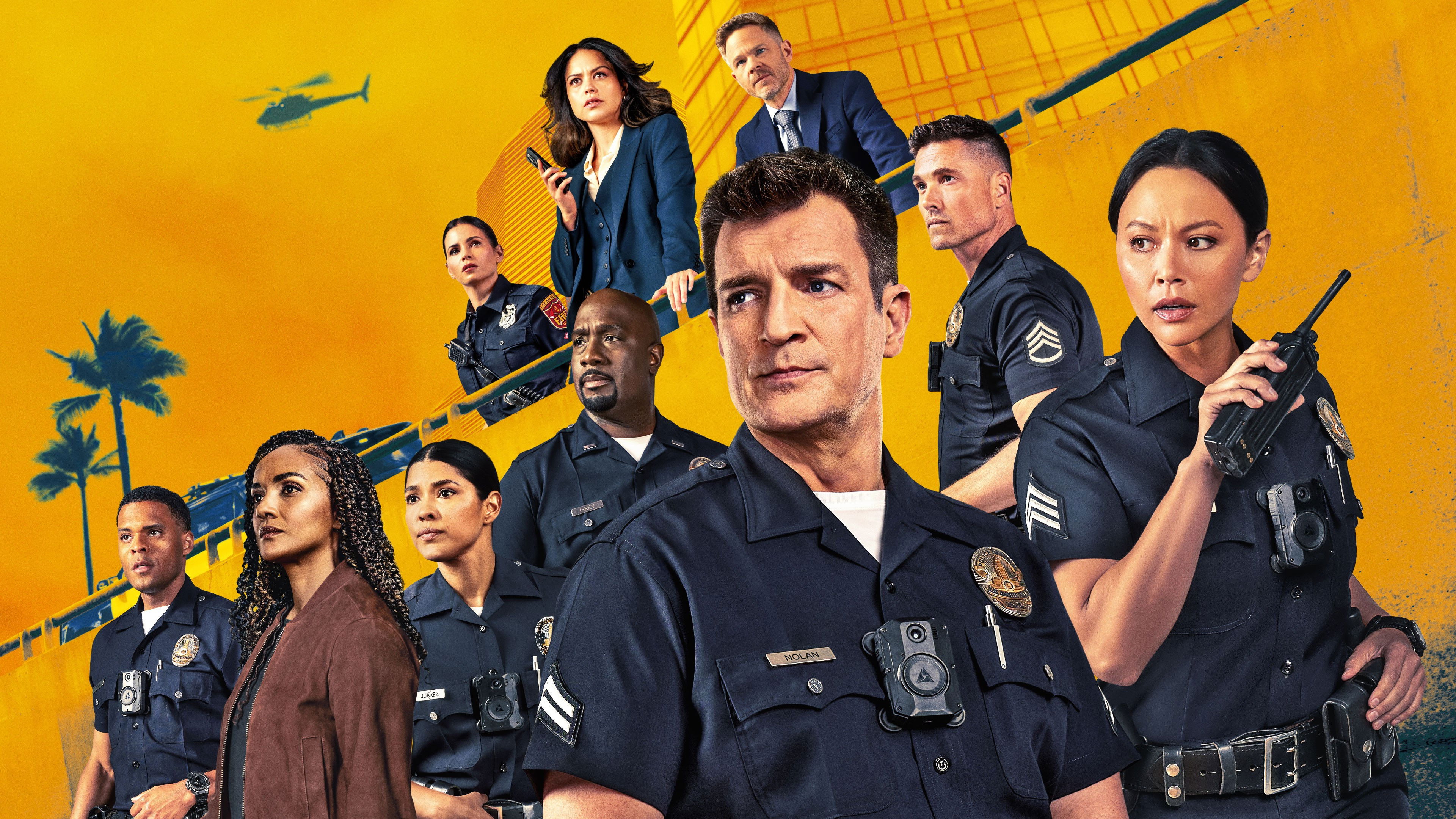
When The Rookie debuted on ABC back in October 2018, it arrived with a premise that felt both refreshingly simple and genuinely compelling: what if the person pursuing their dream of becoming a police officer wasn’t a twenty-something hotshot, but rather a middle-aged man starting completely from scratch? That core concept, developed by Alexi Hawley, became the beating heart of a show that would go on to accumulate 132 episodes across eight seasons, proving that sometimes the best stories come from asking “what if?” in unexpected ways.
The genius of The Rookie lies in how it refuses to fit neatly into a single genre box. Yes, it’s absolutely a crime drama with procedural elements—there are cases to solve, suspects to interrogate, and genuine stakes involved in police work. But what separates it from the countless other cop shows cluttering the television landscape is its willingness to lean into comedy and character-driven storytelling with equal enthusiasm. That tonal balance isn’t accidental; it’s the show’s secret weapon.
The show struck a nerve because it was fundamentally about second chances and defying expectations. John Nolan’s journey resonated with audiences in a way that traditional “by-the-book” police procedurals simply couldn’t match. Here was a protagonist dealing with real insecurities, genuine physical challenges that come with age, and the deeply human experience of starting over when everyone assumes you should already have it figured out.
What’s particularly noteworthy about The Rookie‘s eight-season run is how it maintained critical respect and audience engagement over time. With an 8.5/10 rating that reflects consistent viewer satisfaction, the show demonstrated something increasingly rare in the current television landscape: staying power. That rating wasn’t achieved through a single breakout season—it’s the result of Hawley and his writing team crafting stories that kept people invested.
The show’s availability across multiple platforms tells you something important about its cultural reach. Streaming on Hulu, fuboTV, YouTube TV, and Philo means that The Rookie transcended the traditional ABC broadcast bubble. This kind of distribution accessibility became crucial to its longevity, particularly as viewing habits fragmented across the industry. The show found audiences wherever they were watching television.
What made the early seasons especially potent:
- The fish-out-of-water dynamic between Nolan and his younger fellow officers created genuine comedy without undermining dramatic tension
- The procedural format allowed for self-contained stories while building overarching character development
- Supporting cast chemistry transformed potential stereotypes into fully realized, compelling characters
- The willingness to address real consequences meant that humor never cheapened the serious elements
The cultural footprint of The Rookie extended beyond typical crime drama fandom. It sparked conversations about ageism in professional spaces, about whether our preconceptions about who “belongs” in certain fields are fair, and about the possibility of meaningful reinvention. These weren’t preachy conversations either—they emerged naturally from John Nolan’s lived experience on screen.
- Season 1-2 era represented the show at its most focused and creatively potent, when the novelty of the premise remained fresh and the writing team seemed particularly sharp
- Mid-run seasons tested whether the show could sustain its appeal while expanding its cast and deepening its mythology
- Later seasons faced the challenge many long-running dramas encounter: balancing character evolution with franchise stability
Some shows peak early and spend their remaining seasons coasting on residual goodwill. The Rookie has largely avoided that trap by continuing to evolve its central dynamics while respecting what made audiences fall in love with the show initially.
The comedy-drama hybrid approach deserves special attention. Too many shows try to balance these tones and end up undermining both. The Rookie found a sweet spot where the humor feels earned and organic to character moments, never undercutting genuine drama when stakes actually matter. That’s deceptively difficult to execute consistently across 132 episodes.
Hawley’s creative vision established something from day one: The Rookie would be about real people doing real work, with all the complications that entails. The fact that runtime remained a variable element throughout the show’s run suggests flexibility in storytelling approach—some episodes needed more breathing room than others, and the show refused to force a standardized length when narrative required something different.
As we sit with The Rookie continuing as a returning series, it’s worth acknowledging what it accomplished. It proved that network television could still develop compelling, enduring dramas that didn’t require gimmickry or prestige drama aesthetics to matter. It showed that audiences connected with characters defined by their growth and vulnerability, and that a procedural framework could serve genuine character development rather than constrain it. That’s the kind of show-crafting that deserves recognition—not because it reinvented television, but because it excelled at what good television should always do: tell stories about people we care about, in ways that entertain and move us.