When Five Nights at Freddy’s 2 was released on December 3rd, 2025, it arrived with something rare in horror cinema: genuine cultural momentum backed by undeniable box office numbers. The film opened to a staggering $63 million domestically—the biggest post-Thanksgiving debut ever recorded—and went on to gross $234.8 million worldwide against its $36 million budget.
But here’s what makes those figures actually matter: they represent something deeper than just commercial success. They show that Emma Tammi and her creative team managed to do what sequels rarely accomplish—they didn’t just capitalize on goodwill, they earned genuine audience investment in where this story was going next.
The first Five Nights at Freddy’s film introduced audiences to a fascinatingly weird property: a video game about security guard survival in an animatronic pizza restaurant, somehow transformed into legitimately effective horror cinema. It shouldn’t have worked.
The premise sounds absurd, even now. But Scott Cawthon’s original game had built such a devoted fanbase through years of lore-building and mystery-mongering that the foundation was there—audiences wanted to see this world explored seriously. Emma Tammi understood that assignment, and with the sequel, she deepened it.
What makes Five Nights at Freddy’s 2 significant isn’t just that it succeeded commercially. It’s that it demonstrated how to expand a horror universe without losing what made the original compelling:
- The tighter 1 hour 44 minute runtime showed discipline—refusing to bloat the story with unnecessary detours
- Josh Hutcherson’s Mike carried genuine emotional weight as a character trying to protect his sister while trapped in impossible circumstances
- Piper Rubio brought surprising depth to Abby, making her more than just “the kid character” that could’ve easily become annoying
- Elizabeth Lail and the supporting cast enriched the world without overshadowing the core relationship at the film’s heart
“You there?” The film’s tagline asks a simple question, but it cuts to something essential about why this franchise resonates. These aren’t just jump-scare machines—they’re lonely, broken things seeking connection. That’s genuinely unsettling in ways that transcend typical horror mechanics.
The critical reception told an interesting story. A 6.8/10 rating from 576 votes reflected that this wasn’t universally adored—some critics found the balance between fan service and genuine filmmaking imperfect. And they weren’t wrong.
The film operates in interesting tension between serving an existing fanbase and trying to tell a story that works for newcomers. That balancing act will never please everyone, and that’s actually fine. What matters is that Tammi refused to make a cynical cash-grab; she made a film that respects both the source material and the audience’s intelligence.
From a genre perspective, Five Nights at Freddy’s 2 contributed something valuable to modern horror:
- Proof that video game adaptations can work when filmmakers respect the source — not by recreating gameplay, but by understanding what makes the material matter
- A demonstration that horror doesn’t need cynicism — the film plays its story earnestly, which paradoxically makes the scares hit harder
- Evidence that franchise horror can evolve — moving beyond simple repetition into genuine narrative progression
The box office trajectory is worth examining more closely. Opening to $63 million in its first weekend, the film maintained remarkable legs throughout the holiday season and beyond. That’s not typical for horror, which often drops steeply after opening weekend.
The fact that audiences kept returning suggests word-of-mouth was genuinely positive, and families were discussing it—a rarity for the genre. The film carved out space for itself as both a genre horror film and something approaching event cinema, which is an incredibly difficult needle to thread.
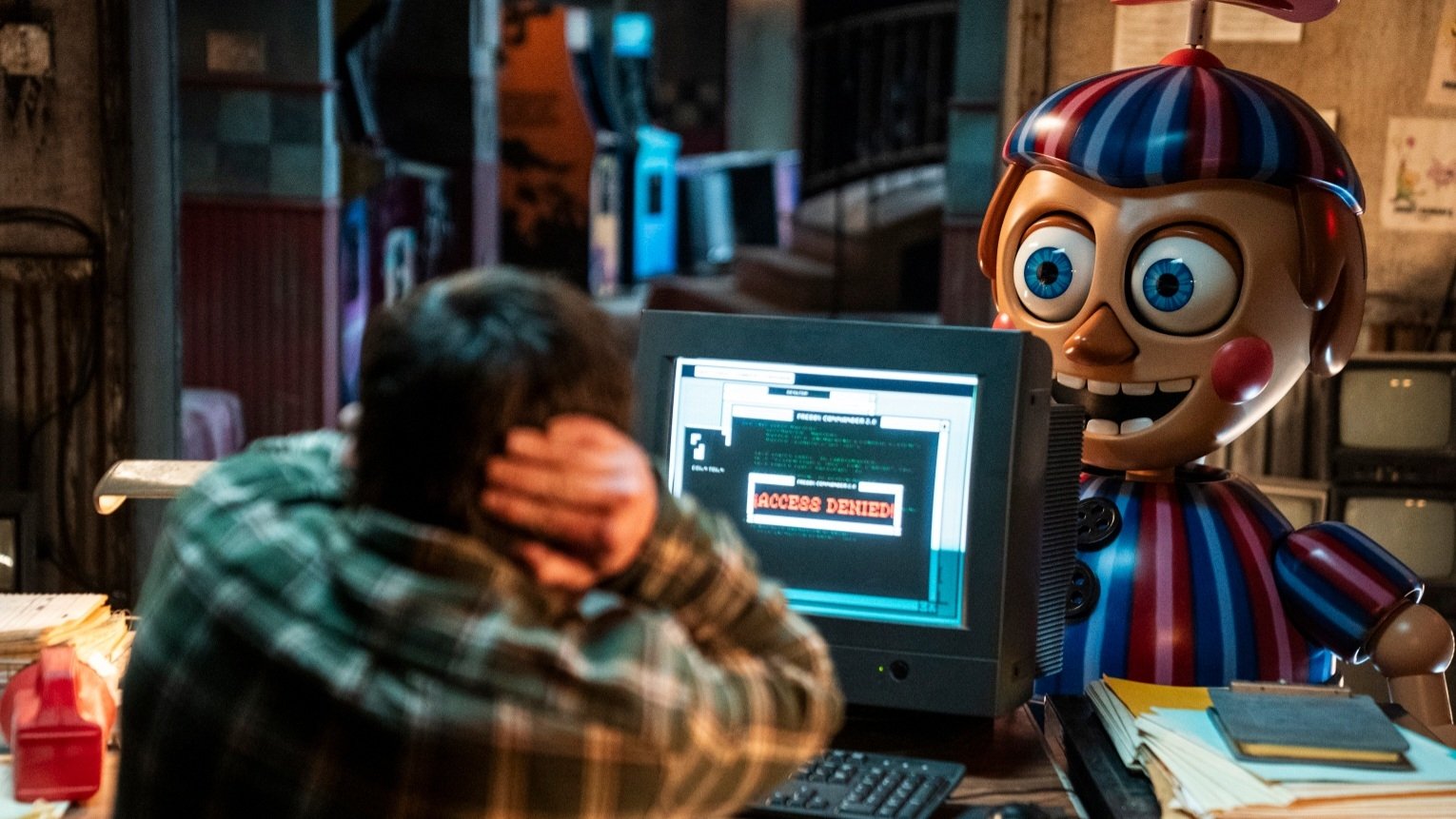
Emma Tammi’s direction became more assured here than in the first film. She understood the visual language of dread—those animatronics are inherently unsettling not because of jump scares, but because they exist in uncanny space between mechanical and organic.
She leaned into that discomfort, letting scenes breathe, letting silence do heavy lifting that sound design could’ve easily stolen. That’s restraint in a genre that often confuses volume with impact.
The casting choices deserve attention too. Josh Hutcherson could’ve phoned this in—he’s a star with bigger franchises to his name—but instead he delivered genuine vulnerability in a role that required him to be terrified and protective simultaneously.
Piper Rubio, less established in her career, matched him beat for beat, bringing authenticity to moments that could’ve felt contrived. Their on-screen sibling dynamic became the emotional anchor that justified everything else happening around them. When the scares came, they carried weight because we actually cared about these characters surviving.
What Five Nights at Freddy’s 2 will ultimately be remembered for, though, isn’t the box office or even the decent critical reception. It’s that it proved horror sequels don’t have to be diminishing returns. It showed that with smart filmmaking, strong casting, and genuine respect for your material, you can actually make something that honors what came before while pushing the story forward meaningfully.
In an era where horror franchises are becoming increasingly common, that’s a lesson worth remembering. This film matters because it cares, and in cinema, that usually shows.