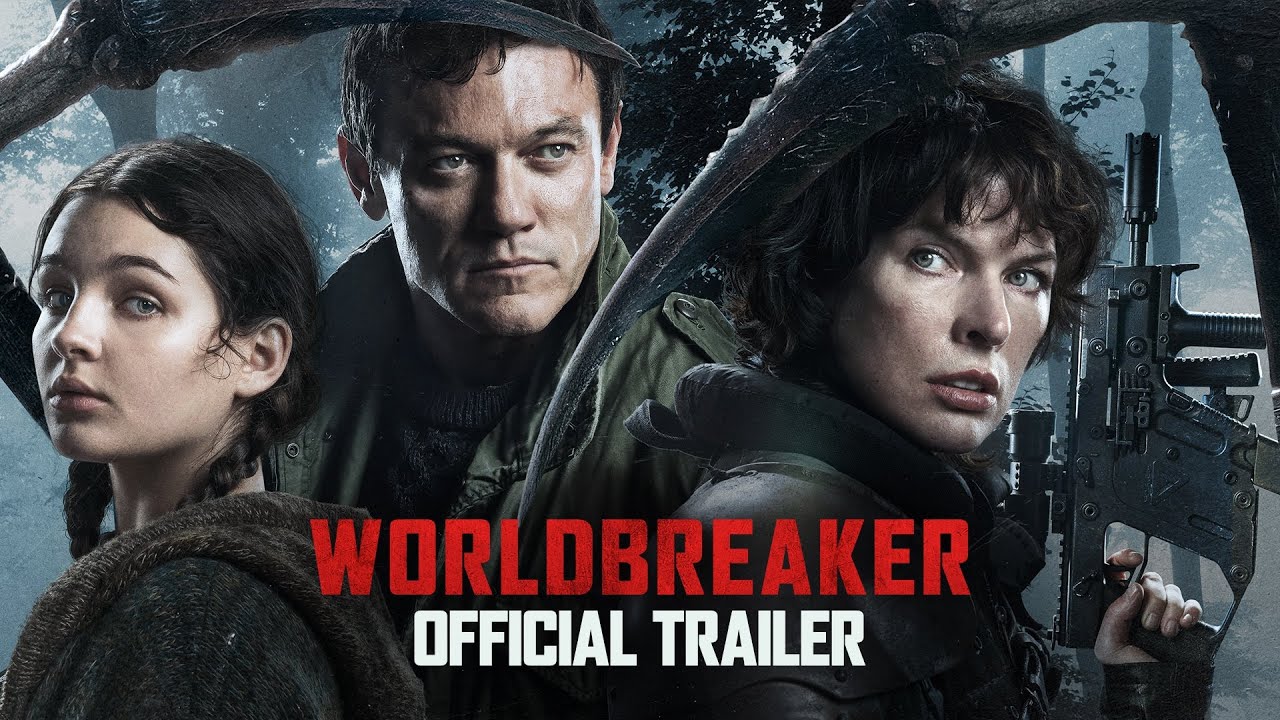
When Brad Anderson’s Worldbreaker premiered in late 2025, it arrived quietly into a crowded marketplace, which tells you something important about where this film ultimately landed. With a runtime of just ninety-five minutes and financial figures that remain largely unreported, this wasn’t the tentpole spectacle designed to dominate awards season or break box office records. Yet there’s something genuinely interesting happening in Anderson’s lean, efficient approach to science fiction storytelling. He’s made a film about the end of the world that moves like it has something urgent to say, refusing to linger on exposition or bloated set pieces. In our current moment, when blockbusters feel increasingly bloated and self-serious, there’s a certain courage in that restraint.
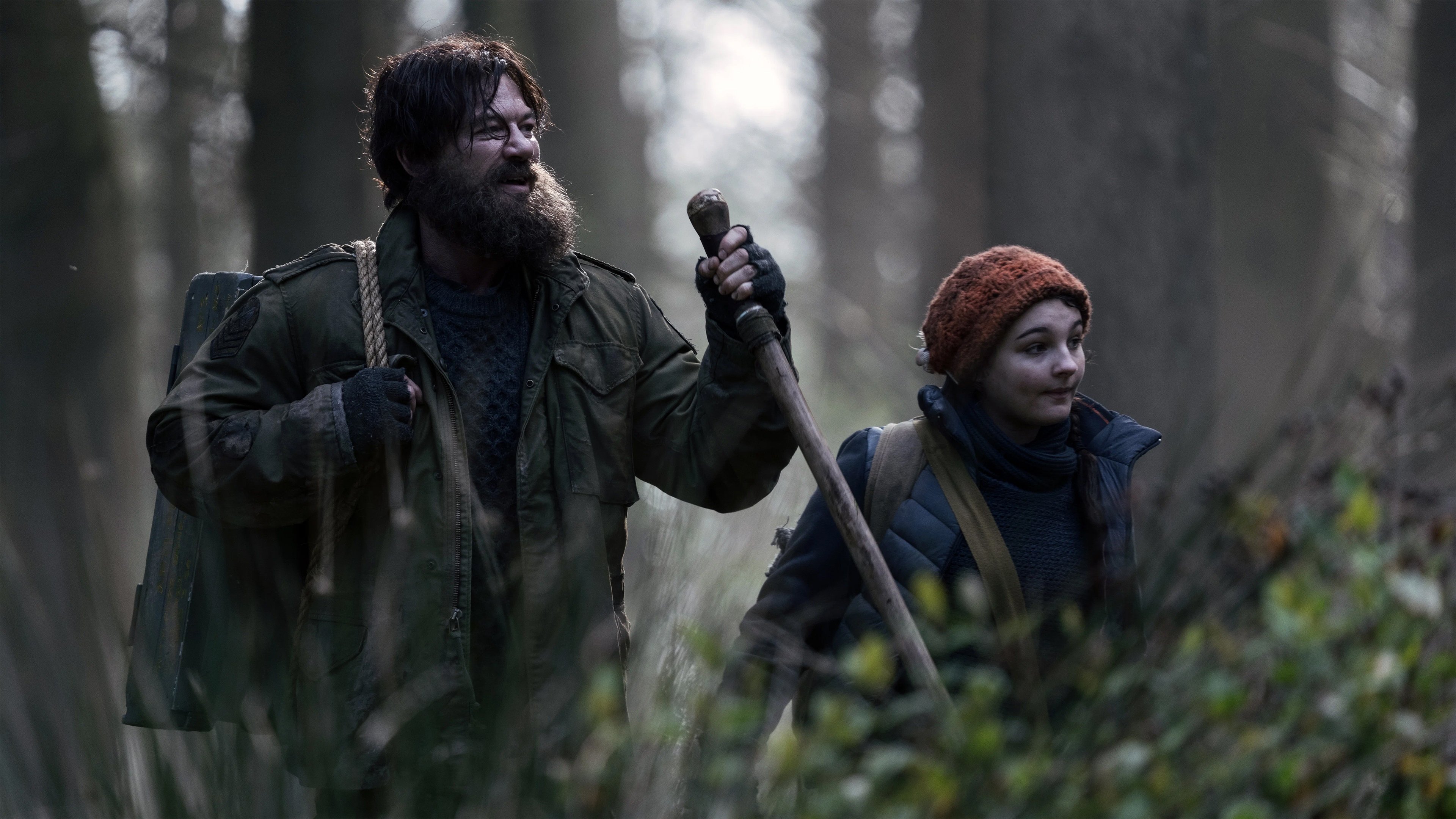
The film’s premise cuts straight to the emotional core of apocalyptic fiction. Imagine discovering your daughter is somehow connected to an interdimensional breach that’s unleashing creatures into our reality. That’s the hook, and instead of spinning it into a sprawling mythology, Anderson focuses on one father’s desperate attempt to prepare his child for a world that’s fundamentally broken. Milla Jovovich brings a weathered intensity to her role, and Luke Evans grounds the narrative in paternal desperation rather than hero mythology. The addition of younger talent like Billie Boullet suggests Anderson was genuinely interested in exploring how this threat plays out across generations, not just assembling star power.
The critical reception sits at a modest 6.2 out of 10, which is the kind of score that usually gets dismissed in industry chatter. But there’s something worth examining in that middling rating. These films often split critics and audiences in revealing ways. Some viewers connected deeply with Anderson’s willingness to treat the apocalypse as intimate rather than spectacular, while others clearly wanted more spectacle, more scope, more of everything. That division itself is interesting because it suggests Worldbreaker wasn’t trying to please everyone, which is increasingly rare in contemporary studio filmmaking.
What made this collaboration memorable was Anderson’s established sensibility as a director. He’s spent his career exploring psychological tension and character-driven drama within genre frameworks. His previous work demonstrates an ability to make ordinary situations feel unbearably tense, and you can sense that skill operating throughout Worldbreaker. When the film works, it’s because Anderson trusts his actors and the emotional stakes more than he trusts elaborate action sequences. Jovovich and Evans have genuine chemistry born from scenes of preparation and conversation, moments where the real horror isn’t what’s coming from the tear in reality but what a father must teach his daughter about survival.
The film’s cultural resonance, modest though it may be, connects to larger anxieties circulating through 2025 cinema about technological failure and reality itself fracturing. Worldbreaker emerged at a moment when audiences were increasingly processing stories about barriers breaking down, whether between worlds, between simulation and reality, or between human and artificial intelligence. Anderson’s film taps into that unease without becoming preachy or heavy-handed about it. The creatures remain largely mysterious, a visual threat rather than a metaphorical sermon.
Looking at Worldbreaker’s place in Anderson’s filmography and in science fiction cinema more broadly, what endures is his commitment to human-scale stakes even when dealing with world-ending scenarios. The film won’t revolutionize the genre or inspire a dozen imitators. It probably won’t appear on best-of lists or generate extended critical discourse. But for viewers willing to meet it halfway, willing to sit with a ninety-five-minute film that prioritizes character over spectacle, there’s something genuinely moving about watching a parent prepare their child for a world that’s fundamentally changed. In an era of franchise bloat and narrative excess, that kind of focused emotional storytelling deserves recognition, even when the numbers suggest most audiences passed it by.