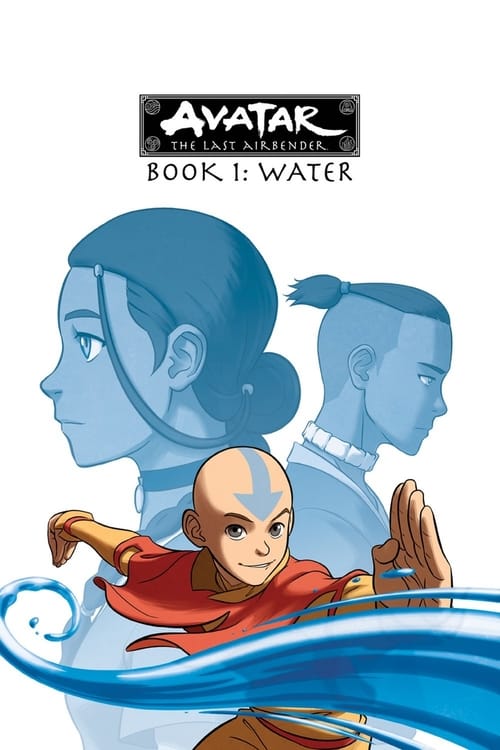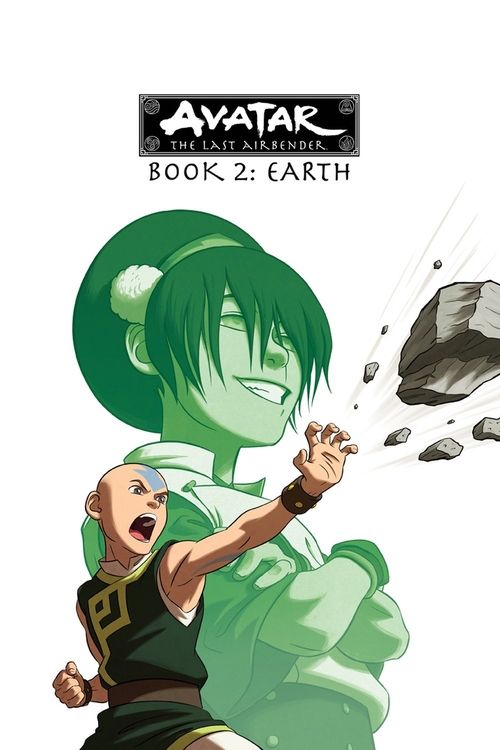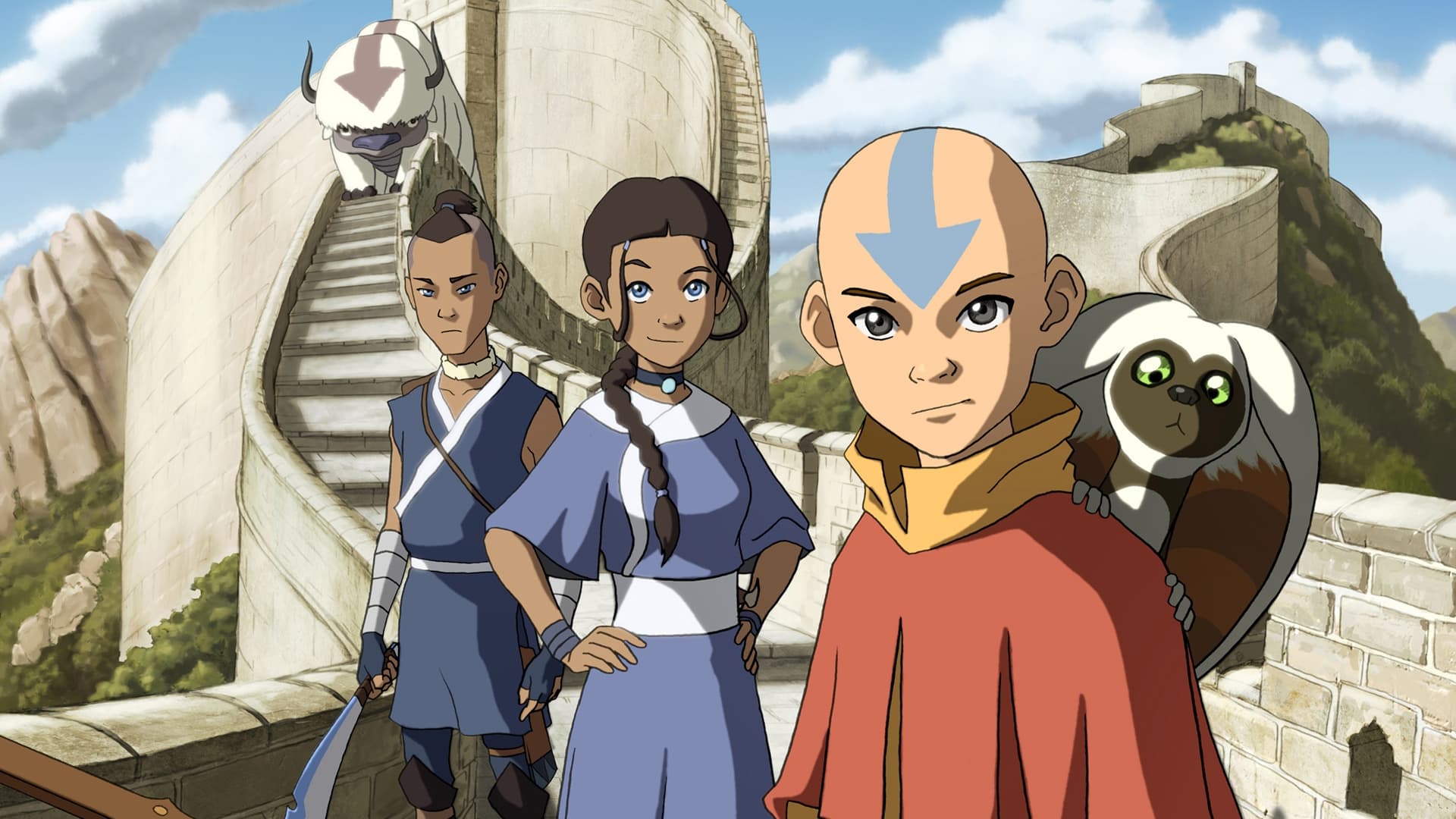
When Avatar: The Last Airbender first premiered on Nickelodeon back in 2005, nobody could have predicted it would become one of the most beloved animated series in television history. What creators Michael Dante DiMartino and Bryan Konietzko launched was something genuinely special: a show that proved animation wasn’t just for kids, but could deliver sophisticated storytelling that resonated across generations. The fact that it maintains an 8.8/10 rating from hundreds of thousands of viewers isn’t just a number—it’s a testament to how this series has endured and only grown in appreciation since its conclusion.
The genius of Avatar lies in how it weaponized its format constraints to tell a more powerful story. With just 61 episodes spread across three seasons and each installment clocking in at around 24 minutes, DiMartino and Konietzko had to be absolutely surgical with their narrative. There’s no filler here, no bloated season arcs that lose momentum. Instead, every episode builds toward something larger, creating a tightly plotted epic that feels both intimate and grand. That discipline is rare, especially in animation where you might expect creators to stretch things out unnecessarily.
What really sets this show apart is how it blended genres in a way that felt fresh and inevitable. By combining Action & Adventure with Science Fiction and Fantasy elements, Avatar created its own vocabulary—a world with elemental magic systems, advanced societies, and genuine stakes that kept audiences genuinely invested. The show respected its mythology. When it established rules about bending, about the spirit world, about balance, it actually followed them. That consistency built trust with the audience, which is something you can’t manufacture.
Culturally, Avatar became a phenomenon that transcended typical television boundaries. It sparked conversations about representation, storytelling structure, and what animation could achieve artistically. Moments from the series became iconic touchstones in internet culture and fan communities that remain active nearly two decades later. The show didn’t just entertain—it created a shared language for millions of viewers to discuss themes of redemption, responsibility, friendship, and identity. That’s the hallmark of something truly significant.
The character development arc across the three seasons is perhaps where the show’s brilliance shines brightest. Watching Prince Zuko’s journey from antagonist to something far more complex unfolds with a patience and nuance that most live-action dramas would envy. The show never cheated its emotional beats. When characters grew, changed, or failed, those moments landed because we’d been invested in them since episode one. That investment is what transformed casual viewers into devoted fans who still revisit the series years later.
What’s remarkable is how Avatar managed to maintain quality and momentum right through to its conclusion. Not every show sticks the landing—in fact, most struggle under the weight of their own mythology by their final chapters. Yet Avatar wrapped up its story in a way that felt earned rather than convenient, bringing thematic resolution while leaving room for the expanded universe that would eventually emerge. The show proved that sometimes the best creative choice is knowing when to end while you’re still at your peak.
Today, with the series available across Netflix, Paramount Plus, and Apple TV, new audiences discover Avatar constantly. They experience what made this show revolutionary without the context of how rare it was at the time. That accessibility has only cemented its legacy. It’s a show that works as pure entertainment, but also rewards deeper analysis of its storytelling craft, visual design, and thematic ambition. Nineteen years later, it remains the gold standard for what animation can accomplish.