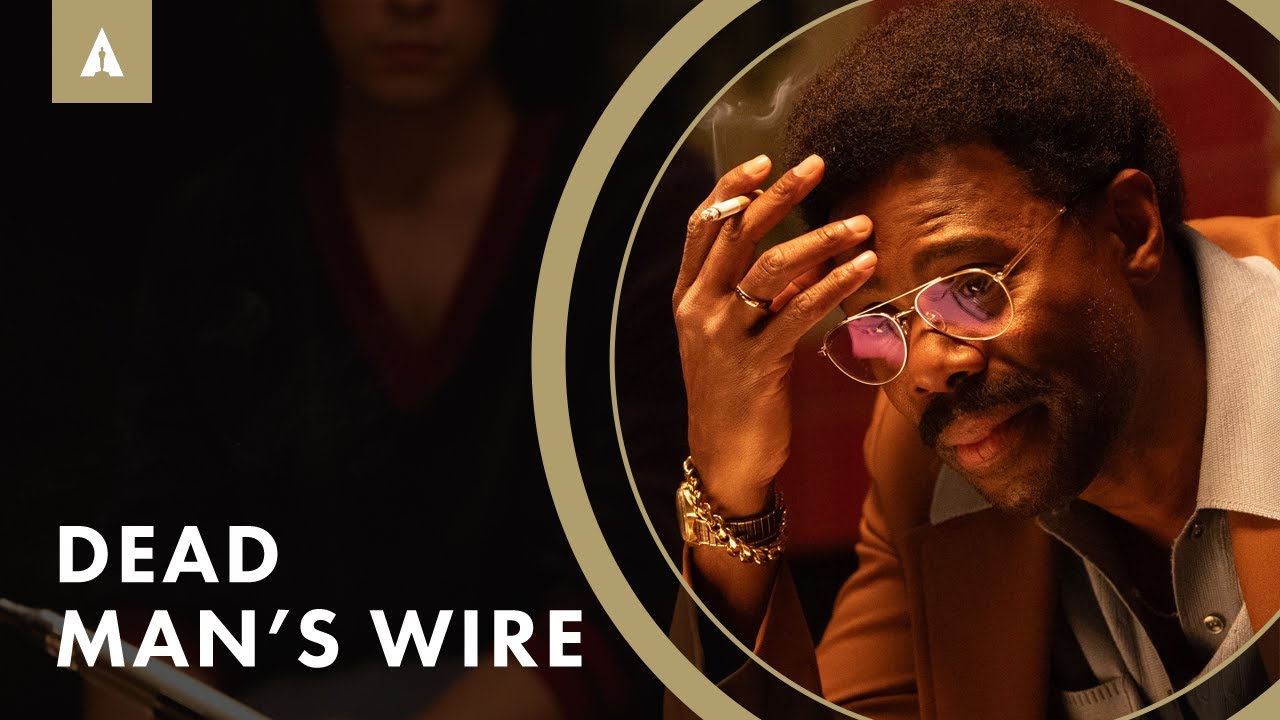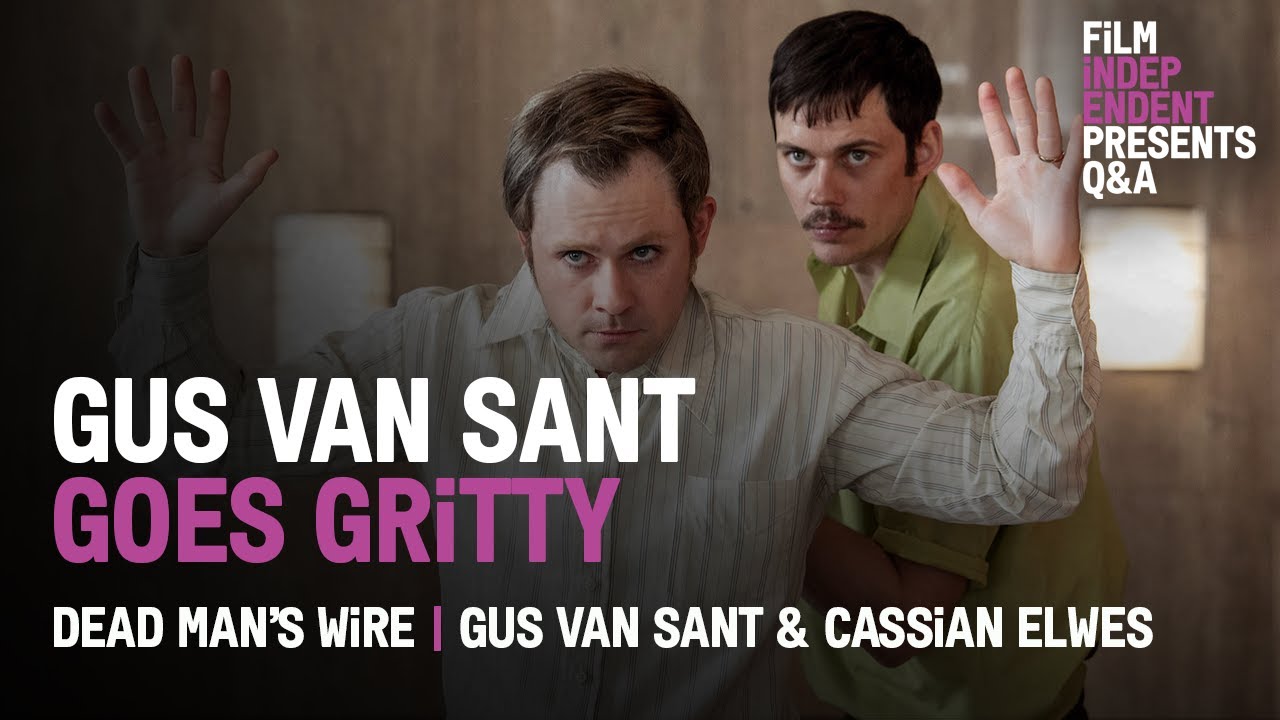
There’s something about a Gus Van Sant film that makes you sit up and pay attention, and Dead Man’s Wire is no exception. This 2025 thriller arrived with the kind of buzz that reminds you why film festivals still matter. When Van Sant brought this hostage drama to Venice, audiences responded with an eleven-minute standing ovation—the kind of moment that doesn’t happen by accident. Here’s a film that understands something fundamental about cinema: that the most compelling stories are often rooted in real human desperation, not Hollywood fantasy. Van Sant has always been drawn to the margins of society, to characters the mainstream prefers to ignore, and Dead Man’s Wire continues that tradition while pushing deeper into uncomfortable territory.
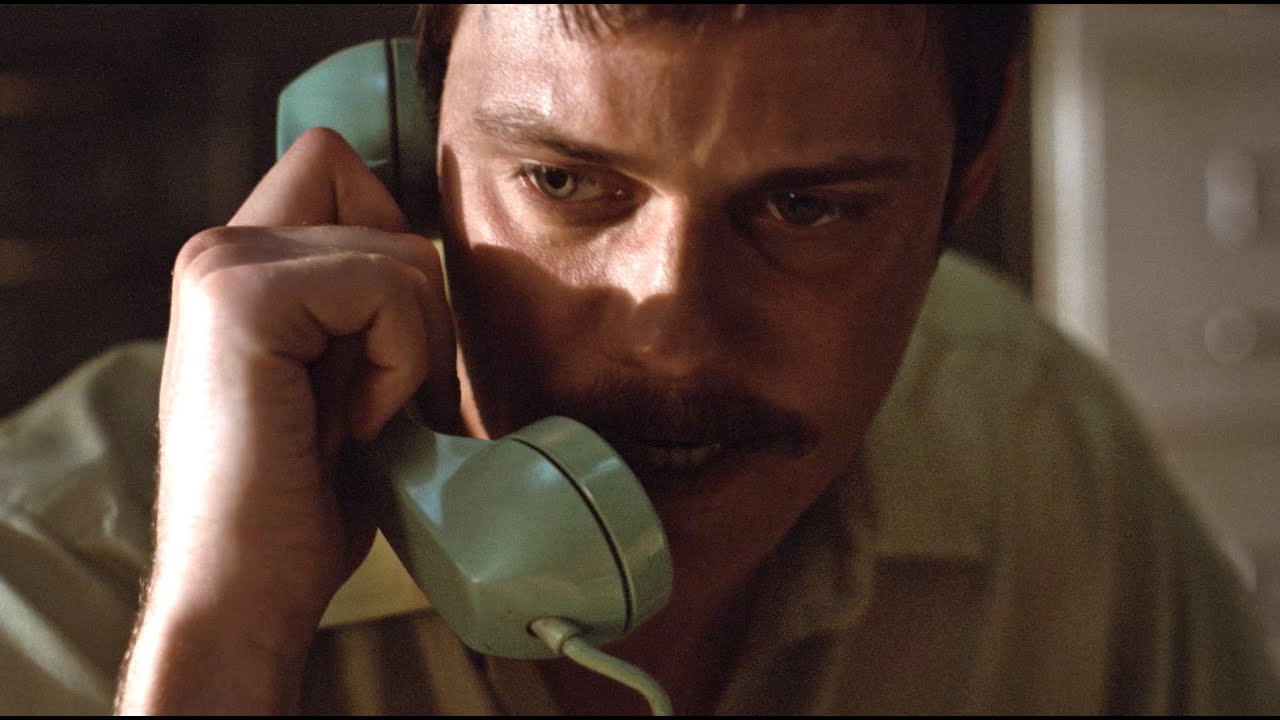
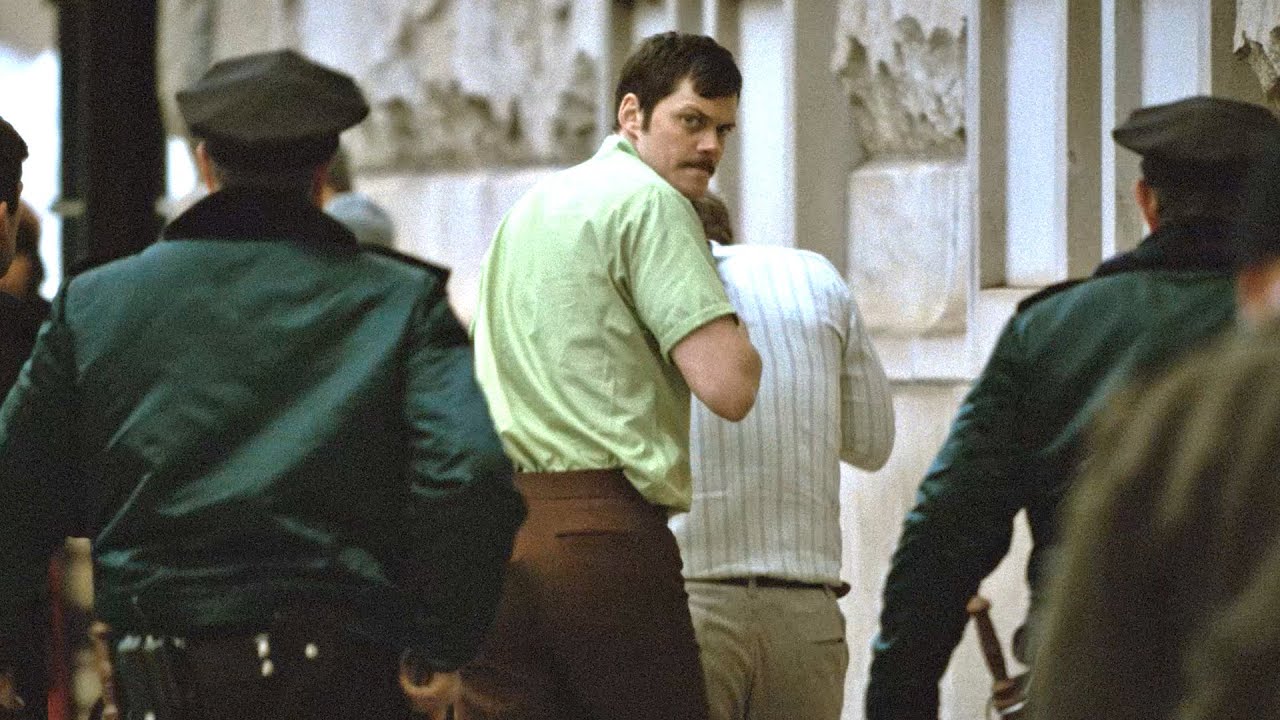
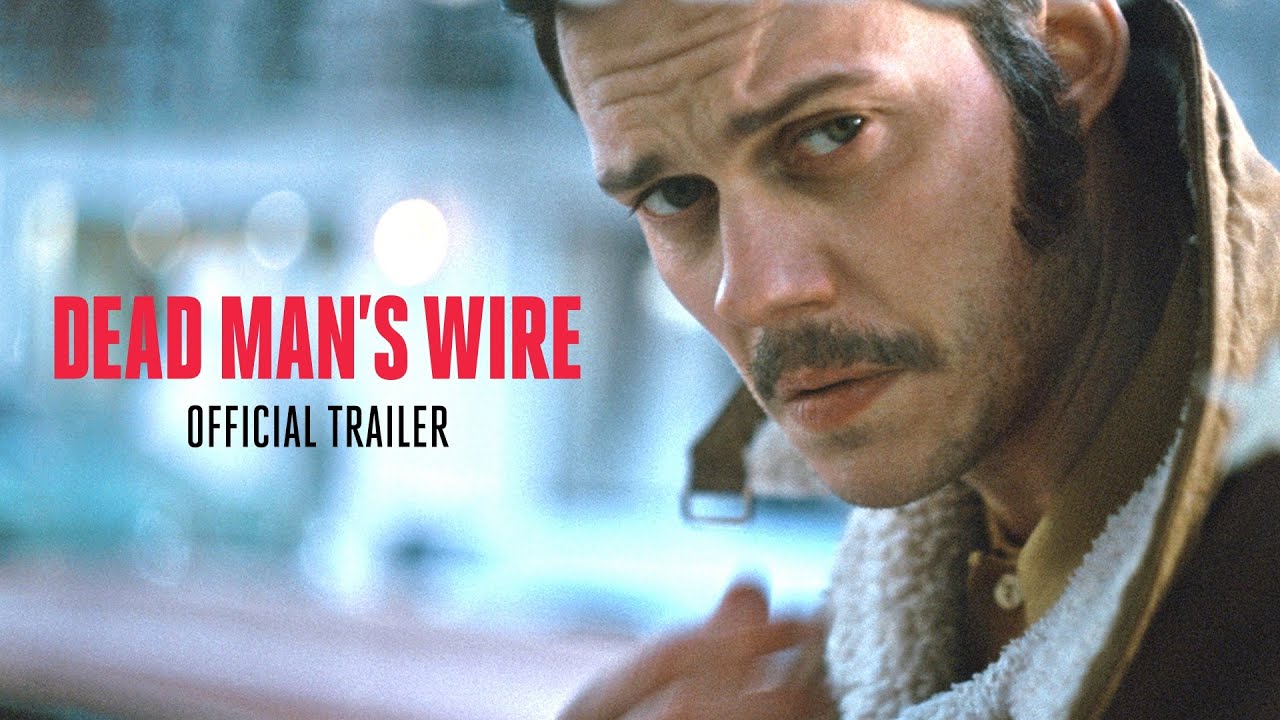
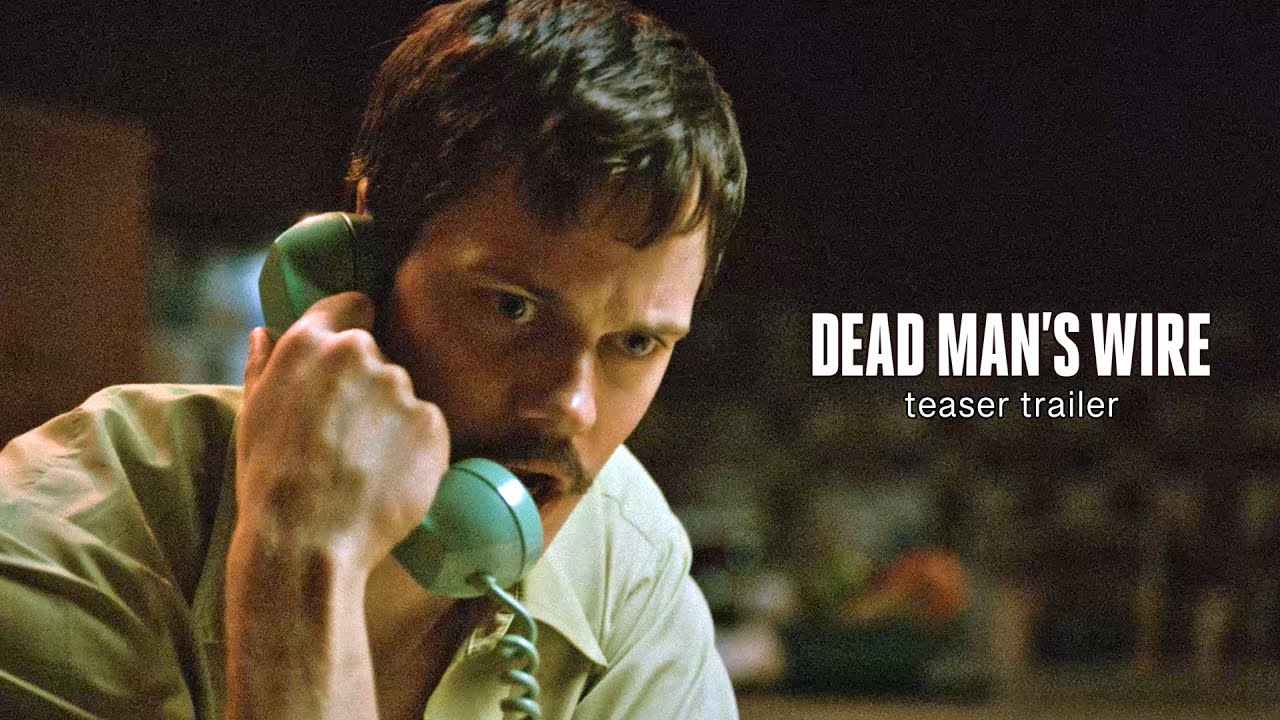
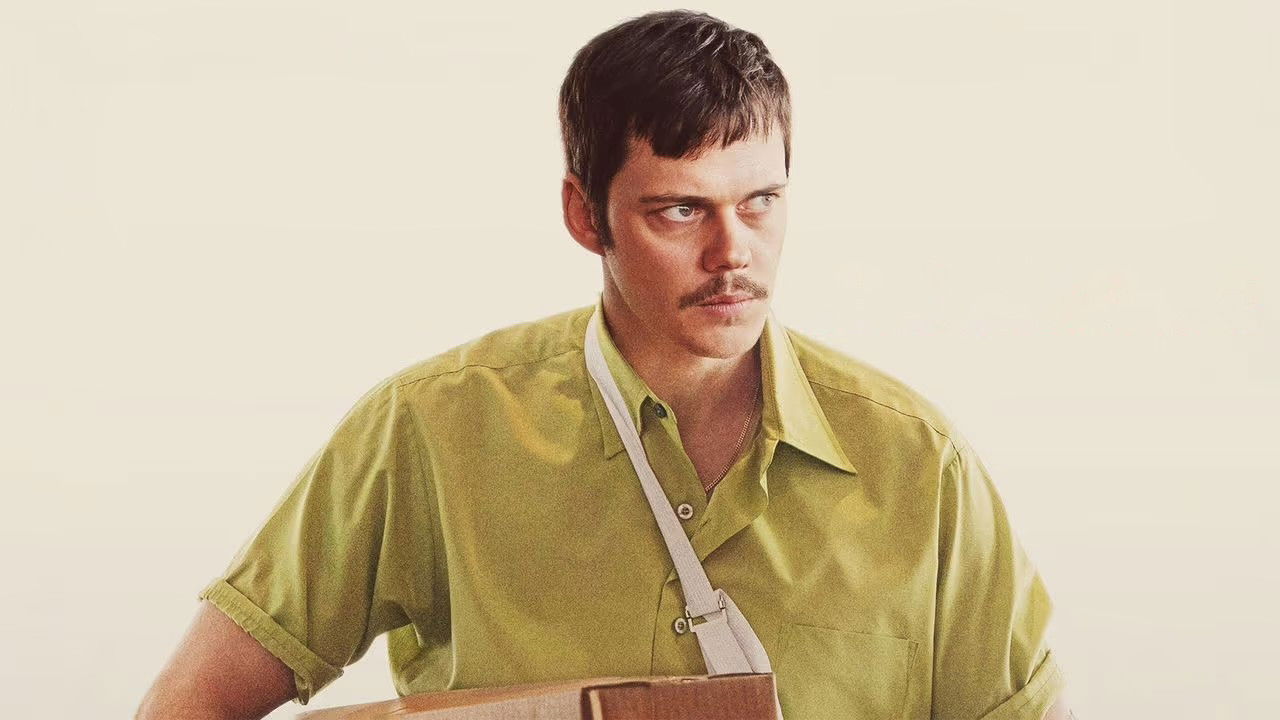
Bill Skarsgård carries this film with the kind of committed performance that reminds you why he matters as an actor. Playing Tony Kiritsis, a man driven to desperate action by financial betrayal, Skarsgård inhabits a character who could easily become a caricature in less careful hands. Instead, he creates someone achingly human—vulnerable but dangerous, sympathetic yet terrifying. The supporting cast, including Dacre Montgomery and Cary Elwes, fill out this world with precision. There’s a chemistry here that suggests Van Sant spent real time building the emotional foundation before cameras rolled. This isn’t a thriller that relies on cheap scares or manipulation. It earns its tension through character work and the slow-burn inevitability of watching someone reach their breaking point.
What makes Dead Man’s Wire particularly significant is its brisk 1 hour 45 minute runtime. In an era of bloated streaming productions and self-indulgent three-hour dramas, Van Sant’s restraint feels almost radical. Every scene serves a purpose. The pacing never wavers. There’s a classical efficiency to the storytelling that suggests a filmmaker absolutely certain of his vision, unwilling to waste a single frame. This economy of storytelling is something younger filmmakers could study—how to say everything you need to say without unnecessary flourish.
The film’s tagline, “His revolution was televised,” hints at something deeper than a simple crime thriller. This is about spectacle, media, and how modern society processes violence and desperation. Van Sant appears to be interrogating the ways we consume real tragedy, the line between documentation and exploitation. That’s a conversation worth having, especially in 2025, when the line between livestreamed events and curated entertainment has become dangerously blurred. The film takes the 1978 Kiritsis hostage incident and uses it as a lens to examine contemporary anxieties about trust, institutions, and visibility.
Despite the festival recognition and critical attention—the Venice premiere was just the beginning, with subsequent screenings at TIFF proving equally resonant—Dead Man’s Wire remains underrated in broader cultural conversation. The box office figures remain unknown, and the ratings haven’t yet calcified into anything definitive, which is interesting. This is a film still in conversation with itself and its audiences. That openness, that refusal to be pinned down, feels very much in keeping with Van Sant’s approach. He’s never been interested in reassuring audiences. He wants to provoke thought, to make you sit with discomfort.
What ultimately makes Dead Man’s Wire matter is that it trusts its audience. Van Sant doesn’t explain everything or tie up loose threads with tidy resolutions. The film operates in moral ambiguity, asking us to understand a sympathetic character who commits terrible acts. That’s difficult work. It requires actors willing to be fully present in contradiction, a director willing to hold space for complexity, and audiences brave enough to resist easy judgments. In a cinema increasingly dominated by franchise certainty and algorithmic comfort, that kind of artistic risk feels genuinely vital.