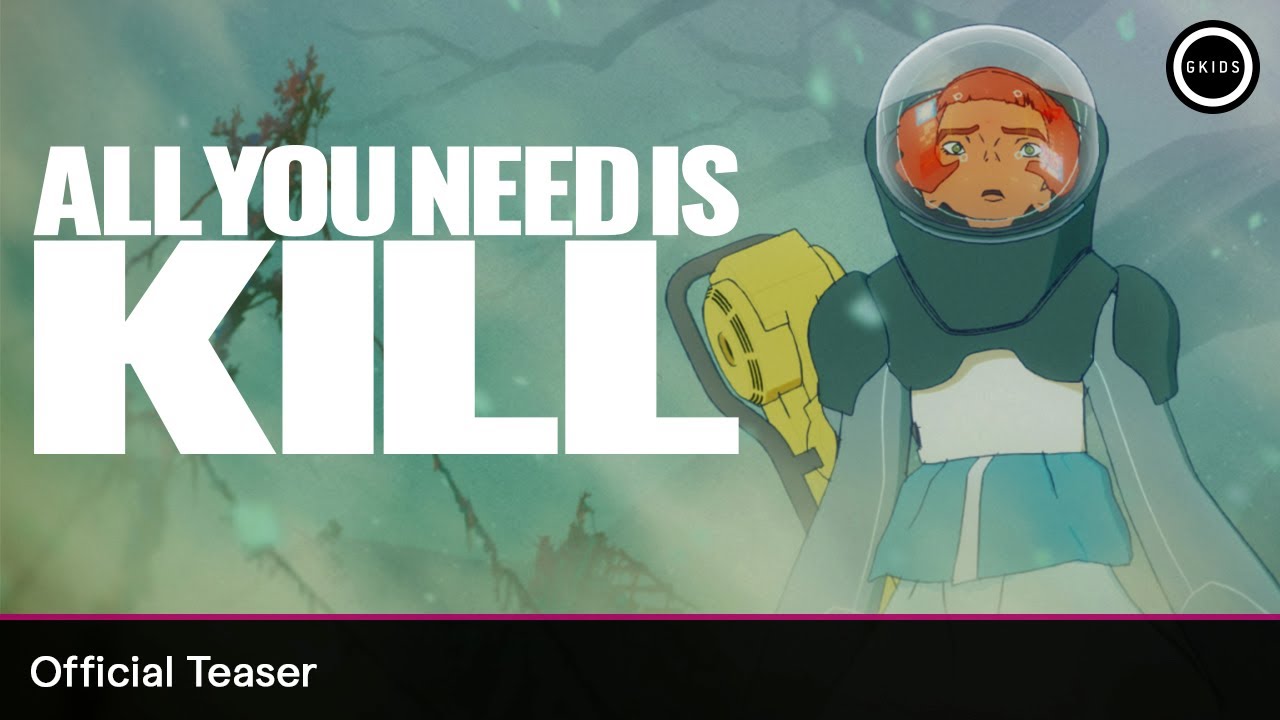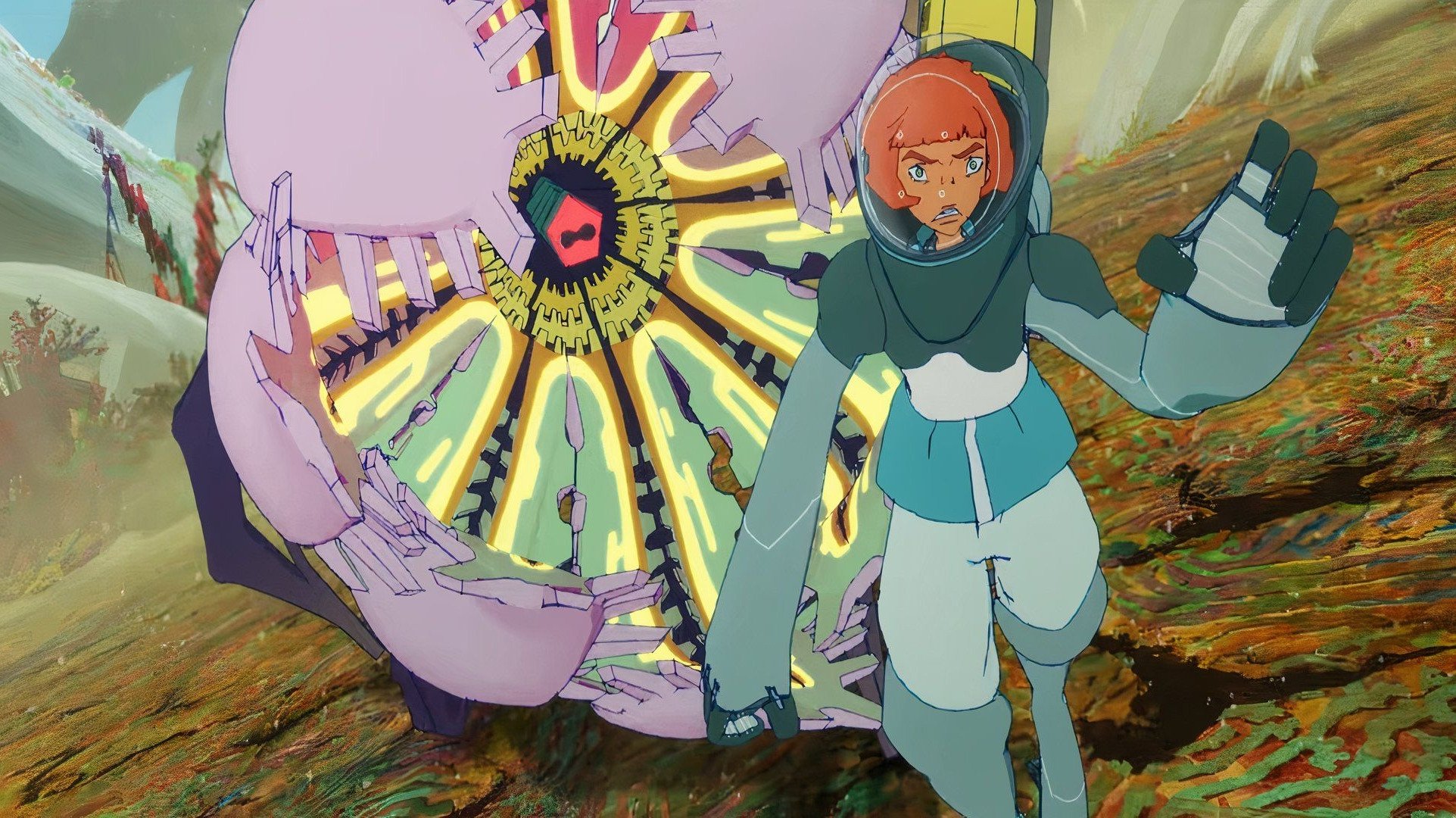
When you first hear about “All You Need Is Kill,” you’re probably thinking of Tom Cruise and that whole “Edge of Tomorrow” thing from 2014. But here’s where it gets interesting—this 2026 anime adaptation from Studio4℃ and director Kenichiro Akimoto isn’t trying to compete with that film or copy what it did. Instead, it’s a completely different conversation about the same source material, one that proves the original novel has so much more to say than anyone realized. In just 82 minutes, Akimoto manages to distill a deeply philosophical story about repetition, exhaustion, and the cost of survival into something that feels both intimate and epic.
What makes this adaptation significant is how it embraces what animation can do that live-action simply cannot. The time loop premise—where Rita finds herself reliving the same day during an alien plant invasion—becomes something more meditative here. Rather than pumping up the action spectacle, Akimoto lets the repetition breathe. There’s a quietness to how the film explores Rita’s psychological deterioration, her repeated deaths, and the grinding exhaustion of being trapped in an endless cycle. The shorter runtime actually works in its favor; it refuses to overstay its welcome, respecting the viewer’s own fatigue as Rita’s burden becomes increasingly unbearable.
The voice cast deserves serious credit for pulling this off. Ai Mikami, Natsuki Hanae, and Kana Hanazawa create characters that feel worn down in ways dialogue alone can’t convey. There’s a chemistry between them that suggests a history beyond what we see on screen, which is exactly what a time loop story needs. When Rita keeps meeting these same people across countless resets, the voice performances carry the weight of that accumulated experience. You hear the resignation building in their delivery across scenes that structurally might look repetitive but feel emotionally distinct because of how the cast modulates their work.
What’s particularly interesting about this film’s reception is how it exists in this strange critical space right now. The ratings are still catching up to it—it’s essentially untouched by the broader critical consensus yet—but that actually positions it as a discovery. There’s something refreshing about a film that hasn’t been picked apart by discourse yet, one that viewers are still forming genuine opinions about in real time. The film didn’t need massive box office numbers or universal critical acclaim to matter; it’s already mattering in how it challenges what we expect from anime science fiction.
Kenichiro Akimoto’s direction here shows a filmmaker interested in restraint and implication rather than explanation. He trusts his audience to understand what’s happening psychologically without spelling it out. The alien invasion backdrop is almost secondary to the internal collapse happening to Rita. That’s a bold choice in a genre that often leans toward spectacle, and it’s exactly why this film is worth taking seriously. It’s asking different questions than the live-action film asked, even if they’re using the same material.
The film’s legacy will likely be defined by how it influences the next wave of time loop narratives in anime. By proving that you don’t need to make the concept “cool” or action-heavy to make it compelling, Akimoto has essentially given other filmmakers permission to do something more introspective with the concept. In a year packed with ambitious anime projects, “All You Need Is Kill” stands out precisely because it’s the quietest one, the one that understands that sometimes the most devastating science fiction stories are about what repetition does to the human spirit rather than about defeating aliens.







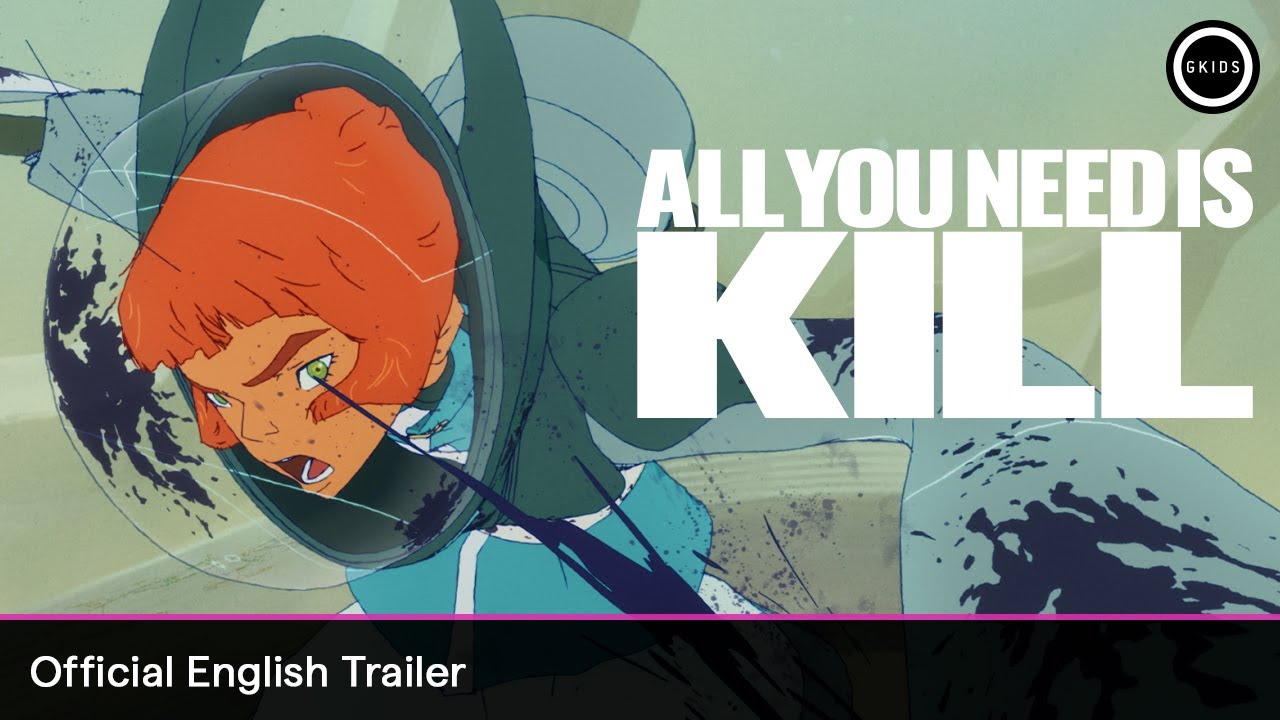
![Official Trailer [Subtitled]](https://img.youtube.com/vi/Cw3SRSOGWYw/maxresdefault.jpg)