When Doug Liman’s “Edge of Tomorrow” hit theaters in 2014, it arrived at a particular moment in blockbuster filmmaking when audiences were hungry for something that felt genuinely inventive. This wasn’t a franchise entry or a sequel riding on nostalgia. Instead, it was an original science fiction concept executed with precision and style, and that alone made it feel like an event. Liman, who’d previously brought that kinetic energy to “Mr. and Mrs. Smith” and “The Bourne Identity,” understood how to balance spectacle with character work. The result was a film that managed to be both a massive, $178 million production and an intimate story about two people learning to trust each other across repeated timelines.
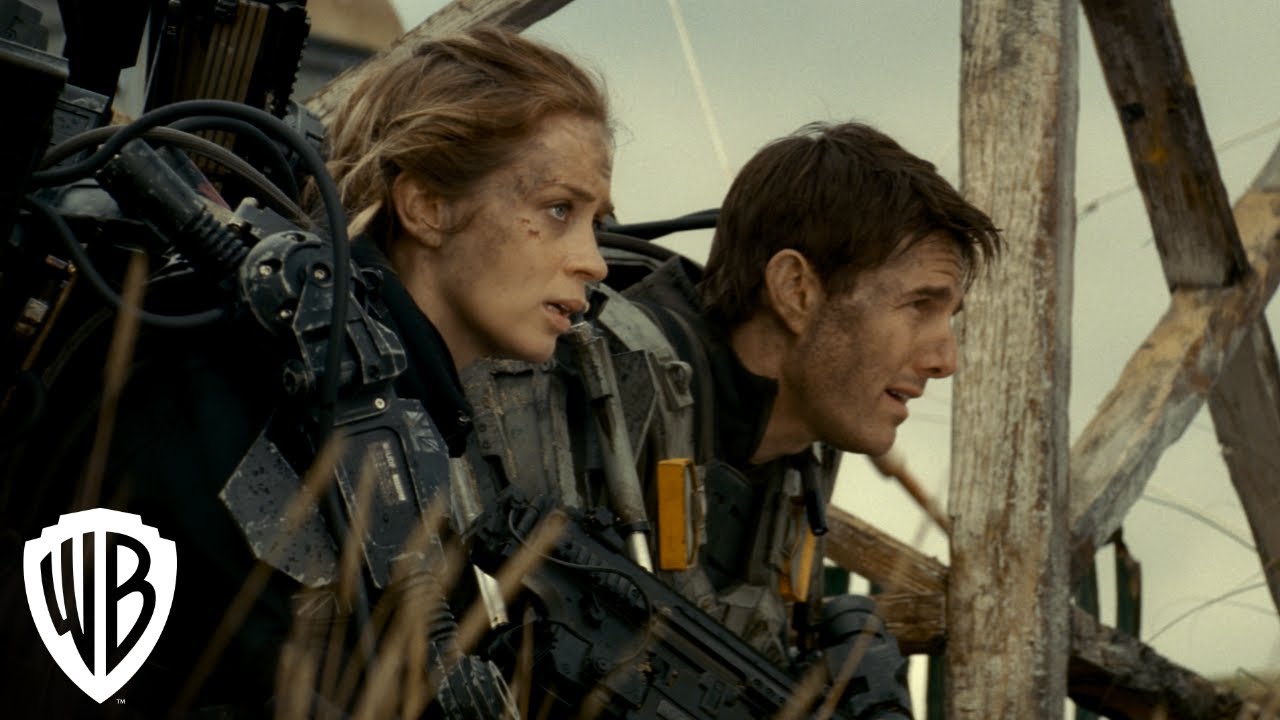
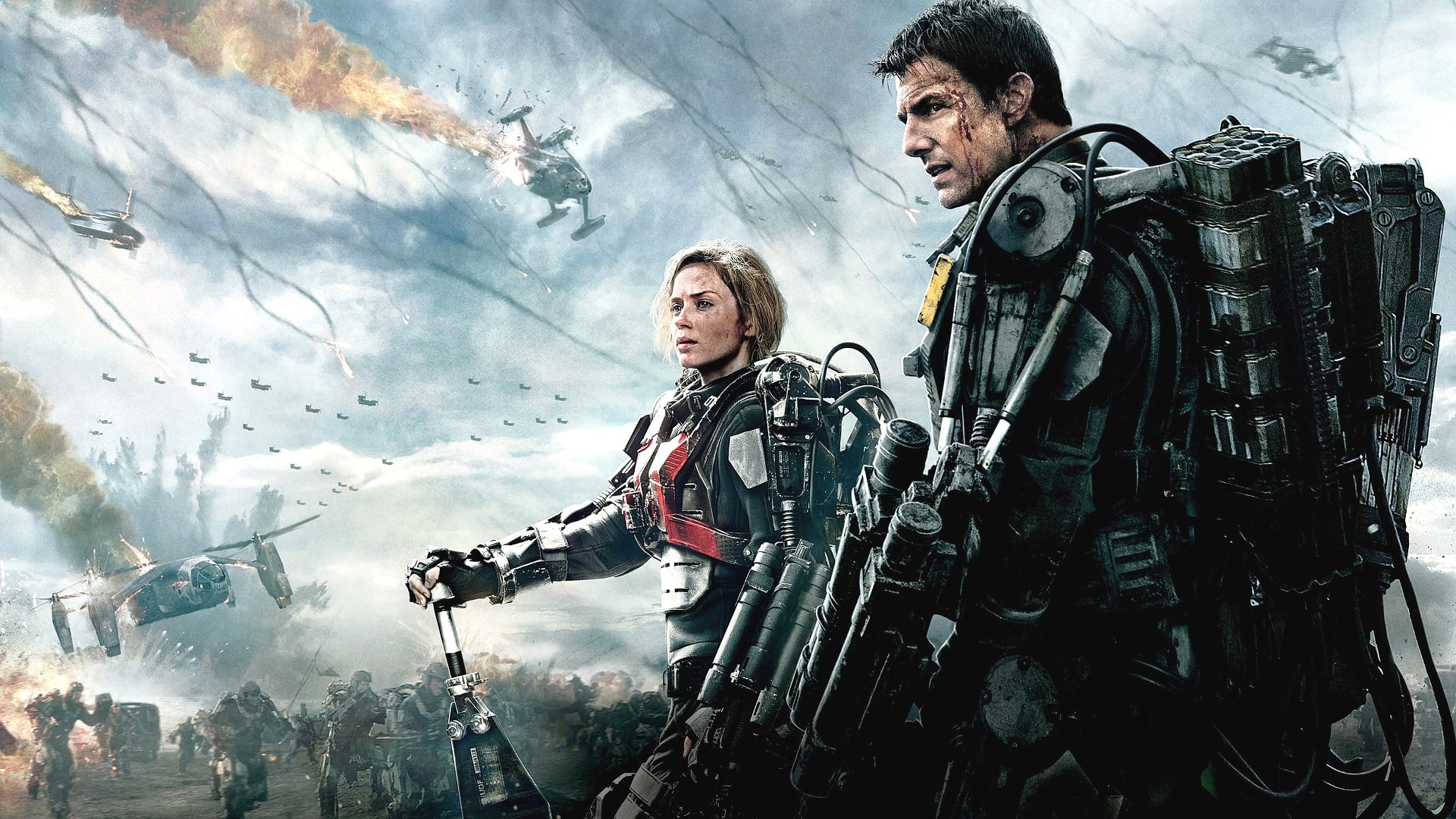
The premise itself, adapted from Hiroshi Sakurazaka’s light novel, could have been gimmicky in less capable hands. Tom Cruise plays Major William Cage, a military officer trapped in a time loop where he relives the same day of an alien invasion until he can figure out how to stop it. Emily Blunt, as Sergeant Rita Vrataski, becomes his guide through this nightmare, and their chemistry becomes the emotional core that gives the whole film weight. What’s remarkable is how Liman and his cast use the repetition not just for action sequences but for genuine character development.
The script, penned by Christopher McQuarrie, knows exactly when to repeat moments for comedic effect and when to use them for poignancy. Cruise and Blunt understood the assignment completely, with Cruise playing the dawning horror and then grim determination of someone reliving the worst day of their life over and over, while Blunt provided a warrior’s weariness that suggested she’d been doing this far longer than anyone should have to.
The box office numbers tell an interesting story about how audiences responded. Despite its substantial budget, the film more than doubled its investment internationally, pulling in over $370 million worldwide. That kind of performance for an original IP in a landscape dominated by franchises proved something important: audiences will show up for a smart action film if it’s executed well. The film opened in 63 countries simultaneously, and while it wasn’t the absolute juggernaut that some tent-pole releases become, its staying power was impressive. It held strong in markets from South Korea to Russia, suggesting that the time loop concept and the promise of sustained action and genuine character work translated across cultural boundaries.
What makes “Edge of Tomorrow” endure is something that the 7.6 rating doesn’t quite capture in isolation. Critical reception was solidly positive without being ecstatic, but audience responses have only warmed with time. The film has become something of a textbook example of how to execute science fiction action cinema. Within its lean 114-minute runtime, it manages to explain complex concepts without becoming bogged down in exposition, deliver some genuinely exciting set pieces, and maintain emotional stakes throughout. The alien design work, the battle sequences, and the production design all feel cohesive and real in a way that matters.
Brendan Gleeson’s presence as the general commanding Cruise’s character grounds everything in military reality, providing the kind of supporting performance that elevates the entire enterprise. The supporting cast understands they’re in a film about momentum and precision. Even smaller roles carry weight. Liman’s direction keeps everything moving with purpose, never letting the concept overshadow character, never letting character slow down the spectacle.
The film’s legacy has become clearer in retrospect. It influenced how subsequent filmmakers approached time loops and repetitive narrative structures in science fiction. More importantly, it proved that Tom Cruise, even at the peak of his institutional power in Hollywood, could embrace a project where he played someone genuinely vulnerable and out of his depth. The film remains a masterclass in how to make a big-budget action film that respects both spectacle and story. It’s become the kind of movie people recommend to others specifically because it works on so many levels simultaneously, which might be the best legacy any film can have.